
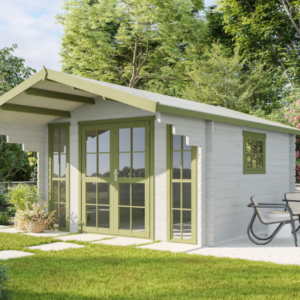
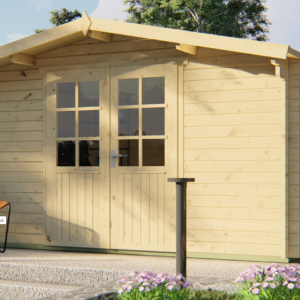
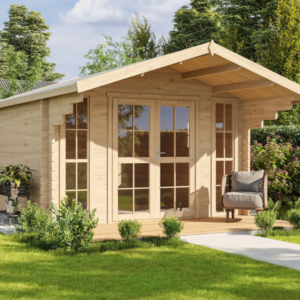
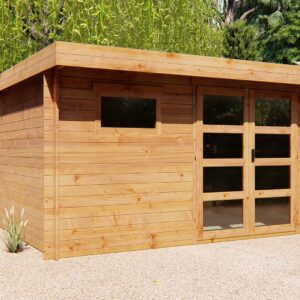
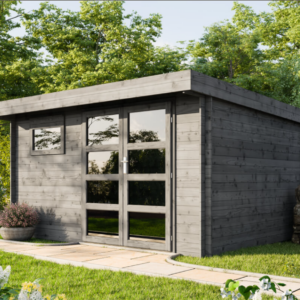
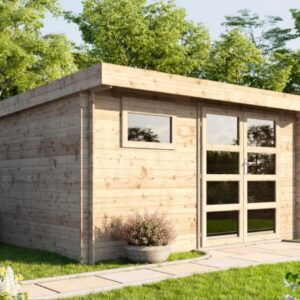
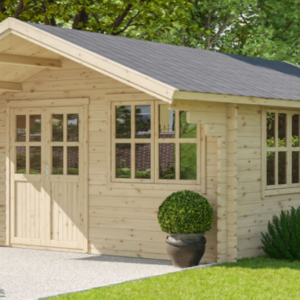
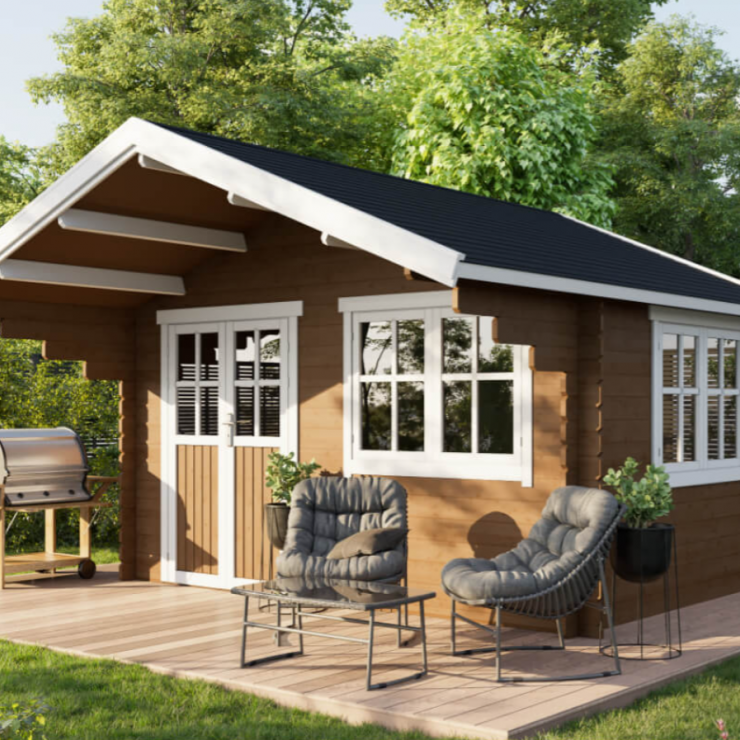
Premium Log Cabins and Garden Rooms in Ireland
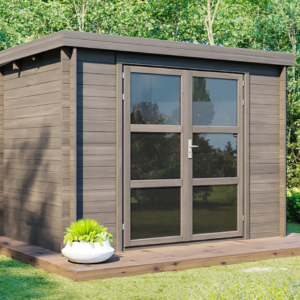
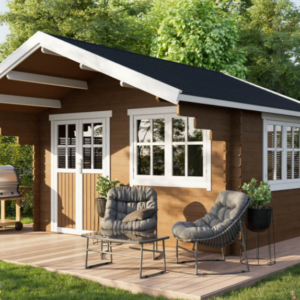
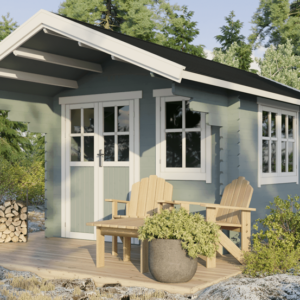
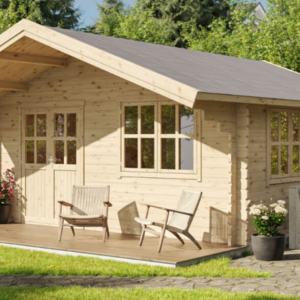
Ireland’s landscape is dotted with homes that range from classic stone farmhouses to modern suburban dwellings, but an increasing number of homeowners now look for that special balance between natural beauty and functional design. Custom log cabins and garden rooms, crafted from premium Nordic timber, have become an inspired solution for those seeking extra space, a home office, or a stylish retreat right on their own property. Today’s Irish property owners no longer settle for assembly line sheds or mass market garden rooms instead, discerning clients are choosing bespoke timber buildings that echo the natural character found in Ireland’s woodlands and rural environments while offering superior energy efficiency and comfort.
This movement towards custom timber buildings reflects more than a design trend: it is deeply rooted in the Irish preference for solid craftsmanship, longevity, and practical adaptation to unpredictable weather. Each cabin or garden room is designed not only for appearance but for long term use, marrying beautiful Scandinavian timber with rigorous installation standards. Whether on the edge of a rural Munster townland, tucked behind a Georgian townhouse in a Leinster suburb, or set among mature gardens in the west, these structures are tailored to the rhythms and needs of their surroundings.
Architectural Character and Garden Living Across Ireland
Irish towns and countryside hold a rich tapestry of settlement patterns, from medieval market squares and 19th century terraces to modern estate layouts and rural clusters. The evolution of residential gardens over the centuries once functional plots for vegetables and livestock, now tranquil outdoor living spaces is part of what makes Irish living so distinctive. Garden buildings, historically used for storage or basic shelter, have now become expressive, multi functional features that echo the vernacular tradition while serving modern purposes.
Within these evolving garden landscapes, a professionally designed timber cabin or insulated garden room bridges heritage and innovation. Whether your home overlooks long green fields in the Midlands or is positioned on a narrow suburban plot in the east, the garden is transformed into a true extension of Irish indoor outdoor life. These custom timber buildings respect Ireland’s patchwork of land divisions, fitting harmoniously into both winding townland boundaries and newer housing estates. Each project draws inspiration from the local architectural DNA, whether it’s the classic proportions of old Irish cottages, the pitched roofs typical of Victorian villas, or the practical layouts shaped by generations of adaptation to the Irish climate.
Premium Nordic Timber Craftsmanship and Structural Quality
Selecting only slow grown Nordic spruce, every log cabin and insulated garden room is engineered for strength, insulation, and appearance. The denser fibre structure of this timber ensures walls hold tight against the damp, wind, and seasonal fluctuations found throughout Ireland. Wall logs whether single skin, double skin with insulation cavities, or reinforced for all year use interlock for superior rigidity and longevity, resisting both twisting and gaps that can emerge in lesser spec structures.
Window and door joinery, constructed to current energy standards, provide ample natural light while holding warmth in through double glazing and precision fitting frames. Roofs and floors receive the same meticulous attention, with rigid PIR insulation boards laid between joists, resisting moisture and maintaining the building’s comfort even in winter. Each detail, from the surface preservation finish to the robust base timbers, is chosen for resilience in the face of Irish rain and wind. For the discerning homeowner, this means a stylish retreat that feels as solid and weather tight after a decade as it did on day one.
Ground Level Logistics, Site Access, and Installation in Ireland
Ireland’s mosaic of property types from remote townlands reached by winding boreens to older homes on narrow urban plots shapes every installation. Thoughtful site assessment is crucial, whether navigating a mature suburban garden with restricted rear access, traversing tight side passages on a 20th century residential street, or manoeuvring through stone gateway pillars in rural areas. The modular nature of bespoke timber cabins and garden rooms allows for flexible delivery and assembly, often with the aid of compact crane vehicles or, where required, careful manual handling.
Eircode precise planning ensures teams arrive prepared for local conditions, from damp ground in low lying areas to sloped back lawns in more elevated settings. Each site is assessed for orientation (to maximise light), straightforward access (for the safety of installers and protection of landscaping), and base suitability. The result is a seamless, tidy build process that causes minimal disruption to the garden and household while delivering a secure, perfectly fitted timber building that complements the site’s character.
Versatile Garden Building Uses: From Home Offices to Living Annexes
The shift towards remote working and multipurpose living in recent years has highlighted the need for adaptable, private spaces that do not sacrifice residential comfort. In Ireland, this often translates into creating detached home offices away from the main house, light filled art studios overlooking lawns, or guest annexes ideal for visiting family. A high spec timber garden room provides year round usability, insulated from the elements and acoustically sheltered, making it easy to focus on work or unwind at day’s end.
Other popular uses include teenagers’ dens, music rooms, hobby sheds, or even beautifully appointed garden bars each tailored to fit the lifestyle and aspirations of the homeowner and their garden’s shape. The flexibility of design, with custom window placements, partition walls, veranda options, and integrated storage, ensures the final building enhances daily living and increases the value and utility of Irish homes, whether on a village edge or in a leafy suburb.
Year Round Insulation, Weatherproofing, and Base Preparation
Ireland’s climate demands more than just a sturdy wall it requires strategic insulation and moisture control for buildings to perform year after year. Each structure starts with a solid base, typically a level concrete slab or fully framed pier foundation, correctly prepared to guard against water ingress even in periods of heavy rain. Floor slabs are insulated beneath high quality tongue and groove boards, while roofs are fitted with rigid insulation, sealed against draughts from the unpredictable Irish wind.
Timber walls, pressure treated against fungal and insect attack, are further protected by breathable, weather resistant finishes. Double glazing and secure weather stripping prevent both heat loss and excessive summer heat gain, providing a comfortable interior whatever the season. For gardens in particularly exposed locations such as coastal or upland sites additional upgrades in wall thickness and exterior treatments can be specified, ensuring every cabin is ready for long Irish winters and mild, wet summers alike.
Designing and Ordering Your Custom Timber Building in Ireland
The process of realising a bespoke log cabin or insulated garden room begins with a collaborative design consultation, taking into account your site’s dimensions, orientation, and garden features. Drawings are tailored to suit both your vision and practical requirements whether that means extra head height for shelving, floor to ceiling glass for a sunroom, or a simple yet robust annex for storage or overflow accommodation.
From order to completion, every detail is coordinated for clarity and convenience. Site surveys confirm access and foundations, with transparent scheduling for each stage from delivery to final assembly. Experienced Irish carpenters handle the entire build sequence, ensuring that your new timber building integrates seamlessly with its surroundings. After final fit out, the result is a garden room or log cabin that perfectly serves your present needs with the durability and flexibility to adapt as your family or lifestyle evolves in the years ahead.