
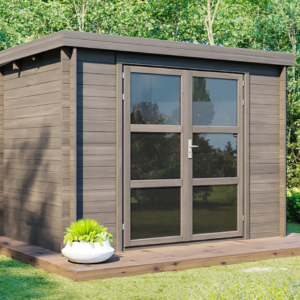
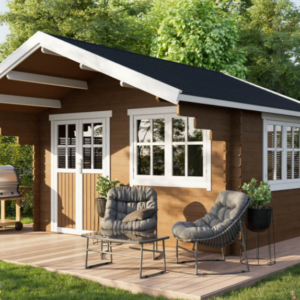
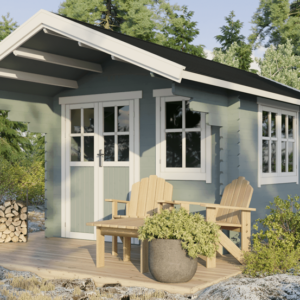
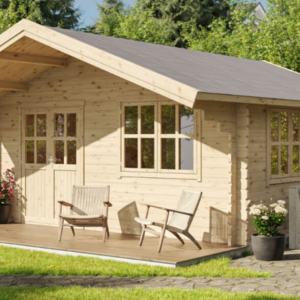
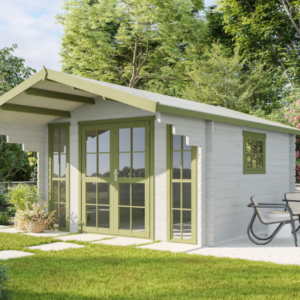
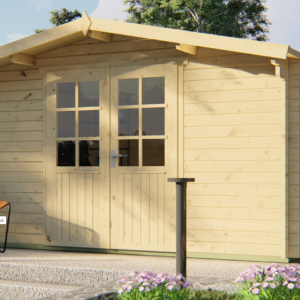
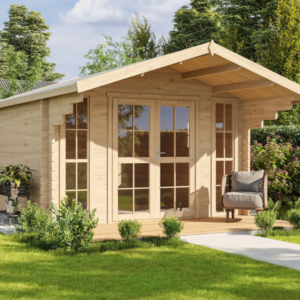
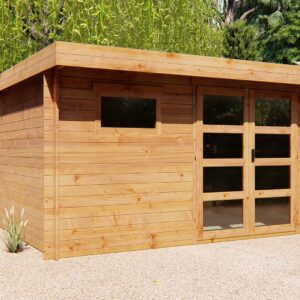
Dreaming of owning a charming log house nestled amidst the rolling green hills of Ireland? The allure of a timber home is undeniable, evoking images of cozy firesides, natural beauty, and a slower pace of life. However, the practical question often arises: what are the log houses Ireland prices you can expect? This comprehensive guide will delve deep into the factors influencing the cost of log homes in Ireland, offering insights into budget considerations, design choices, and the overall investment involved. We aim to demystify the pricing structure and equip you with the knowledge to make informed decisions on your journey towards owning a piece of Irish tranquility.
Understanding the Core Costs of Log Houses in Ireland
The price of a log house in Ireland is not a single, fixed figure but rather a complex equation influenced by numerous variables. At its most fundamental level, the cost is determined by the size and design complexity of the structure. Larger homes naturally require more materials and labor, leading to higher overall expenses. Similarly, intricate architectural features, multiple stories, or uniquely shaped rooms can add significant costs compared to simpler, more traditional designs. It’s crucial to start with a clear understanding of your desired square footage and the aesthetic you wish to achieve.
The type of timber used is another paramount factor impacting log house prices in Ireland. Different wood species possess varying characteristics in terms of durability, insulation properties, aesthetic appeal, and, consequently, cost. More exotic or premium woods, while offering superior longevity and visual richness, will command a higher price point than commonly available domestic options. The sourcing and sustainability of the timber also play a role, with ethically harvested and certified wood often reflecting a slightly higher investment. Understanding these distinctions will help you balance your budget with your desire for quality and longevity.
The level of finish and customization you opt for will significantly impact the final price of your Irish log house. This encompasses everything from the interior fittings and fixtures to the exterior treatments and landscaping. High-end kitchens, bespoke bathrooms, premium flooring, and intricate joinery will naturally elevate the cost. Likewise, extensive landscaping, decking, or unique exterior finishes will add to the overall expenditure. It’s important to distinguish between the basic shell of the log house and the fully-fitted, move-in-ready dwelling, as these can represent vastly different investment levels.
Factors Influencing Log House Ireland Prices: A Deeper Dive
Size and Square Footage: The Foundation of Cost
The most direct correlation to log house Ireland prices is the sheer size of the property. A compact, one-bedroom cabin will naturally be considerably less expensive than a sprawling, four-bedroom family residence. When budgeting, it’s essential to accurately determine your needs in terms of living space, number of rooms, and overall footprint. Don’t underestimate the importance of future needs; a slightly larger initial investment can often prove more cost-effective in the long run than a costly extension down the line.
Consider the usability of the space as well as the raw square footage. Open-plan living areas might appear larger but can sometimes be more complex to construct and heat efficiently compared to more compartmentalized layouts. Conversely, well-designed smaller spaces can feel surprisingly capacious. When discussing your project with potential builders, be prepared to provide a detailed breakdown of your desired room sizes and their intended functions to get the most accurate pricing estimates.
Timber Selection: Quality and Cost Considerations
Ireland’s temperate climate lends itself well to a variety of timber species, but their availability and cost can differ. Pine and spruce are often the most budget-friendly options, readily available and offering good insulation properties. These are excellent choices for those seeking a classic log home aesthetic without breaking the bank. Their natural beauty can be enhanced with various stains and finishes, offering a wide range of stylistic possibilities.
For those prioritizing enhanced durability and a richer, more rustic appearance, hardwoods like oak or even some imported softwoods might be considered. While these will invariably increase the initial price, they can offer superior resistance to weathering, pests, and the passage of time, potentially reducing long-term maintenance costs. The environmental impact of timber sourcing is also becoming increasingly important, with certified sustainable timber often carrying a premium but offering peace of mind.
Design Complexity and Customization: Tailoring Your Dream
The more unique and intricate your design, the higher the log house Ireland prices are likely to be. Standardized kits or pre-designed models tend to be more cost-effective as they streamline the manufacturing and construction process. Bespoke designs, allowing for complete freedom in layout, room shapes, and architectural flourishes, will require more time from designers and craftspeople, thus increasing labor costs.
Think about elements like rooflines, window placements, and the complexity of the foundation. A simple gable roof is more straightforward and cheaper to build than a complex hip roof with dormer windows. Similarly, the number and size of windows will impact both material costs and the thermal efficiency of the home. Balancing your aesthetic desires with practical construction considerations is key to managing costs effectively.
Foundation and Site Preparation: The Hidden Costs
It’s crucial to remember that the quoted price for a log house often refers to the structure itself, and not necessarily the complete build on your chosen site. Site preparation, including clearing land, excavation, and drainage, can add significant expenses, especially on sloping or challenging terrain. The type of foundation required will also vary depending on soil conditions and the size of the log house, with concrete slab foundations being common but sometimes requiring more extensive groundwork.
Furthermore, utility connections – water, electricity, and sewage – can represent a substantial cost, particularly if your plot is remote. Factor in the expense of any necessary groundworks, such as installing a septic tank or connecting to a mains sewer system. Obtaining the necessary planning permissions and building regulations compliance will also involve associated fees. It’s wise to get a detailed site assessment from your chosen builder early in the process to accurately estimate these essential but often overlooked expenses.
Labor and Construction: The Human Element
The cost of skilled labor in Ireland is a significant component of any construction project, and log homes are no exception. Experienced log builders possess specialized skills in handling and assembling timber structures, and their expertise commands a fair price. The complexity of the design and the remoteness of the build site can also influence labor costs, with more challenging locations sometimes requiring additional travel time and accommodation expenses for the construction crew.
Consider whether you are opting for a full turnkey service, where the builder handles everything from foundation to finishing, or a self-build approach where you manage various trades. A turnkey solution offers convenience and often a fixed price, but a self-build can potentially save money if you have the time, knowledge, and connections to manage the project effectively. It’s essential to get multiple quotes from reputable builders and thoroughly vet their experience with log home construction.
Interior and Exterior Finishes: The Personal Touches
The interior finishes are where your log house truly comes to life, and they offer a wide spectrum of pricing possibilities. From basic plasterboard and painted walls to exposed timber interiors with intricate wood panelling, the choices are vast. The type of flooring, from simple laminate to hardwood or natural stone, will also contribute to the overall cost. High-quality kitchens and bathrooms, with their bespoke cabinetry, countertops, and fixtures, can represent a significant portion of the interior budget.
Externally, the choices for roofing materials, window styles, and exterior treatments for the logs themselves will also influence the price. While the natural beauty of the logs is often a primary draw, various stains, sealants, and protective coatings can enhance their longevity and aesthetic appeal. Landscaping, patios, decking, and external lighting are further elements that contribute to the overall cost of creating a complete and inviting living space. Carefully consider your priorities and allocate your budget accordingly to achieve the desired look and feel.
Navigating the Market: Finding Affordable Log Houses in Ireland
The DIY vs. Kit Home Debate
For those with a more hands-on approach and a willingness to invest their time, a DIY log house project can offer significant cost savings. This might involve purchasing a complete log cabin kit and assembling it yourself or with the help of friends and family. While this approach requires considerable skill, physical effort, and project management, it can be a rewarding and budget-friendly path to log home ownership.
Alternatively, a middle ground involves purchasing a pre-designed log home kit from a reputable supplier. These kits come with all the necessary timber elements pre-cut and ready for assembly, often accompanied by detailed instructions. While this still requires significant labor, it removes the need for custom timber milling and reduces potential errors, making it a more manageable option for many aspiring log home owners.
Comparing Quotes and Suppliers
When seeking log houses Ireland prices, obtaining multiple, detailed quotes from different suppliers and builders is paramount. Don’t settle for a single estimate; compare apples to apples, ensuring each quote includes the same specifications, materials, and services. Be wary of prices that seem too good to be true, as they may indicate compromises in quality or hidden extras down the line. Thoroughly research the reputation and track record of each potential supplier and builder before making any commitments.
Requesting references and looking at past projects can provide valuable insights into the quality of their work and their customer service. A well-established company with a proven history of successful log home builds will offer greater peace of mind. Don’t hesitate to ask detailed questions about their construction methods, warranty provisions, and any potential additional costs that might arise during the build process.
The Role of Planning Permission and Regulations
Navigating the planning permission process in Ireland is an essential step and can influence the overall cost and timeline of your log house project. Local authorities will have specific requirements and regulations regarding building materials, environmental impact, and aesthetic integration with the surrounding landscape. Understanding these requirements early on can prevent costly redesigns or delays. It’s advisable to consult with a planning consultant or an architect experienced in log home construction to ensure your plans meet all necessary criteria.
Building regulations are also in place to ensure the safety, structural integrity, and energy efficiency of your home. This includes standards for insulation, ventilation, fire safety, and structural soundness. While adhering to these regulations adds to the initial cost, it is a non-negotiable aspect of responsible home building and ensures the long-term safety and value of your property. Factor in the costs associated with compliance, including inspections and necessary certifications.
The Long-Term Value of Investing in a Log House
While the initial log houses Ireland prices might seem substantial, it’s important to consider the long-term value and benefits of owning a timber home. Log houses are renowned for their natural insulation properties, which can lead to significant savings on heating bills, especially during the colder months. The inherent thermal mass of the timber helps regulate indoor temperatures, providing a comfortable and consistent living environment throughout the year. This natural efficiency contributes to lower energy consumption and a reduced carbon footprint.
Beyond the financial savings, log houses offer a unique aesthetic and a connection to nature that is increasingly sought after. The natural warmth and beauty of exposed timber create a welcoming and organic atmosphere, promoting a sense of well-being and tranquility. The durability and longevity of well-maintained log homes also contribute to their long-term value, making them a sound investment for the future. With proper care and maintenance, a log house can be a cherished family home for generations.
In conclusion, understanding log houses Ireland prices involves a nuanced appreciation of various contributing factors, from the size and design of your dream home to the materials used and the labor involved. By conducting thorough research, obtaining detailed quotes, and carefully considering your priorities, you can navigate the market effectively and make informed decisions. The enduring charm, natural beauty, and potential for long-term value make a log house a truly worthwhile investment for those seeking a unique and idyllic Irish lifestyle.
“`