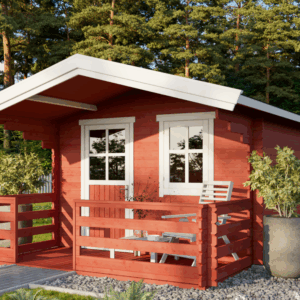
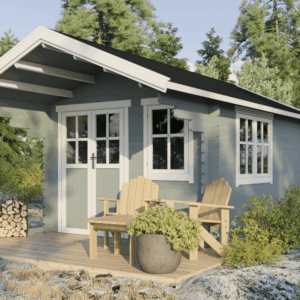
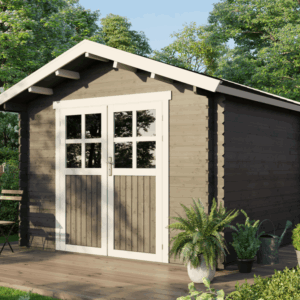
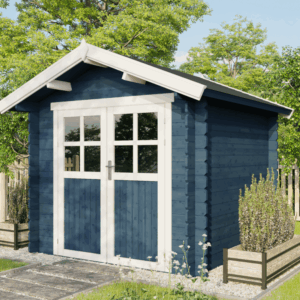
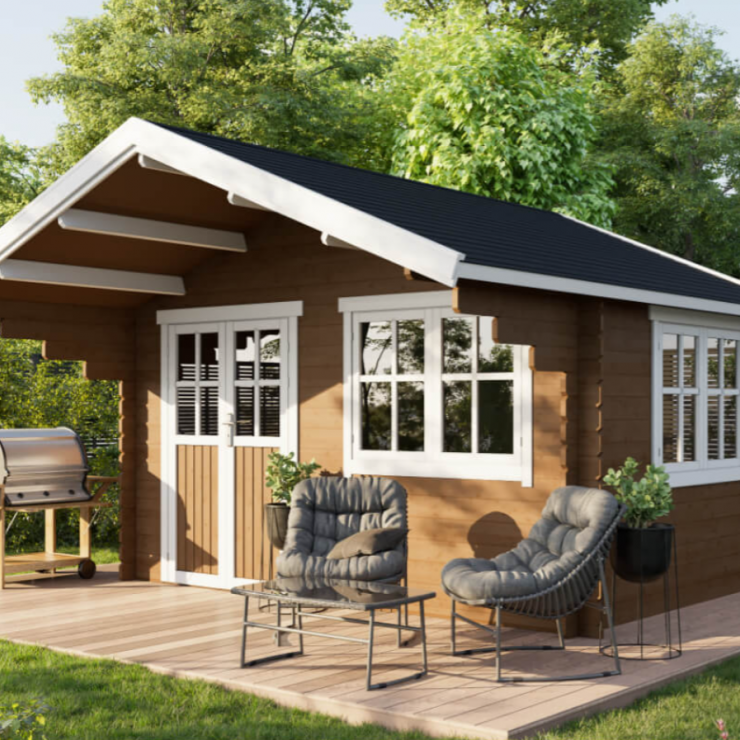
The allure of a log house in Ireland is undeniable, conjuring images of cozy evenings by a peat fire, the scent of pine filling the air, and a deep connection to nature. Far from being a relic of the past, log home construction is experiencing a resurgence, offering a sustainable, aesthetically pleasing, and remarkably durable housing solution. If you’ve ever found yourself captivated by the rustic charm and warmth of a timber dwelling, this comprehensive guide will walk you through the essential steps and considerations for building your dream log house on the Emerald Isle.
Ireland, with its verdant landscapes and rich history, provides a stunning backdrop for a log home. The inherent character of timber construction blends seamlessly with the natural beauty of the Irish countryside, creating a dwelling that feels both timeless and deeply rooted. Beyond aesthetics, log homes offer excellent thermal insulation, contributing to lower energy bills and a more comfortable living environment, a crucial factor given Ireland’s often unpredictable climate.
Embarking on the journey of building a log house is an exciting undertaking, but it requires careful planning, a thorough understanding of the process, and a commitment to quality. From initial design and planning permission to selecting the right timber and navigating construction, each stage plays a vital role in bringing your vision to life. This guide aims to demystify the process, providing you with the knowledge and confidence to build a log house that is not only beautiful but also built to last.
Understanding the Appeal: Why Build a Log House in Ireland?
The appeal of a log house extends far beyond its rustic good looks. These homes possess a unique character that resonates with a desire for authenticity and a connection to the natural world. The very act of living within walls of solid timber can evoke a sense of peace and groundedness, a welcome respite from the demands of modern life. This tactile experience of natural materials is a significant draw for many seeking a more harmonious living environment.
Environmentally, log homes often stand out as a sustainable choice. Timber is a renewable resource, and responsible forestry practices ensure that the impact on the environment is minimized. Furthermore, the natural thermal properties of logs can significantly reduce the need for artificial heating and cooling, leading to a smaller carbon footprint and lower energy costs over the lifespan of the home. This eco-conscious aspect is increasingly important for homeowners.
From a practical standpoint, well-constructed log homes are incredibly durable and resilient. With proper maintenance, they can last for centuries, becoming cherished family heirlooms. The natural insulating qualities of the logs mean that they can help regulate internal temperatures, keeping homes warm in winter and cool in summer. This inherent efficiency contributes to both comfort and cost savings.
Planning and Design: Laying the Foundation for Your Log Home
The first crucial step in building any home, including a log house, is meticulous planning and design. This involves not only envisioning the aesthetic you desire but also considering the practicalities of site selection, local regulations, and the specific demands of the Irish climate. Engaging with experienced architects and designers who specialize in timber construction is highly recommended to ensure your design is both beautiful and functional.
Site selection is paramount. Consider factors like orientation for sunlight, prevailing winds, drainage, and accessibility. A well-chosen site will enhance the natural beauty of your log home and contribute to its overall comfort and energy efficiency. The topography of the land will also influence the foundation requirements and the overall cost of construction.
Understanding and navigating the Irish planning permission process is essential. Local authorities have specific guidelines and regulations regarding new builds, and these can vary depending on the location. Consulting with a local planning consultant or your architect early in the process will help you anticipate requirements and avoid potential delays.
Choosing Your Log Style and Construction Method
There are several distinct styles of log house construction, each offering a unique aesthetic and set of advantages. The most common include full-scribe, chink-style, and timber-frame construction. Full-scribe homes feature tightly fitted, round logs stacked directly on top of each other, creating a seamless, natural look. Chink-style homes use squared or round logs with a gap between them, which is then filled with a sealant called chinking, offering a more rustic, handcrafted appearance.
Timber-frame construction, while not exclusively a log house, utilizes large, exposed timber beams as the structural framework, with other infill materials for walls. This method offers design flexibility and can incorporate log elements for a distinctive look. The choice of style will depend on your personal preference, budget, and the overall architectural vision for your home.
Furthermore, the type of wood used is critical. For log homes in Ireland, common choices include pine, spruce, and larch. Each species has its own characteristics in terms of durability, insulation properties, and aesthetic appeal. Larch, for instance, is renowned for its natural resistance to rot and insects, making it an excellent choice for external walls.
The Building Process: From Foundation to Finish
Once your plans are approved and your site is prepared, the actual construction of your log house begins. This is a multi-stage process that requires skilled craftsmanship and attention to detail at every turn. The foundation is the literal bedrock of your home, so its integrity is paramount.
The foundation for a log house is typically a concrete slab or a strip foundation, designed to support the significant weight of the timber structure. Proper drainage around the foundation is crucial to prevent moisture ingress, which can be a concern in Ireland’s damp climate. Ensuring the foundation is level and robust will set the stage for a stable and long-lasting home.
The erection of the log walls is where the magic truly begins to happen. Logs are carefully milled, often with tongue-and-groove systems, to ensure a tight fit. They are then stacked, often with a sealant or gasket material between them to create an airtight and watertight seal. This meticulous stacking process is a hallmark of quality log home construction.
Insulation and Weatherproofing: Battling the Irish Elements
Given Ireland’s temperate but often damp climate, effective insulation and weatherproofing are non-negotiable. The inherent thermal mass of logs provides a good starting point, but additional insulation is usually required to meet modern building standards. This can be achieved through various methods, including insulating the roof and floor, and sometimes by using a double-wall construction or internal insulation.
Sealing the logs is a critical step to prevent drafts and moisture ingress. This involves using specialized sealants and gaskets during construction, followed by the application of protective finishes. These finishes not only enhance the appearance of the logs but also act as a barrier against UV radiation and water damage, crucial for the longevity of your log home.
Ventilation is also a key consideration, particularly in a damp climate. Proper ventilation systems, such as those found in standard homes, help to manage humidity levels and prevent condensation, which can lead to mold and rot. Strategically placed vents and an efficient ventilation system will contribute to a healthy and comfortable indoor environment.
Interior Finishes and Living in Your Log Home
The interior of a log house offers a unique canvas for creating a warm and inviting living space. The natural beauty of the exposed logs can be a dominant feature, or they can be complemented with other natural materials like stone and wood. The possibilities for creating a cozy and personalized ambiance are vast.
When it comes to finishes, consider the interplay of light and texture. High ceilings and large windows can enhance the sense of space and allow natural light to flood in, highlighting the warmth of the timber. Many homeowners opt for natural wood flooring and complementary stone accents to further enhance the rustic aesthetic.
The plumbing and electrical systems in a log home are installed similarly to conventional homes, though careful planning is needed to ensure they are discreetly integrated within the log walls. Many builders have developed clever solutions for running wires and pipes without compromising the structural integrity or the aesthetic appeal of the logs.
Maintenance and Longevity: Preserving Your Investment
Like any home, a log house requires ongoing maintenance to ensure its longevity and preserve its beauty. The frequency and type of maintenance will depend on the wood species, the climate, and the finishes used. Regular inspections for any signs of wear, insect activity, or moisture damage are essential.
The exterior logs will likely require reapplication of sealant and stain periodically, typically every few years. This protects the wood from the elements and maintains its aesthetic appeal. Keeping the area around the foundation clear of debris and ensuring good drainage will also help to prevent moisture-related issues.
Interior maintenance is generally straightforward. Cleaning and occasional reapplication of protective finishes to internal wood surfaces can help to maintain their appearance. By investing a little time in regular upkeep, you can ensure your log home remains a beautiful and cherished sanctuary for generations to come.
The Cost of Building a Log House in Ireland
The cost of building a log house in Ireland can vary significantly based on several factors, including the size of the home, the complexity of the design, the chosen log style and species, and the level of finishing. While often perceived as a more expensive option, it’s important to consider the long-term value and potential savings in energy costs.
The initial investment will encompass the cost of the logs themselves, which can be sourced locally or imported. The skilled labor required for log construction can also be a significant portion of the budget. Foundation work, roofing, windows, doors, and interior fittings will add to the overall expenditure, similar to conventional builds.
However, it’s crucial to compare this to the ongoing energy savings and the inherent durability of a log home. The natural insulation properties can lead to substantially lower heating bills, and the lifespan of a well-maintained log structure can far exceed that of many other building types. Therefore, while the upfront cost might seem higher, the long-term financial benefits are undeniable.
Finding the Right Professionals for Your Log Home Project
Success in building a log house hinges on selecting the right team of professionals. This includes architects, designers, log home kit suppliers, and experienced builders who have a proven track record in timber construction. Their expertise will be invaluable in navigating the complexities of the project and ensuring a high-quality outcome.
When choosing a log home kit supplier, look for companies with a reputation for providing high-quality materials and comprehensive support. Many suppliers offer pre-cut kits that simplify the construction process and ensure precision. It’s wise to visit their facilities or speak with previous clients if possible.
Finding experienced builders is equally important. Log construction requires specialized skills, and not all conventional builders will have the necessary expertise. Seek out contractors who have specific experience with log homes, and don’t hesitate to ask for references and to view their previous projects. A good builder will be able to guide you through the process, offer practical solutions, and ensure the structural integrity and aesthetic appeal of your finished home.
Conclusion: Embracing the Timeless Charm of a Log Home in Ireland
Building a log house in Ireland is more than just constructing a dwelling; it’s about creating a sanctuary that embodies warmth, character, and a deep connection to nature. From the planning stages to the final touches, each step offers an opportunity to imbue your home with your personal vision and to embrace the timeless appeal of timber construction.
While the journey requires dedication and careful consideration, the rewards of living in a beautifully crafted log home are immeasurable. Imagine waking up to the soft glow of sunlight filtering through the timber, enjoying cozy evenings by the fire, and feeling a sense of peace and belonging in a home that is as unique as you are.
By following the guidance outlined in this comprehensive resource, and by partnering with experienced professionals, you can confidently embark on the exciting adventure of building your dream log house in Ireland. This is your opportunity to create a lasting legacy, a home that will stand the test of time and provide a lifetime of comfort, beauty, and cherished memories.
“`