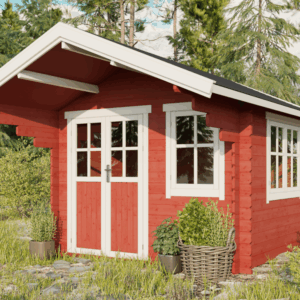
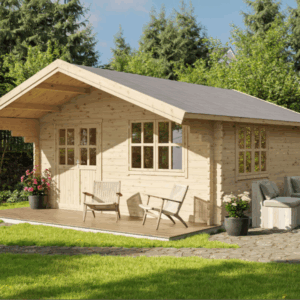
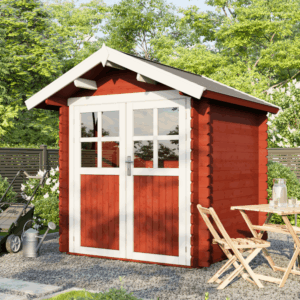
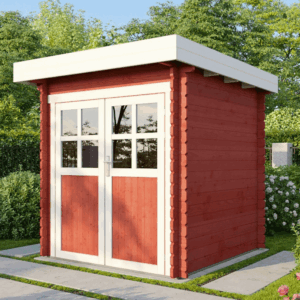
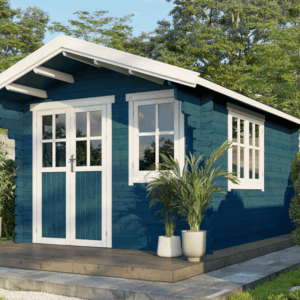
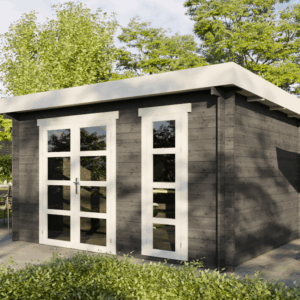
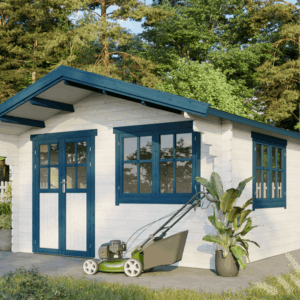
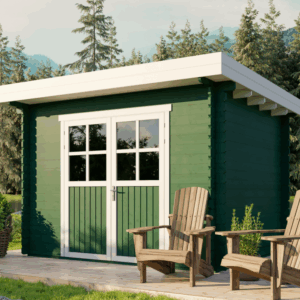
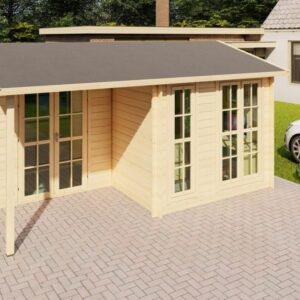
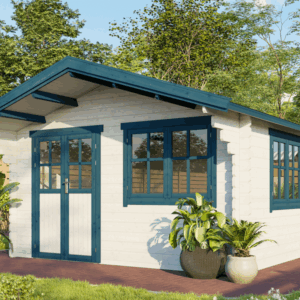
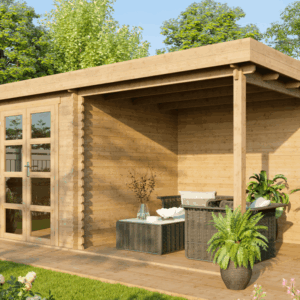
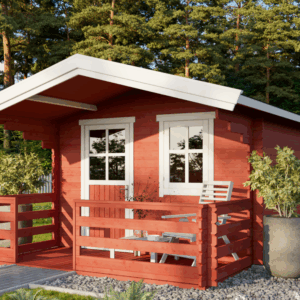
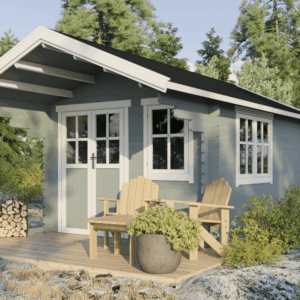
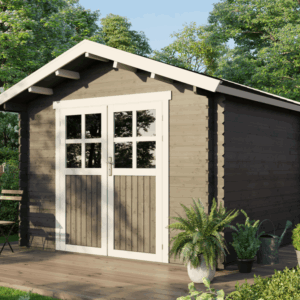
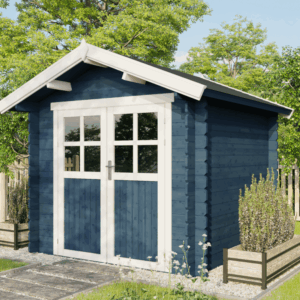
Imagine waking up to the crisp Irish air, the scent of pine, and the gentle rustle of leaves outside your charming log cabin. For many, this idyllic vision is a dream, but with careful planning and understanding of the process, importing and building a log cabin in Ireland is a very achievable reality. This comprehensive guide will demystify the journey, covering everything from initial considerations and supplier selection to planning permission and the actual construction. We’ll equip you with the knowledge to navigate the complexities and bring your dream log home to the Emerald Isle.
Why Choose a Log Cabin for Your Irish Home?
Log cabins offer a unique blend of rustic charm and modern comfort, providing a warm and inviting atmosphere that’s perfect for the Irish landscape. Their natural aesthetic seamlessly integrates with the surrounding environment, offering a sense of peace and tranquility often sought after by those looking to escape the hustle and bustle of urban life. Beyond their visual appeal, log cabins are renowned for their excellent insulation properties, contributing to a cozy and energy-efficient home, a significant advantage in Ireland’s cooler climate.
The natural materials used in log cabin construction can also contribute to a healthier living environment, with many people reporting a sense of well-being associated with living amongst natural wood. Furthermore, the perceived simplicity and connection to nature are powerful draws for individuals and families seeking a more grounded lifestyle. The enduring popularity of log homes is a testament to their timeless appeal and the unique lifestyle they afford their owners.
Navigating the Import Process: Key Considerations
Importing a log cabin to Ireland involves more than just selecting a design; it requires a thorough understanding of international logistics, customs, and potential import duties. You’ll need to research reputable log cabin manufacturers who have experience with exporting to Ireland, as they will be invaluable in guiding you through the necessary documentation and shipping arrangements. Early communication with potential suppliers is crucial to clarify what is included in their package and what additional costs you might incur.
Understanding the specifics of VAT and potential customs duties is paramount to accurately budgeting for your project. Different countries have varying trade agreements, and it’s essential to ascertain any applicable tariffs or taxes that will apply to your shipment. Reputable suppliers will often be able to advise on these matters, but it’s always wise to cross-reference this information with official Irish government sources to avoid any unexpected financial surprises down the line.
Choosing Your Log Cabin Supplier: Quality and Expertise
The foundation of a successful log cabin project lies in selecting a reputable and experienced supplier. Look for companies with a proven track record of delivering high-quality log homes, ideally with specific experience in exporting to Ireland. Reviewing customer testimonials, case studies, and requesting sample materials can provide valuable insights into the quality of their products and their commitment to customer satisfaction. Don’t hesitate to ask detailed questions about their construction methods, the type of timber used, and their warranty policies.
Consider the level of support your supplier offers throughout the process, from initial design consultation to the delivery of materials. Some companies offer design services to help you customize a cabin to your specific needs and the Irish landscape, while others provide detailed construction manuals and even on-site support. Understanding the full scope of their services will help you determine the best fit for your project and your budget.
Understanding Different Log Cabin Types
Log cabins come in various styles and construction methods, each with its own advantages. Solid log cabins, often built with interlocking logs, offer a traditional aesthetic and excellent thermal mass. Timber frame cabins, while appearing similar, utilize a wooden frame structure clad with log-effect siding, offering more design flexibility and potentially lower costs. Recognizing the differences in construction, insulation, and aesthetics will guide you towards the type of cabin best suited for your dream Irish home.
Another important distinction is between milled logs and hand-hewn logs. Milled logs are uniformly shaped for easier construction and a more precise fit, while hand-hewn logs possess a more rustic, artisanal charm. The choice between these will significantly impact the visual appearance and character of your log cabin. Weighing these options based on your personal preferences and desired look is a crucial early step.
Planning Permission in Ireland: A Crucial Step
Obtaining planning permission is arguably the most critical administrative hurdle when building any new dwelling in Ireland, including log cabins. You will need to engage with your local authority and understand their specific planning policies, which can vary significantly from region to region. It is highly advisable to consult with a local architect or planning consultant who is familiar with the Irish planning system and can help you navigate the application process effectively.
Factors that will be considered include the visual impact of the cabin on the surrounding landscape, its proximity to existing dwellings, access to services such as water, electricity, and wastewater treatment, and environmental considerations. Some areas may have specific restrictions on the size, scale, or materials used for new constructions. Proactive engagement with the planning department and a well-prepared application are key to a smoother approval process.
Site Assessment and Preparation
Before your log cabin kit even arrives, a thorough site assessment and preparation are essential. This involves evaluating the ground conditions for stability, ensuring proper drainage, and planning for access for delivery vehicles and future occupancy. Depending on your site, you might need to consider excavation, leveling, or the installation of a suitable foundation system, such as a concrete slab or piers, to support your cabin.
The orientation of your cabin on the site can also play a significant role in its energy efficiency and overall comfort. Maximizing natural light and passive solar gain during the winter months, while considering shading from the summer sun, can lead to lower heating and cooling costs. Careful planning at this stage will prevent costly issues during and after construction.
The Construction Process: From Kit to Home
Once your log cabin kit arrives in Ireland, the construction phase begins. Many suppliers offer detailed assembly instructions, and some provide optional installation services. Depending on your experience and the complexity of the design, you may opt for a DIY approach with the help of friends and family, or you might choose to hire a professional builder experienced in log home construction.
The assembly of the log walls is typically the most visible part of the construction, followed by the installation of the roof structure, windows, and doors. After the shell is complete, you’ll move on to interior finishing, including insulation, electrical and plumbing work, and the installation of flooring, kitchen, and bathroom. The level of finishing will largely depend on whether you’re building a permanent residence or a holiday home.
Foundation and Base Preparation
A robust and correctly constructed foundation is non-negotiable for any log cabin. This often involves pouring a concrete slab or constructing a series of concrete footings and piers to provide a stable and level base for the timber structure. It is crucial to ensure that the foundation is designed to withstand the specific soil conditions of your site and the weight of the log cabin, as well as to comply with local building regulations and codes.
Adequate damp-proofing and ventilation beneath the cabin are also vital to prevent moisture ingress and rot, ensuring the longevity of your investment. Consulting with a structural engineer or an experienced builder to design and oversee the foundation work is highly recommended. This foundational step is critical for the structural integrity and long-term durability of your log home.
Insulation and Energy Efficiency
While logs themselves offer natural insulation, modern building standards and the Irish climate necessitate further attention to insulation. The gaps between logs should be properly sealed using specialized materials to prevent drafts and heat loss. Additionally, the roof and floor areas will require appropriate insulation to achieve optimal thermal performance.
Consider incorporating energy-efficient windows and doors, and explore options for sustainable heating systems, such as wood-burning stoves or heat pumps, which align well with the ethos of a log home. Achieving a high level of energy efficiency will not only reduce your heating bills but also enhance the comfort and environmental credentials of your Irish log cabin.
Ongoing Maintenance for Your Log Cabin
Like any home, a log cabin requires regular maintenance to ensure its longevity and preserve its aesthetic appeal. The exterior logs will need periodic treatment with specialized preservatives and stains to protect them from UV radiation, moisture, and insect damage. Regular inspections for any signs of wear, rot, or pest infestation are crucial for early intervention.
Interior maintenance typically involves keeping the wood clean and free from dust. Depending on the type of wood finish used, you might need to reapply sealants or varnishes periodically. By committing to a routine maintenance schedule, you can ensure your log cabin remains a beautiful and secure sanctuary for years to come.
Conclusion: Bringing Your Irish Log Cabin Dream to Life
Importing and building a log cabin in Ireland is a rewarding journey that combines the allure of natural living with the comfort of a modern home. By meticulously planning each step, from selecting a reputable supplier and navigating the planning permission process to ensuring proper construction and ongoing maintenance, you can transform your dream into a tangible reality. Embrace the adventure, and soon you’ll be enjoying the unique charm and tranquility of your very own log cabin nestled in the beautiful Irish countryside.
“`
Looking for services in Cross? You may also like: Flower Delivery 24.