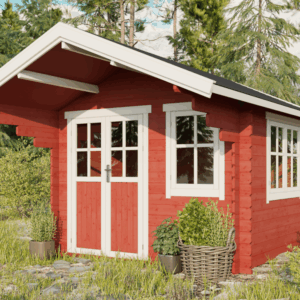
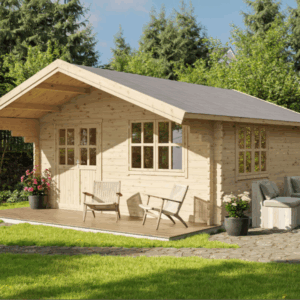
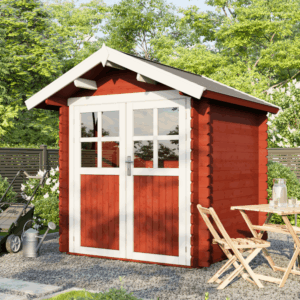
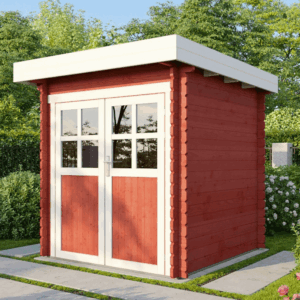
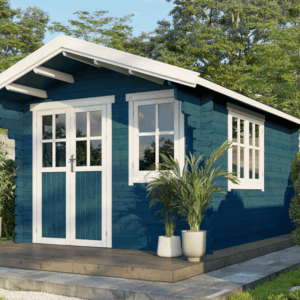
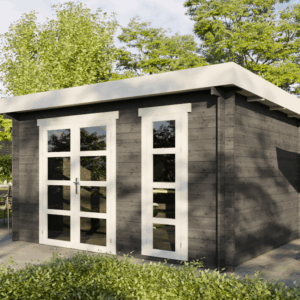
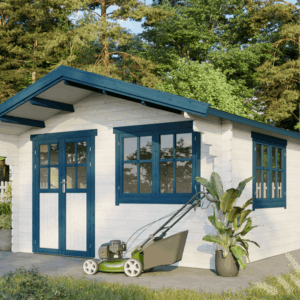
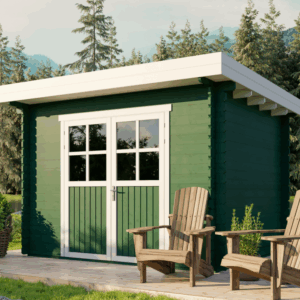
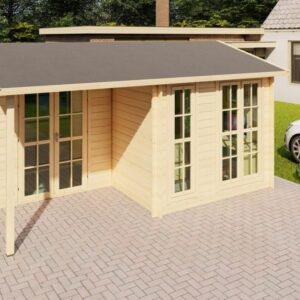
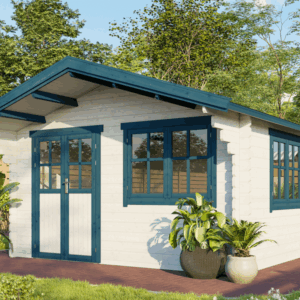
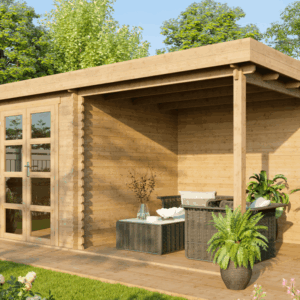
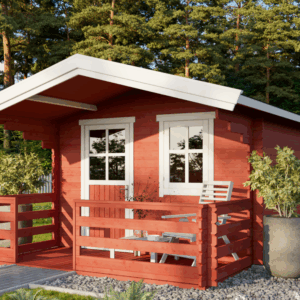
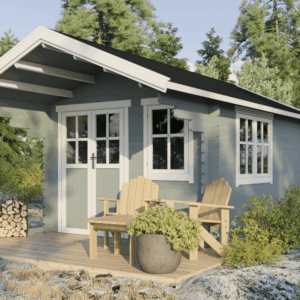
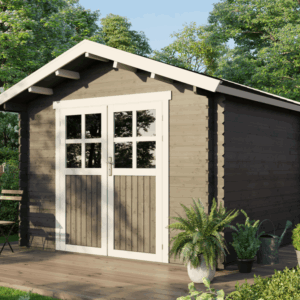
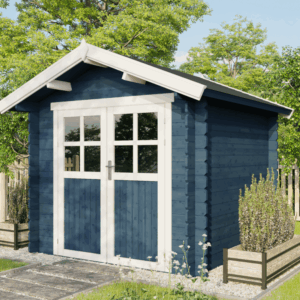
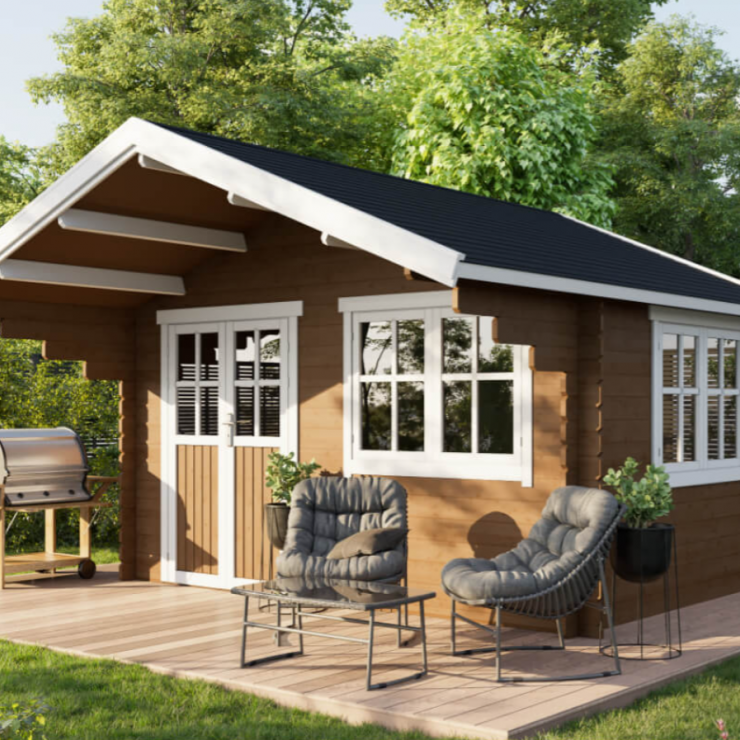
Imagine a cozy retreat nestled amongst whispering pines, sunlight dappling through the leaves, and the gentle scent of wood filling the air. Now, picture that idyllic scene enhanced by the warm, earthy elegance of cork. Wooden cabins have long been synonymous with rustic charm and a deep connection to nature, offering a sanctuary from the hustle and bustle of modern life. When you introduce cork into this equation, you unlock a new dimension of comfort, sustainability, and unique aesthetic appeal. This isn’t just about building a structure; it’s about crafting an experience, a feeling of belonging, and a sustainable lifestyle. This article will delve deep into the enchanting world of wooden cabins enhanced with cork, exploring its benefits, design possibilities, and why it’s a trend worth embracing for anyone seeking a truly special dwelling.
The Enduring Appeal of Wooden Cabins
Wooden cabins evoke a sense of timelessness and simplicity. Their inherent connection to the natural world makes them incredibly appealing, offering a grounding presence that is often lost in urban environments. The natural beauty of wood, with its unique grain patterns and warm tones, creates an inviting and comforting atmosphere. Building with wood also often translates to a more environmentally conscious choice, as it’s a renewable resource when responsibly sourced. This blend of aesthetic appeal and eco-friendliness has solidified the wooden cabin’s place as a beloved architectural style for centuries.
Historically, cabins served as practical shelters, built from readily available local materials. Over time, they evolved into symbols of escape, adventure, and a simpler way of life. Whether a rustic hunting lodge, a charming weekend getaway, or a full-time residence, the essence of a wooden cabin remains rooted in its connection to the outdoors and its ability to foster a sense of peace and tranquility. This enduring appeal is why so many individuals and families continue to be drawn to the idea of owning or building their own wooden sanctuary.
Introducing Cork: Nature’s Versatile Wonder Material
Cork, harvested from the bark of the cork oak tree, is a remarkable natural material with a surprisingly diverse range of applications, especially within the context of residential design. Its unique cellular structure makes it incredibly lightweight, buoyant, and most importantly for our purposes, an exceptional insulator. Beyond its practical properties, cork possesses a distinct visual warmth and texture that complements the natural beauty of wood wonderfully. It’s a material that is both sophisticated and down-to-earth, making it a perfect partner for the rustic charm of wooden cabins.
The sustainability of cork is another major draw. The bark is harvested without harming the tree, which continues to grow and produce more bark. This regenerative process makes cork an eco-friendly choice, aligning perfectly with the ethos of natural living that many people associate with wooden cabins. Its natural hypoallergenic and antimicrobial properties further enhance its appeal, contributing to a healthier indoor environment. This holistic approach to materials is increasingly important for conscious consumers.
Why Combine Wooden Cabins and Cork? The Synergistic Benefits
The marriage of wooden cabins and cork is not merely an aesthetic choice; it’s a functional and sustainable one. Cork’s inherent insulating properties significantly enhance the energy efficiency of a wooden cabin, keeping it warmer in the winter and cooler in the summer. This translates to lower heating and cooling costs, a more comfortable living environment year-round, and a reduced carbon footprint. The natural sound-dampening qualities of cork also contribute to a more peaceful and serene atmosphere within the cabin, minimizing external noise pollution.
Furthermore, cork’s natural elasticity and shock-absorbing capabilities make it a surprisingly durable material. It can withstand minor impacts without denting or cracking, making it ideal for high-traffic areas within a cabin. Its fire-retardant properties also add a layer of safety, a crucial consideration for any dwelling. This combination of benefits creates a living space that is not only beautiful but also highly practical and environmentally responsible.
Design Possibilities: Integrating Cork into Your Wooden Cabin
The beauty of incorporating cork into wooden cabin design lies in its versatility. Cork can be used in a variety of applications, both internally and externally, to enhance both the aesthetics and functionality of the dwelling. From flooring and wall coverings to decorative accents and furniture, the possibilities are extensive. Thinking about how to blend these materials thoughtfully is key to achieving a cohesive and inviting space that celebrates the best of both worlds.
Flooring: The Foundation of Warmth and Comfort
Cork flooring is an exceptional choice for wooden cabins, offering a naturally warm and soft surface underfoot that is a welcome contrast to the hardness of traditional wood or tile. Its inherent cushioning properties make it comfortable for long periods of standing or walking, and it significantly reduces the impact of dropped items. The rich, earthy tones of cork flooring can beautifully complement the natural wood finishes of the cabin walls and ceiling, creating a harmonious and inviting ambiance.
The installation of cork flooring is relatively straightforward, making it a DIY-friendly option for those undertaking a cabin renovation or new build. It can be laid as floating planks or glued down, depending on the subfloor and desired durability. Beyond its comfort and aesthetics, cork’s natural resistance to mold and mildew makes it a hygienic choice, particularly in environments that might experience seasonal dampness. This practical advantage adds to its overall appeal as a flooring material.
Wall Coverings: Texture, Insulation, and Natural Beauty
Transforming cabin walls with cork offers a unique and impactful design element. Cork wall panels or tiles provide an excellent source of insulation, further enhancing the energy efficiency of the cabin. They also contribute to superior acoustics, absorbing sound and creating a quieter, more tranquil interior. The tactile quality of cork adds a depth and richness to the walls that cannot be achieved with paint or wallpaper alone, creating a cozy and sophisticated atmosphere.
Consider using cork in key areas of the cabin, such as the living room, bedroom, or even a home office. Its natural patterns and textures can be a stunning focal point, drawing the eye and adding a touch of organic artistry. Cork can be left in its natural state for a more rustic look, or it can be stained or sealed to achieve a variety of finishes that can blend seamlessly with existing wood tones or create a striking contrast. This adaptability ensures it can fit a wide range of design visions.
Decorative Accents and Furniture: Subtle Touches of Elegance
Beyond structural applications, cork can be masterfully incorporated as decorative accents throughout your wooden cabin. Think about custom-designed cork backsplashes in the kitchen, adding both style and practicality. Small cork-covered surfaces on furniture, like tabletops or drawer pulls, can provide a subtle yet sophisticated touch. Even decorative cork wall art can bring a unique natural element into the space. These smaller details can tie the entire design together and reinforce the natural theme.
Custom furniture pieces featuring cork elements can also elevate the cabin’s interior. A dining table with a cork inlay, a coffee table with a cork surface, or even chairs with cork seating can introduce warmth, texture, and a unique design flair. These pieces not only look beautiful but also offer the practical benefits of cork, such as its durability and ease of cleaning. Integrating these elements thoughtfully ensures that the cork complements, rather than overpowers, the natural wood of the cabin.
Real-World Inspiration: Cabins That Embrace Cork
Throughout Scandinavia and in various eco-conscious communities worldwide, you can find stunning examples of wooden cabins that have masterfully integrated cork into their design. These projects often showcase the material’s ability to blend seamlessly with natural wood, creating spaces that are both modern and deeply rooted in nature. Look for cabins with cork flooring in living areas, textured cork walls in bedrooms for added coziness, and even small decorative cork elements that add a unique character.
These real-world examples serve as a testament to the aesthetic and functional advantages of combining wood and cork. They demonstrate how this pairing can result in homes that are not only beautiful and comfortable but also highly sustainable and energy-efficient. Seeking out images and case studies of such cabins can provide invaluable inspiration for your own wooden cabin project, whether you’re planning a new build or a renovation.
Tips for Choosing and Installing Cork in Your Cabin
When embarking on a project involving cork in your wooden cabin, careful consideration of the type of cork and its installation is paramount. Opt for high-quality, sustainably sourced cork products from reputable manufacturers to ensure durability and environmental responsibility. Understanding the different types of cork available – such as natural, engineered, and agglomerated – will help you select the best option for each specific application within your cabin.
Proper installation is crucial for the longevity and performance of cork. For flooring, ensure the subfloor is level and clean. For wall applications, proper adhesion and sealing are key to preventing moisture damage and ensuring a smooth finish. If you’re not experienced with DIY installations, consulting with a professional installer who has experience with cork can be a wise investment, guaranteeing a beautiful and lasting result for your wooden cabin.
The Future of Sustainable Living: Wooden Cabins with Cork
The trend towards sustainable living and natural materials is not a fleeting fad; it’s a growing movement towards conscious consumption and a desire for homes that are in harmony with the environment. Wooden cabins, with their inherent connection to nature, are perfectly positioned to lead this charge. The addition of cork as a complementary material amplifies this message, offering a unique blend of beauty, performance, and ecological integrity.
As awareness of climate change and the importance of sustainable building practices grows, we can expect to see more innovative uses of natural materials like cork in residential design. Wooden cabins adorned with cork represent a vision of the future – a future where our homes are not only shelters but also reflections of our values, offering comfort, beauty, and a deep respect for the planet. Embracing this combination is an investment in a more sustainable and aesthetically rich way of living.
Conclusion: Crafting Your Dream Eco-Sanctuary
In conclusion, the synergy between wooden cabins and cork offers an unparalleled opportunity to create a living space that is both breathtakingly beautiful and remarkably functional. From the inherent warmth and sustainability of wood to the versatile performance and natural elegance of cork, every element contributes to a holistic and inspiring dwelling. Whether you envision a serene retreat or a vibrant family home, the combination of these natural materials provides a foundation for a life lived in close connection with nature and a commitment to responsible living.
By carefully considering design possibilities, prioritizing sustainable sourcing, and embracing the unique qualities of each material, you can craft your dream eco-sanctuary. The magic lies in the thoughtful integration, creating a space that not only shelters you but also nourishes your spirit and contributes positively to the world around you. So, let the charm of wooden cabins and the wonder of cork inspire you to build a home that truly embodies peace, beauty, and sustainability.
“`
Looking for services in Cork? You may also like: Flower Delivery 24 | Lough Shinny Crab | Turbines Ireland.