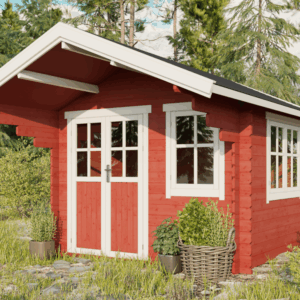
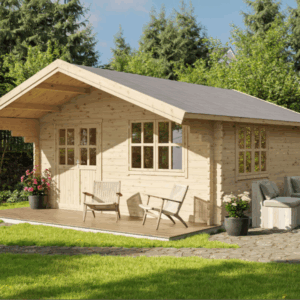
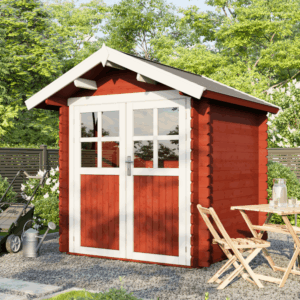
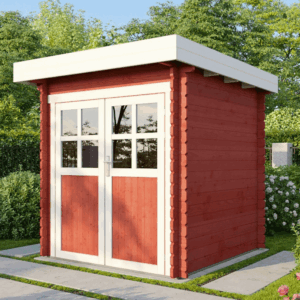
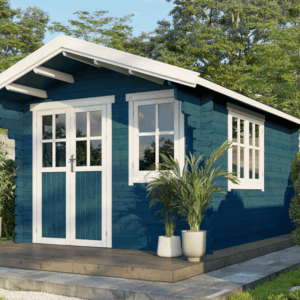
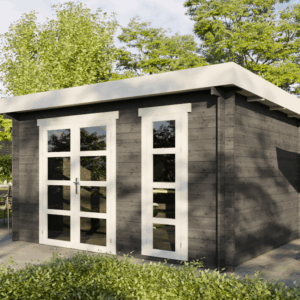
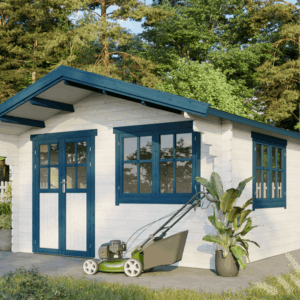
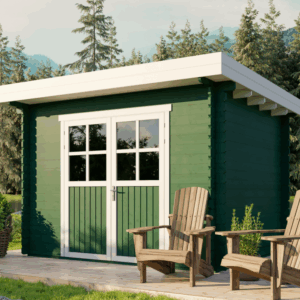
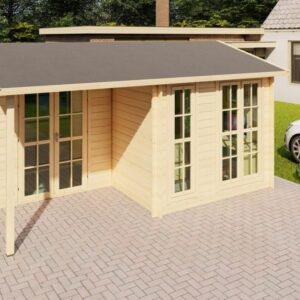
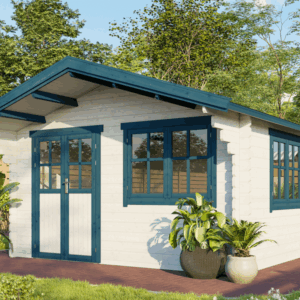
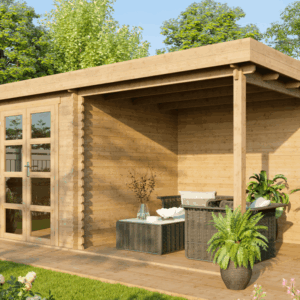
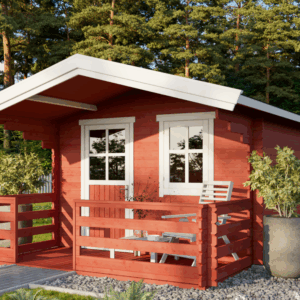
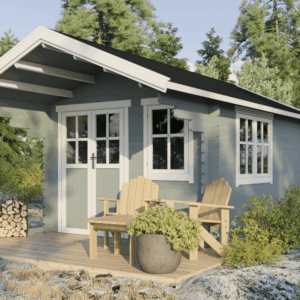
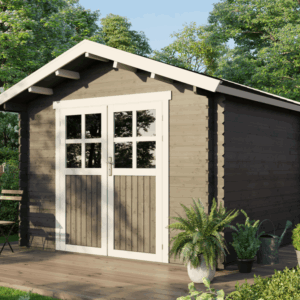
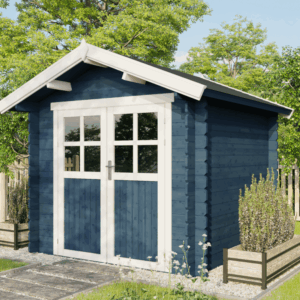
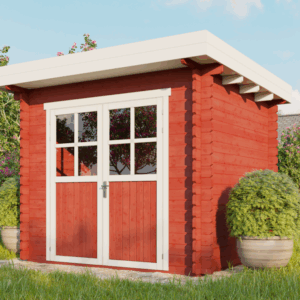
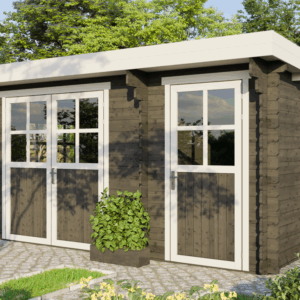
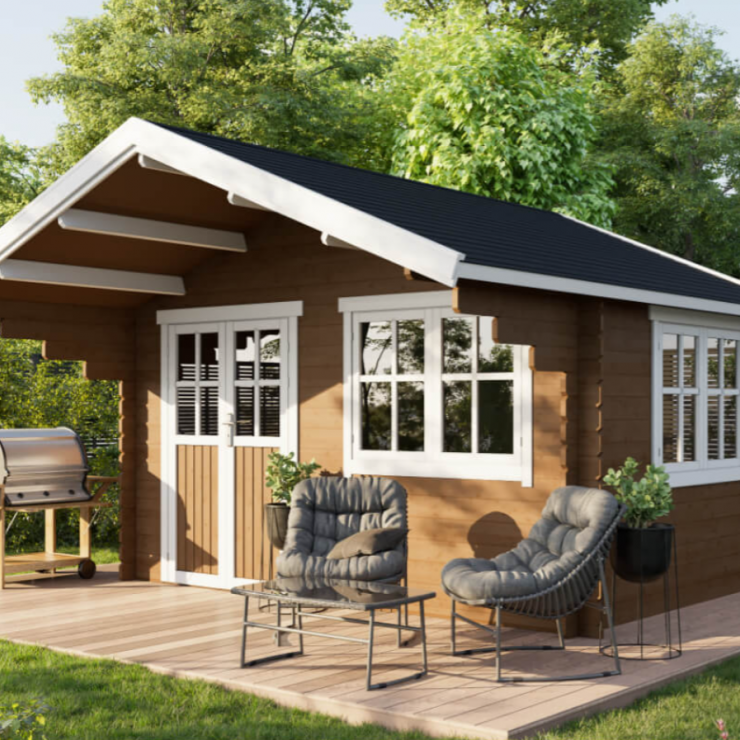
Imagine a dwelling that whispers tales of the forest, blending seamlessly with its natural surroundings while offering unparalleled comfort and a commitment to the planet. This is the allure of wooden cabins, and when you introduce the unique properties of cork, you unlock a new dimension of sustainable, stylish, and supremely livable architecture. Wooden cabins have long symbolized a retreat from the hustle and bustle of modern life, offering a tangible connection to nature that many crave. The addition of cork elements elevates this concept, bringing forth a blend of rustic aesthetics and innovative, eco-conscious design.
In this comprehensive exploration, we’ll delve into the captivating world of wooden cabins and the surprising versatility of cork as a building material. From the structural integrity of timber to the insulating and decorative power of cork, we’ll uncover how these elements combine to create spaces that are not only beautiful but also remarkably functional and environmentally responsible. Whether you’re dreaming of a weekend getaway, a permanent eco-residence, or simply seeking inspiration for your next renovation, this guide will illuminate the possibilities of incorporating cork into your wooden cabin vision.
The Enduring Appeal of Wooden Cabins
Wooden cabins evoke a sense of timelessness and tranquility. The natural warmth of timber, whether it be pine, cedar, or oak, creates an inviting and cozy atmosphere that synthetic materials simply cannot replicate. The scent of wood, the visible grain patterns, and the inherent connection to the forests from which it came all contribute to a feeling of groundedness and well-being. This connection to nature is a fundamental reason why wooden cabins remain a cherished dream for many seeking a simpler, more grounded lifestyle.
Beyond aesthetics, wood is a renewable resource when sourced responsibly, making it an inherently sustainable building material. Its natural insulating properties help to regulate indoor temperatures, reducing the need for excessive heating and cooling. Furthermore, the construction of wooden cabins often has a lower carbon footprint compared to concrete or steel structures, aligning with growing environmental consciousness. The ability to build with materials that age gracefully and become more characterful over time is another significant draw for those who appreciate enduring quality.
Traditional Log Cabins: A Timeless Foundation
The quintessential image of a wooden cabin often brings to mind the sturdy, hand-hewn logs of traditional log cabin construction. This method, passed down through generations, involves stacking and interlocking logs to form the walls of the structure. The natural gaps between logs are typically chinked with a mixture of mud, straw, and other natural materials, providing insulation and weatherproofing. These cabins exude an authentic, rustic charm that is deeply appealing to those seeking an escape to a simpler era.
Modern interpretations of log cabins often incorporate advanced sealing techniques and engineered logs to enhance energy efficiency and structural integrity. Despite these advancements, the fundamental appeal of sleeping within walls of solid wood remains. The tactile experience of running a hand over the textured surface of a log, the subtle scent of pine, and the sense of being enveloped by nature are experiences that continue to draw people to this classic form of dwelling. They represent a commitment to natural materials and a lifestyle rooted in the landscape.
Timber Frame Cabins: Elegance and Open Spaces
Timber frame cabins offer a different aesthetic, focusing on the exposed structural beams and joinery that create a sense of grandeur and spaciousness. Large, beautifully crafted wooden timbers form the skeleton of the house, with the walls often being non-load-bearing and filled with insulation and cladding. This construction style allows for soaring ceilings, open-plan living areas, and large windows that flood the interior with natural light, further enhancing the connection to the outdoors.
The craftsmanship involved in timber framing is a significant part of its appeal. The visible mortise and tenon joints, pegs, and intricate carvings showcase the skill of the woodworker and add a unique artistic element to the cabin. This approach allows for a more contemporary feel while still retaining the warmth and natural beauty of wood. The structural artistry of timber framing transforms a cabin into a functional work of art, celebrating the inherent beauty of the wood itself.
The Surprising Power of Cork in Cabin Design
While often associated with wine stoppers and bulletin boards, cork is a remarkably versatile and sustainable material with a growing presence in the construction industry. Harvested from the bark of the cork oak tree without harming the tree itself, cork is a renewable and biodegradable resource. Its unique cellular structure, composed of tiny air-filled pockets, gives it exceptional insulating, acoustic, and cushioning properties, making it an ideal complement to wooden cabins.
The inherent sustainability of cork aligns perfectly with the eco-conscious ethos often associated with wooden cabin living. Unlike many manufactured insulation materials, cork requires minimal processing and leaves a minimal environmental footprint. This makes it a natural choice for builders and homeowners who prioritize ecological responsibility alongside aesthetic appeal. Its hypoallergenic and antimicrobial properties further enhance its suitability for healthy indoor environments, adding another layer of benefit.
Cork as Natural Insulation: Enhancing Comfort and Efficiency
One of cork’s most significant contributions to wooden cabins is its exceptional thermal insulation. The millions of microscopic air-filled cells trapped within the cork act as natural barriers against heat transfer. This means that cork-clad walls will help keep your cabin warmer in the winter and cooler in the summer, significantly reducing your reliance on energy-intensive heating and cooling systems. Imagine a cozy winter evening where the warmth from your fireplace is beautifully retained, or a cool summer day where the cabin remains refreshingly temperate.
Beyond thermal insulation, cork also provides excellent acoustic insulation. The same cellular structure that traps heat also absorbs sound, creating a quieter and more peaceful interior. This is particularly beneficial in cabins, where a sense of serenity and escape is paramount. The reduction of external noise pollution, from wind to wildlife, contributes to a more tranquil and restorative living experience. This acoustic dampening can transform a cabin into a true sanctuary, free from the distractions of the outside world.
Decorative Cork Applications: Adding Texture and Warmth
Cork is not just functional; it’s also aesthetically versatile. Cork wall panels and tiles come in a variety of natural tones, textures, and patterns, offering a unique and organic element to cabin interiors. These can be used as accent walls, backsplashes, or even entire wall coverings, adding a touch of natural warmth and visual interest. The subtle variations in color and texture inherent to cork create a dynamic and inviting surface that celebrates the beauty of natural materials. It offers a sophisticated yet grounded aesthetic that complements the rustic charm of wood.
Cork flooring is another popular application, offering a comfortable, durable, and naturally insulating surface underfoot. Its inherent resilience makes it ideal for high-traffic areas, while its soft cushioning provides a pleasant walking experience. The natural grip of cork also reduces the risk of slips and falls, adding an element of safety to your cabin. Imagine stepping out of bed onto a floor that feels warm and yielding, a true embodiment of comfort.
The Health and Environmental Benefits of Cork
Choosing cork for your wooden cabin construction is a choice that benefits both you and the planet. Cork is naturally hypoallergenic and resistant to mold and mildew, contributing to a healthier indoor air quality. This is especially important in enclosed cabin environments where fresh air circulation might be a consideration. Its natural antimicrobial properties further deter the growth of bacteria, ensuring a cleaner and more hygienic living space.
As a sustainable resource, cork plays a vital role in protecting ecosystems. The cork oak forests are crucial carbon sinks, absorbing significant amounts of CO2 from the atmosphere. When cork is harvested, the tree continues to grow and regenerate, making it a truly renewable and eco-friendly material. This cyclical harvesting process ensures the longevity of these vital forests, contributing to a healthier planet for future generations. Opting for cork is a tangible way to support environmental stewardship.
Designing Your Wooden Cabin with Cork Elements
Integrating cork into your wooden cabin design can take many forms, from subtle accents to significant structural elements. The key is to balance the natural beauty of the wood with the unique properties of cork to create a cohesive and harmonious living space. Consider where cork’s insulating, acoustic, or decorative benefits would be most impactful in your cabin’s layout and functionality. Thoughtful placement is essential for maximizing its advantages.
Start by identifying specific areas where cork can enhance your cabin. Perhaps it’s an accent wall in the living room to add warmth and texture, or cork flooring in the kitchen for its comfort and durability. Even small applications, like cork backsplashes or decorative inlays, can add a distinctive touch. The modular nature of cork tiles and panels makes them adaptable to various design schemes, allowing for creative expression.
Exterior Applications: Weather Resistance and Aesthetics
While less common, cork can also be explored for exterior applications, offering a unique and sustainable cladding option for wooden cabins. Specialized exterior-grade cork products are designed to withstand the elements, providing insulation and a distinctive natural aesthetic. Imagine a cabin that not only feels connected to its surroundings but also visually blends in with the earthy tones of the landscape. The natural resilience of cork can offer a beautiful and durable outer layer.
The inherent water resistance and thermal insulation of cork can contribute to the longevity and energy efficiency of your cabin’s exterior. This can be particularly advantageous in climates with significant temperature fluctuations or high humidity. Exploring these possibilities can lead to a cabin that is as resilient as it is beautiful, standing the test of time while minimizing its environmental impact. It’s a forward-thinking approach to cabin construction.
Interior Design Ideas: Creating a Cozy and Sustainable Haven
Inside your wooden cabin, cork offers a wealth of design possibilities. Consider using cork flooring in bedrooms and living areas for its warmth and comfort. In kitchens and bathrooms, cork backsplashes or wall panels can add both style and practicality, offering a naturally water-resistant and easy-to-clean surface. The tactile nature of cork invites interaction, making everyday spaces more engaging.
Cork can also be used for custom built-in furniture, like shelving units or seating areas, adding a unique and integrated design element. Imagine a window seat upholstered with cork fabric, providing a cozy spot to read while enjoying the view. The versatility of cork allows for a truly personalized cabin experience, where every element contributes to a sense of comfort and well-being. It’s about crafting a space that truly reflects your values.
The Future of Wooden Cabins with Cork
The synergy between wooden cabins and cork represents a promising future for sustainable and aesthetically pleasing architecture. As environmental awareness continues to grow, the demand for natural, renewable building materials like wood and cork is expected to increase. These materials not only offer environmental benefits but also contribute to healthier and more comfortable living spaces.
The ongoing innovation in cork production and application techniques will likely lead to even more exciting possibilities for its use in residential construction. From advanced exterior claddings to novel interior finishes, cork’s potential as a building material is far from fully realized. As designers and builders embrace its unique attributes, we can anticipate seeing more wooden cabins that are not only beautiful and functional but also deeply committed to environmental responsibility. This integration signifies a move towards housing that truly harmonizes with the natural world.
In conclusion, the marriage of wooden cabins and cork is a testament to thoughtful design and a commitment to a sustainable future. By embracing the inherent qualities of both materials, you can create a living space that is rich in rustic charm, unparalleled in comfort, and deeply respectful of the environment. Whether you’re embarking on a new build or a renovation, consider the enduring appeal and remarkable benefits of incorporating cork into your wooden cabin vision, and unlock a truly enchanting and eco-conscious dwelling.
Looking for services in Cork? You may also like: Flower Delivery 24 | Lough Shinny Crab | Turbines Ireland.