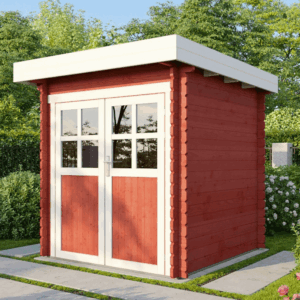
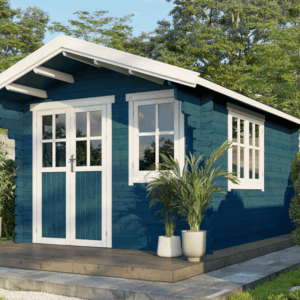
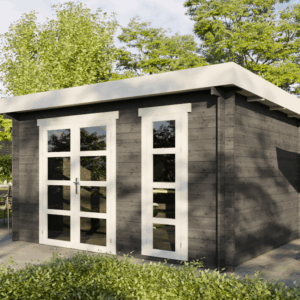
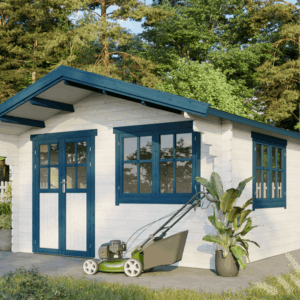
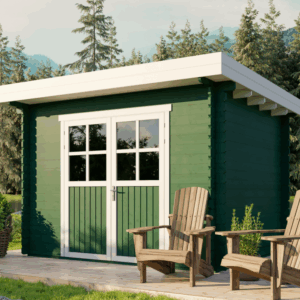
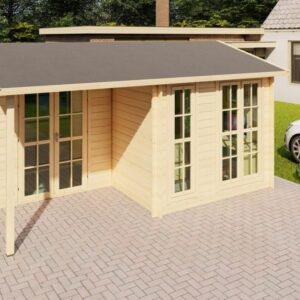
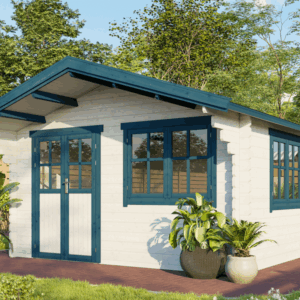
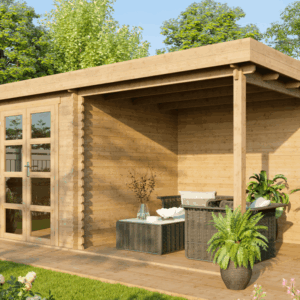
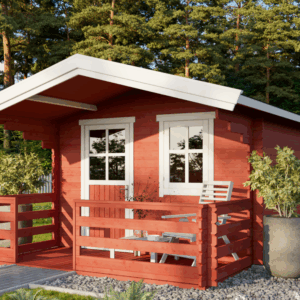
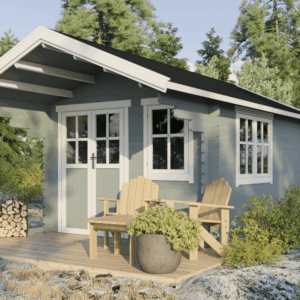
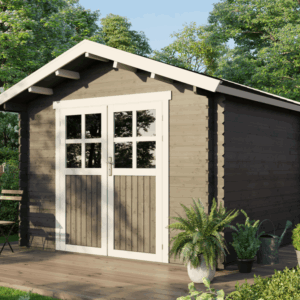
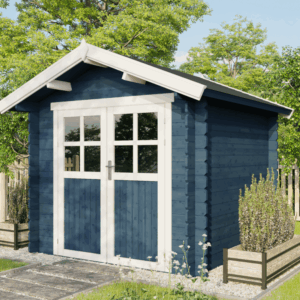
Are you dreaming of escaping to the breathtaking beauty of Donegal, Ireland? Imagine owning a cozy log cabin nestled amongst rolling hills, overlooking the wild Atlantic coast. An Fál Carrach, also known as Falcarragh and Cross Roads, offers the perfect setting for such a retreat. This guide dives deep into everything you need to know about building, buying, and enjoying log cabins in this stunning region. From understanding planning permission to choosing the right materials, we’ll cover it all, ensuring you’re well-equipped to make your log cabin dream a reality.
Why Choose An Fál Carrach (Falcarragh) for Your Log Cabin?
An Fál Carrach, or Falcarragh as it’s more commonly known, is a vibrant village in County Donegal, Ireland. It’s renowned for its stunning coastal scenery, including miles of pristine beaches and dramatic cliffs. The area exudes a sense of tranquility and a strong sense of community, making it an ideal location for a peaceful escape. Owning a log cabin here provides a unique opportunity to immerse yourself in the natural beauty of Ireland while enjoying a comfortable and charming living space. The air is fresh, the pace of life slower, and the sunsets are simply unforgettable.
The strategic location of Falcarragh also contributes to its appeal. Situated within easy reach of other popular Donegal destinations like Glenveagh National Park and the Wild Atlantic Way, your log cabin becomes a gateway to exploring the best of the county. Whether you’re interested in hiking, surfing, fishing, or simply relaxing by the fire with a good book, Falcarragh provides endless possibilities for recreation and enjoyment. Furthermore, the local pubs and restaurants offer a warm welcome and a taste of authentic Irish culture, completing the idyllic picture.
Navigating Planning Permission for Log Cabins in Ireland
Before you start building your dream log cabin, it’s crucial to understand the planning permission process in Ireland. Unlike pre-fabricated garden sheds, log cabins intended for residential use require planning permission. The specific requirements can vary depending on the size, location, and intended use of the cabin. Therefore, it’s vital to research the local council’s planning guidelines for Donegal County Council and consult with a local architect or planning consultant early in the process.
Planning permission applications typically involve submitting detailed plans, including site plans, elevation drawings, and floor plans. You’ll also need to provide information about the materials you intend to use and how the cabin will impact the surrounding environment. Be prepared for potential delays and the possibility of having to revise your plans based on the council’s feedback. Gathering all necessary documentation and engaging with the planning authorities proactively can significantly streamline the process and increase your chances of approval.
Understanding the building regulations is equally important. These regulations cover everything from structural integrity and fire safety to energy efficiency and accessibility. Your chosen log cabin design and construction methods must comply with these regulations. Again, working with experienced professionals who are familiar with Irish building standards is highly recommended. This ensures that your log cabin not only looks beautiful but also meets all safety and regulatory requirements.
Key Considerations for Planning Permission
One of the most critical factors influencing planning permission is the site’s location. Building on designated scenic routes, near protected habitats, or within areas of high archaeological sensitivity may face additional scrutiny. The size and design of the cabin will also be examined to ensure they are in keeping with the surrounding environment. For instance, a rustic, traditional design may be more readily accepted in a rural setting than a modern, minimalist one.
The potential impact on the local water supply and waste disposal systems is another key consideration. You’ll need to demonstrate how you intend to provide water and manage wastewater effectively. This might involve connecting to the mains water supply and installing a septic tank or a similar system. Planning officials will also assess the cabin’s impact on the local road network, particularly if it’s located in a remote area with limited access.
Finally, consider the potential impact on your neighbors. Engaging in early consultations with neighboring landowners can help address any concerns and facilitate a smoother planning process. Building a positive relationship with your neighbors can be beneficial throughout the entire construction and ownership journey. Addressing potential concerns proactively can mitigate potential objections to your planning application.
Choosing the Right Log Cabin Materials and Design
The quality of materials is paramount to the longevity and comfort of your log cabin. When selecting timber, opt for sustainably sourced, kiln-dried wood. This process removes moisture, reducing the risk of warping, cracking, and insect infestation. Common wood choices include spruce, pine, and larch, each offering different characteristics in terms of durability, appearance, and cost. Research the best timber options for the Irish climate’s weather.
The thickness of the log walls will influence the cabin’s insulation and energy efficiency. Thicker logs provide better insulation, keeping your cabin warmer in winter and cooler in summer. Consider the R-value, a measure of thermal resistance, when comparing different wall thicknesses. Choosing energy-efficient windows and doors is also crucial for minimizing heat loss. Double or triple-glazed units are recommended for optimal insulation and noise reduction.
Regarding design, consider your personal preferences and intended use. Do you want a cozy cabin for weekend getaways, a spacious family home, or a rental property? The design should complement the surrounding landscape and blend harmoniously with the environment. Traditional log cabin designs often feature steeply pitched roofs, exposed beams, and a natural, rustic aesthetic. Modern designs can incorporate clean lines, large windows, and contemporary finishes.
Popular Log Cabin Styles and Features
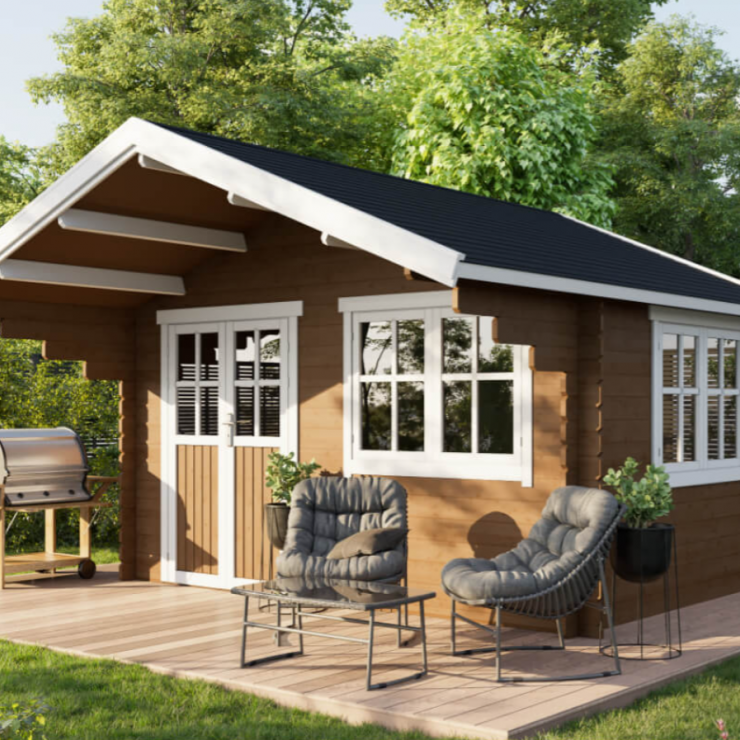
Several popular log cabin styles are particularly well-suited to the Irish landscape. The traditional Scandinavian style, with its gabled roof and simple, elegant lines, is a timeless choice. The American log cabin style, characterized by its larger size, wrap-around porches, and imposing presence, is another option. Alternatively, bespoke designs allow you to customize your cabin to meet your specific needs and preferences.
When planning the interior, consider features such as a fireplace or wood-burning stove to create a cozy and inviting atmosphere. Open-plan living spaces promote social interaction and maximize natural light. Incorporating a sunroom or a deck can further enhance your enjoyment of the outdoor environment. Think about energy efficiency, and factor in solar panel options to reduce your carbon footprint and energy bills.
Consider the potential for future additions or expansions. Designing a log cabin that can be easily extended as your needs evolve provides long-term flexibility. Ensuring that your cabin meets all building regulations from the outset will prevent costly rework down the line. Finally, remember to integrate sustainable building practices throughout the project, such as using reclaimed materials, rainwater harvesting systems, and low-VOC paints and finishes.
Finding Log Cabin Builders and Suppliers in Donegal
Finding reputable log cabin builders and suppliers in Donegal is crucial for a successful project. Start your search online by researching local companies and reviewing their portfolios. Look for builders with a proven track record of delivering high-quality log cabins on time and within budget. Check online review platforms to gauge customer satisfaction and identify potential red flags.
Request references from potential builders and contact their previous clients to learn about their experiences. Ask about the builder’s experience with the planning permission process, their knowledge of local building regulations, and their approach to project management. Verify that the builder is fully insured and has the necessary certifications and qualifications. It’s often beneficial to visit completed projects to assess the quality of their workmanship.
Compare quotes from several builders, but don’t base your decision solely on price. Consider the quality of materials, the experience of the builder, the scope of work included in the quote, and the warranty offered. Ensure that the contract clearly outlines all aspects of the project, including the payment schedule, the completion timeline, and the responsibilities of each party. Open and transparent communication is essential throughout the building process.
Enjoying Your Log Cabin in Falcarragh: Lifestyle and Local Amenities
Owning a log cabin in Falcarragh offers a lifestyle characterized by tranquility, natural beauty, and a strong sense of community. Spend your days exploring the stunning coastline, hiking in the surrounding hills, or simply relaxing on the beach. Enjoy the peace and quiet of the countryside while still having access to modern amenities.
Falcarragh boasts a range of local amenities, including shops, restaurants, pubs, and cafes. The village also offers various recreational facilities, such as a golf course, a swimming pool, and a sports center. Explore local artisan shops, sample the traditional cuisine, and immerse yourself in the rich cultural heritage of Donegal. The welcoming atmosphere of the local community makes it easy to integrate into village life.
The area offers a wealth of activities throughout the year. From the surf beaches of Magheroarty to the serene mountain trails of Muckish mountain, there is something for everyone. Falcarragh is also a popular destination for fishing and cycling enthusiasts. Many local festivals and events are held throughout the year, celebrating everything from traditional music to local crafts. Your log cabin becomes the perfect base for exploring all this region has to offer.
Conclusion: Your Dream Log Cabin Awaits in An Fál Carrach
Building a log cabin in An Fál Carrach, Donegal, is an exciting prospect, promising a unique lifestyle and a chance to connect with nature. This guide has provided a comprehensive overview of the key considerations, from navigating the planning process to selecting materials and finding the right builder. By doing your research, planning carefully, and working with experienced professionals, you can transform your dream into a reality.
Remember to embrace the beauty of the surrounding landscape, respect the local culture, and enjoy the journey. Owning a log cabin in Falcarragh is about more than just a place to live; it’s about creating a sanctuary, a retreat, and a legacy. With careful planning and dedication, your dream log cabin in the heart of Donegal awaits.
“`
Looking for services in Cross? You may also like: Flower Delivery 24.