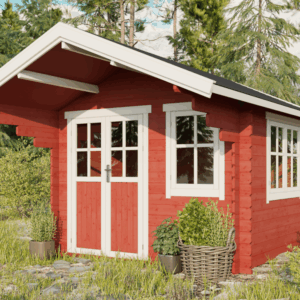
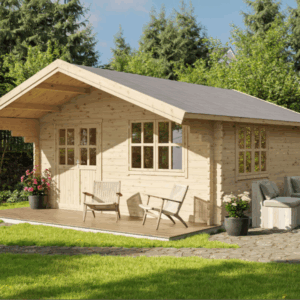
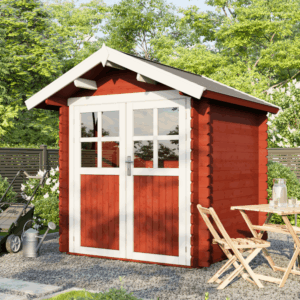
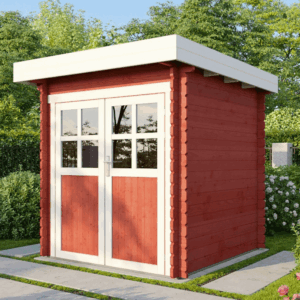
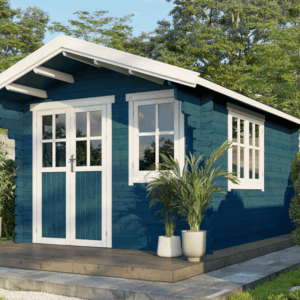
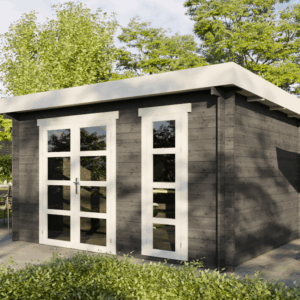
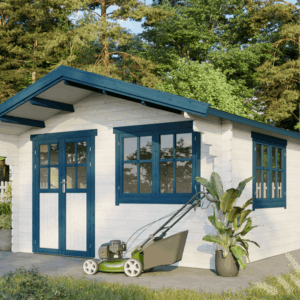
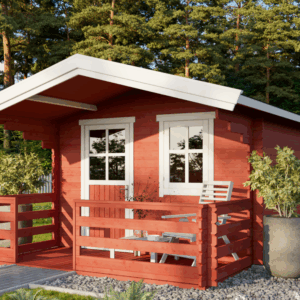
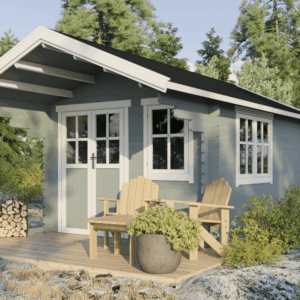
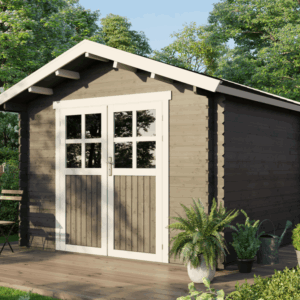
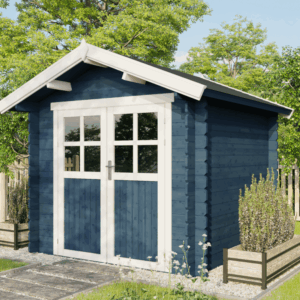
Imagine waking up to the gentle whisper of the wind through ancient oak trees, the scent of peat smoke mingling with the crisp, clean Irish air. For many, the dream of living in a log cabin in Ireland is an irresistible allure, a romantic notion of simpler times and a deeper connection to nature. This isn’t just about rustic living; it’s about embracing a lifestyle that prioritizes peace, sustainability, and the breathtaking beauty of the Emerald Isle. From picturesque rolling hills to rugged coastlines, Ireland offers a unique backdrop for the log cabin dream, and this comprehensive guide will help you navigate the path to making it a reality.
The idea of a log cabin evokes images of cozy evenings by a crackling fire, surrounded by natural, unadorned materials. In Ireland, this vision is amplified by the island’s rich history and its profound connection to the land. Beyond the aesthetic appeal, log cabins offer a tangible connection to the environment, a sustainable building choice that harmonizes with its surroundings. This guide aims to demystify the process, address common concerns, and inspire those who yearn for a life less ordinary, nestled within Ireland’s stunning natural landscapes.
The Allure of the Log Cabin Lifestyle in Ireland
Living in a log cabin in Ireland is more than just a housing choice; it’s an embrace of a particular way of life. It’s about shedding the complexities of modern urban living and opting for a more grounded existence. The inherent warmth and natural insulation of timber create a cozy and energy-efficient home, perfectly suited to Ireland’s often damp climate. This natural building material also contributes to a healthier indoor environment, free from the off-gassing often associated with synthetic materials.
The connection to nature is paramount. Waking up surrounded by trees, listening to birdsong, and having immediate access to walking trails or a quiet spot for reflection are daily realities for log cabin dwellers. This proximity to the natural world can foster a sense of peace, reduce stress, and encourage a more active and mindful lifestyle. It’s a chance to truly breathe in the beauty of Ireland and make it a part of your everyday experience.
Furthermore, the desire for self-sufficiency and sustainability often draws people to log cabin living. Many log cabins are designed with eco-friendly principles in mind, utilizing renewable resources and minimizing their environmental footprint. This resonates deeply with the growing awareness of climate change and the importance of living in harmony with our planet. The natural aesthetic of a log cabin perfectly complements this ethos, offering a beautiful and responsible way to inhabit the Irish countryside.
Finding Your Perfect Log Cabin Location in Ireland
Ireland’s diverse landscapes offer an abundance of stunning locations for your log cabin dream. From the dramatic cliffs of the Wild Atlantic Way to the serene lakes of the Midlands and the lush green valleys of the West, the choices are as varied as they are breathtaking. Consider what kind of environment most speaks to your soul – do you crave the dramatic beauty of the coast, the tranquility of a lakeside setting, or the rolling charm of the countryside?
When scouting for your ideal spot, think about accessibility and proximity to amenities. While seclusion is often part of the appeal, you’ll also want to consider how far you’re willing to travel for groceries, healthcare, and social connections. Researching local planning regulations is also crucial, as different areas may have specific guidelines for building and development, especially in areas of natural beauty or environmental sensitivity.
Many aspiring log cabin owners opt for purchasing land and then designing and building their dream home. This offers the ultimate control over design and location. Alternatively, you might find pre-existing log cabin homes or plots that already have planning permission, which can significantly streamline the process. Online property portals, local estate agents, and even word-of-mouth within rural communities can be excellent resources for finding available land or existing properties.
Navigating the Planning Permission Process
Understanding and securing planning permission is arguably the most critical step when embarking on your log cabin project in Ireland. The Irish planning system can be complex, and local authorities have varying approaches to new constructions, particularly those in rural or scenic areas. It’s essential to engage with your local planning authority early in the process to understand their requirements and policies.
This often involves submitting detailed architectural drawings, site surveys, and environmental impact assessments. For log cabins, specific considerations might include the type of timber used, the scale of the development, and its visual impact on the surrounding landscape. Engaging with an experienced architect or planning consultant who specializes in rural developments can be invaluable in navigating these complexities and increasing your chances of a successful application.
Be prepared for a potentially lengthy process. Applications can take several months to be reviewed, and there may be opportunities for public consultation. Thorough preparation, clear communication with the planning authority, and a well-thought-out design that respects its environment are key to a positive outcome. Understanding local development plans and any designated special amenity areas will also inform your application.
Types of Log Cabins and Construction Considerations
When it comes to log cabins, there’s a range of construction styles and timber types to consider, each offering unique characteristics. The most common methods include full-scribe log construction, where logs are meticulously shaped to fit snugly against one another, and chink-style, which uses smaller logs and fills the gaps with chinking material. Each method has its own aesthetic and structural considerations.
The choice of timber is also vital. Softwoods like pine and spruce are popular choices due to their availability, affordability, and ease of workability. However, hardwoods like oak offer exceptional durability and resistance to rot and insects, albeit at a higher cost. The timber should be sustainably sourced and properly treated to ensure longevity and resistance to moisture and pests, which are common challenges in Ireland’s climate.
Beyond the logs themselves, the foundation, roofing, and insulation are equally important. A solid foundation is crucial for stability, especially on varied terrain. High-quality insulation, combined with efficient heating systems, will be essential for maintaining warmth and comfort throughout the Irish winters. Modern log cabin construction often incorporates advanced building techniques to ensure energy efficiency and structural integrity, blending traditional aesthetics with contemporary standards.
The Practicalities of Daily Log Cabin Living
Living in a log cabin in Ireland brings a unique set of practical considerations that are worth understanding. Regular maintenance is key to preserving the beauty and integrity of your log home. This includes periodic sealing and staining of the timber to protect it from UV damage and moisture, as well as checking for any signs of pest infestation or rot.
Utilities can also be a consideration, especially in more remote locations. While many rural areas are well-served by electricity and water, you might encounter situations where off-grid solutions like solar power, well water, or septic systems are necessary. Researching the availability and feasibility of these services in your chosen location is crucial during the planning phase.
The ambiance of a log cabin often lends itself to a lifestyle that embraces simplicity and self-reliance. Many residents find joy in growing their own vegetables, raising small animals, or engaging in traditional crafts. This can be a deeply rewarding aspect of the log cabin lifestyle, fostering a connection to the land and a sense of accomplishment.
Embracing the Irish Culture and Community
While the allure of a log cabin might be the solitude and connection to nature, integrating into the local Irish community is an essential part of a fulfilling life. Irish culture is renowned for its warmth, hospitality, and strong sense of community. Embracing local traditions, participating in village events, and getting to know your neighbors will enrich your experience immensely.
Don’t underestimate the power of local pubs, community centers, and farmers’ markets as hubs for social interaction. These are places where stories are shared, friendships are forged, and you’ll quickly feel like a part of the fabric of Irish life. Many rural communities are vibrant and welcoming, eager to share their heritage and embrace newcomers who appreciate their way of life.
Learning a few phrases of the Irish language, or Gaeilge, can also be a wonderful way to connect with locals and show respect for their culture. While English is widely spoken, an effort to embrace the native tongue will be greatly appreciated. The warmth and resilience of the Irish people are truly what make living in Ireland so special, and your log cabin will serve as your haven within this welcoming embrace.
Is Living in a Log Cabin in Ireland Right for You?
Ultimately, the decision to pursue a log cabin lifestyle in Ireland is a personal one, requiring careful consideration of your priorities and aspirations. It’s a choice that promises a life of natural beauty, tranquility, and a deeper connection to the earth. If you dream of waking up to breathtaking vistas, embracing a more sustainable way of living, and becoming part of a rich and vibrant culture, then the log cabin dream on the Emerald Isle might just be your perfect reality.
It’s a journey that requires research, patience, and a willingness to adapt. But for those who are drawn to the rustic charm, the environmental benefits, and the unparalleled beauty of Ireland, the rewards are immeasurable. Your log cabin will be more than just a house; it will be your sanctuary, a place where you can truly live in harmony with nature and immerse yourself in the magic of Irish life.
“`