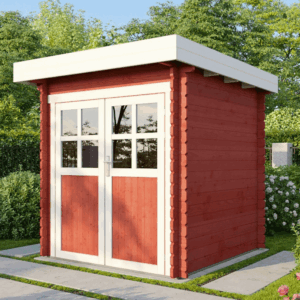
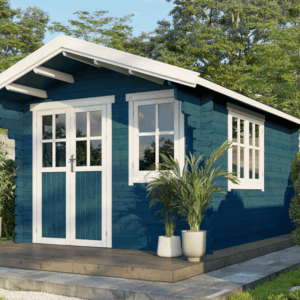
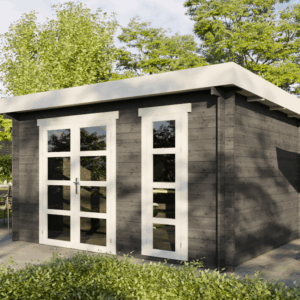
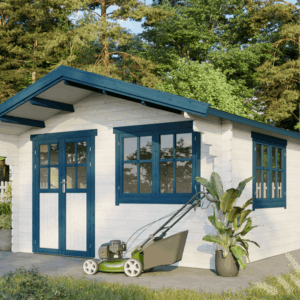
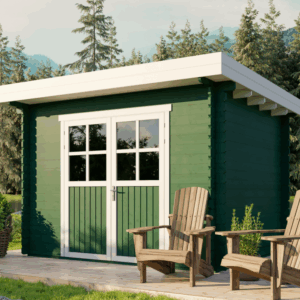
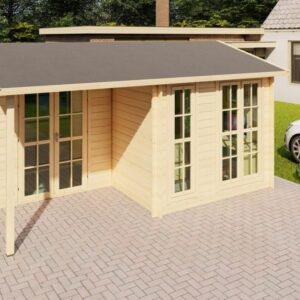
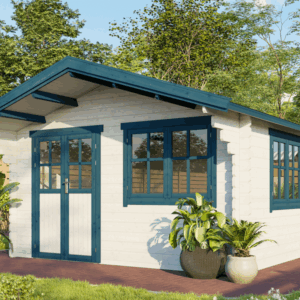
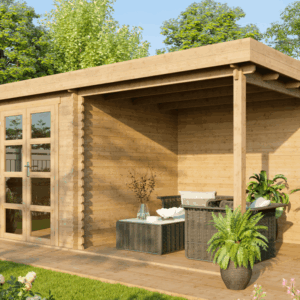
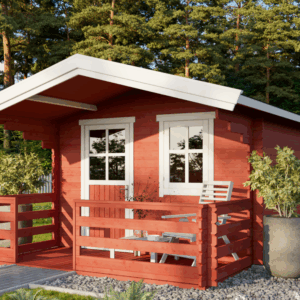
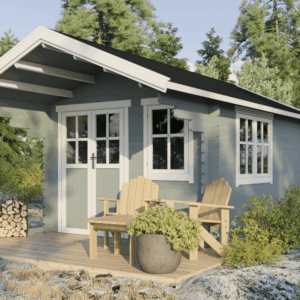
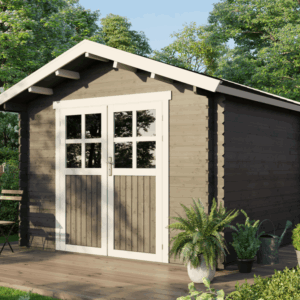
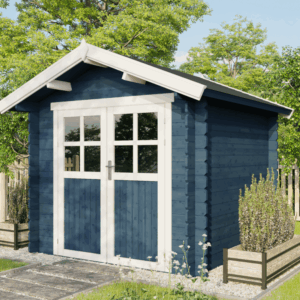
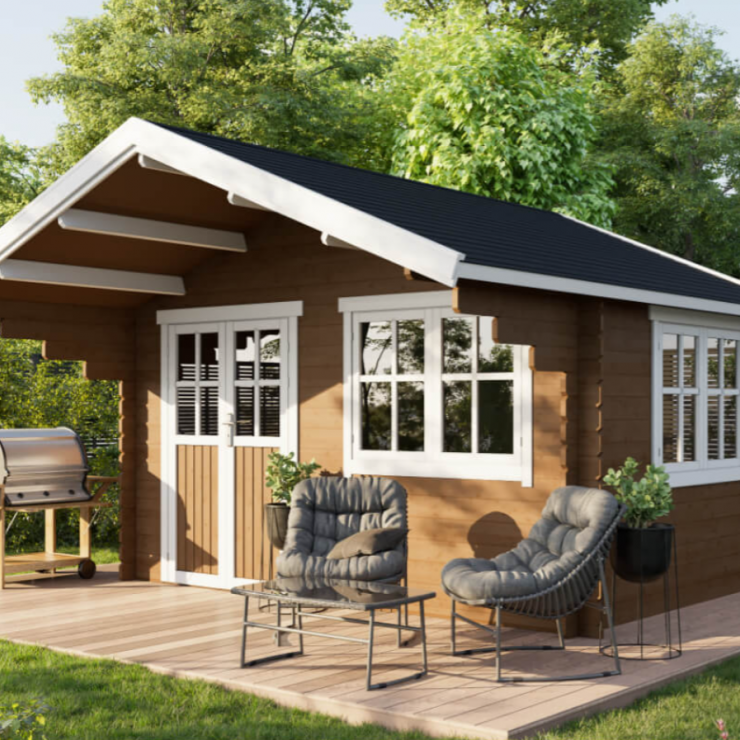
The allure of escaping to a cozy, rustic log cabin in Ireland is a dream for many. Imagine waking to the scent of pine, the crackle of a real fire, and the breathtaking beauty of the Emerald Isle right outside your window. For too long, this idyllic vision has been associated with hefty price tags, making it seem like an unattainable fantasy for most. However, the reality is that achieving your affordable log cabin dream in Ireland is more achievable than you might think, especially with careful planning, smart choices, and a willingness to explore different avenues.
This comprehensive guide will navigate you through the exciting landscape of affordable log cabin living in Ireland. We’ll delve into the various factors that influence cost, explore different types of cabins and their price points, and offer practical advice on finding land, financing, and even building your own slice of Irish paradise without breaking the bank. Get ready to unlock the secrets to making your affordable log cabin in Ireland a tangible reality.
Understanding the Cost Factors of Log Cabins in Ireland
The price of a log cabin in Ireland is not a one-size-fits-all figure. Numerous variables contribute to the overall expense, and understanding these from the outset is crucial for budgeting effectively. Factors such as the size and complexity of the design, the type of timber used, the quality of insulation, and the level of interior finishing all play significant roles in determining the final cost.
Beyond the cabin itself, the cost of land is a major consideration. Property prices vary dramatically across Ireland, with rural and more remote locations typically being more affordable than those closer to major cities or popular tourist destinations. The condition of the land, including accessibility and the need for site preparation such as clearing, leveling, or installing utilities, can also add to the overall investment.
Furthermore, additional expenses such as planning permission fees, building regulations compliance, connection to services (water, electricity, sewage), and landscaping will all contribute to the total expenditure. A thorough understanding of these interconnected cost drivers will empower you to make informed decisions and stay within your budget. For instance, opting for a smaller, simpler design can significantly reduce material and labor costs, while strategically choosing a location with existing utility connections can save considerable expense.
Exploring Affordable Log Cabin Options in Ireland
When seeking an affordable log cabin, it’s important to recognize the diverse range of options available, from pre-fabricated kits to bespoke builds and even the possibility of purchasing existing structures. Each of these approaches offers a different balance of cost, customization, and time investment, allowing you to find a solution that aligns with your financial capabilities and personal preferences.
Log Cabin Kits and Pre-Fabricated Structures
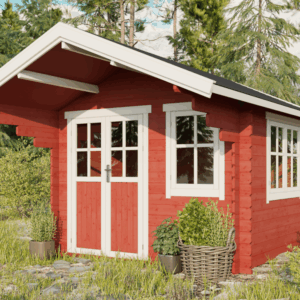
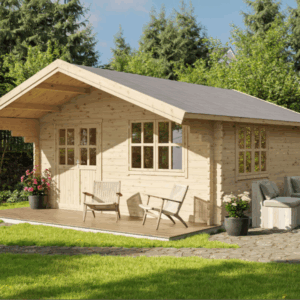
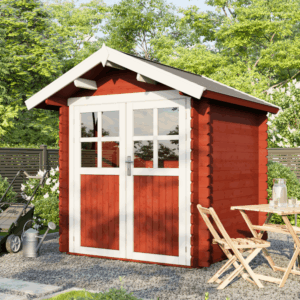
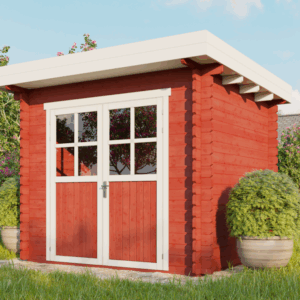
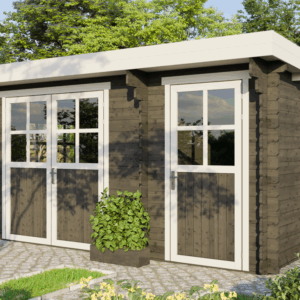
One of the most popular routes to affordable log cabin ownership is through pre-fabricated kits. These kits typically consist of pre-cut logs, all necessary hardware, and detailed assembly instructions, allowing for a faster and often more cost-effective build. Many companies in Ireland and across Europe offer a wide array of kit sizes and designs, from compact studio cabins to larger family homes.
These kits can range in price from a few thousand euros for a small, basic structure to tens of thousands for more elaborate, larger models. The advantage here is the predictability of cost and the streamlined construction process, which can significantly reduce labor expenses. Many kits are designed for DIY assembly, further lowering the financial outlay for those with the time and inclination to build themselves.
Another option within this category are fully pre-fabricated cabins, which are built off-site and then transported to your land for installation. While these might have a slightly higher upfront cost than a flat-pack kit, they offer an even quicker completion time and a higher degree of factory-controlled quality, potentially leading to fewer unforeseen issues down the line.
DIY and Self-Build Log Cabins
For the truly hands-on individual, a complete self-build offers the ultimate control and the potential for the lowest cost. This involves sourcing your own timber, cutting and shaping it, and then constructing the cabin from the ground up. While this path requires significant skill, time, and dedication, it can be incredibly rewarding and cost-effective.
This approach allows for complete customization and the opportunity to incorporate reclaimed or locally sourced materials, further driving down expenses. However, it’s crucial to have a solid understanding of construction techniques, building codes, and safety regulations to ensure a successful and compliant build. Seeking professional advice for critical stages, such as structural integrity and weatherproofing, is highly recommended even for experienced DIYers.
It’s also worth considering a hybrid approach where you purchase a basic shell kit and then undertake all the interior finishing and exterior detailing yourself. This can be a good compromise, offering a solid foundation while still allowing for significant cost savings through your own labor and material choices.
Purchasing Existing Log Structures or Renovating
In some instances, you might find existing log structures for sale, either as complete properties or as cabins that require renovation. These can sometimes represent a bargain, especially if the seller is motivated or the property is in a less sought-after location. A thorough inspection is paramount to identify any structural issues or necessary repairs.
Renovating an existing log cabin can be a cost-effective way to achieve your dream. If the core structure is sound, you can focus your budget on modernizing the interior, improving insulation, and enhancing its aesthetic appeal. This can often be more affordable than building from scratch, especially when considering the cost of land and initial site development.
Keep an eye on property portals and local estate agents for listings that might fit this description. Sometimes, these are advertised as holiday lodges or even small homes that have fallen into disrepair, offering a fantastic opportunity for a savvy buyer to transform them into their dream affordable log cabin.
Finding Affordable Land for Your Log Cabin
Securing the right plot of land at an affordable price is a cornerstone of achieving your budget-friendly log cabin aspirations in Ireland. The location of your land will heavily influence its price, with remote rural areas generally offering the most attractive options for cost-conscious buyers. Consider the trade-offs between proximity to amenities and the cost savings of a more secluded setting.
Exploring counties that are less frequented by tourists or those undergoing regeneration can yield surprising opportunities. Researching local planning policies is also essential, as some areas may have restrictions on residential development that could impact your building plans and add unforeseen costs. Websites dedicated to rural property sales and local auctioneers can be excellent resources for discovering land opportunities.
When evaluating potential plots, factor in the cost of site preparation. A plot that requires significant clearing, excavation, or has poor access can quickly increase your overall expenses. Ideally, look for land that already has some level of access and potentially even existing utility connections, as this can save you a considerable amount on infrastructure development.
Financing Your Affordable Log Cabin
Securing funding for your affordable log cabin project requires a thoughtful approach, as traditional mortgages might not always be straightforward for unique structures like log cabins. Exploring different financing avenues will be key to making your dream a reality without undue financial strain.
Personal savings are often the most straightforward way to fund a significant portion of the build. Building up a substantial deposit will not only reduce the amount you need to borrow but can also improve your chances of securing a loan with favorable terms. Consider setting up dedicated savings accounts and exploring any government grants or schemes that might be available for eco-friendly or rural developments.
For those requiring external financing, investigate specialized lenders or mortgage brokers who have experience with non-standard properties. Some banks may offer mortgages for log cabins, particularly if they are built to a high standard and comply with building regulations. It’s crucial to present a comprehensive business plan and detailed costings to demonstrate the viability of your project to potential lenders.
Exploring Grants and Subsidies
Ireland has various initiatives aimed at supporting rural development, sustainable living, and renovation projects, which could potentially be leveraged to reduce the cost of your log cabin. Researching these schemes is a vital step in the budgeting process.
Look into grants related to energy efficiency, sustainable building practices, or rural housing initiatives. While direct grants for log cabins might be rare, improvements to insulation, renewable energy installations, or wastewater treatment systems could be eligible for funding. Staying informed about the latest government programs and local council initiatives is highly recommended.
These grants can significantly offset specific costs associated with your build, such as the installation of solar panels, rainwater harvesting systems, or high-performance insulation. Always read the eligibility criteria carefully and be prepared to submit detailed applications. Consulting with a grant advisor could also be beneficial in navigating the application process.
Building Regulations and Planning Permission in Ireland
Navigating the landscape of planning permission and building regulations in Ireland is a critical step that should not be overlooked when embarking on your affordable log cabin journey. Understanding these requirements from the outset will prevent costly delays and ensure your project is compliant with legal standards.
The process typically begins with applying for planning permission from your local authority. This involves submitting detailed plans of your proposed cabin, including its size, design, location, and how it will integrate with the surrounding environment. The requirements can vary depending on the local development plan and the specific site you have chosen.
Once planning permission is granted, you will then need to comply with building regulations. These regulations cover aspects such as structural safety, fire safety, energy efficiency, and accessibility. Engaging with a qualified architect or building surveyor is highly advisable to ensure your plans meet all necessary standards and that the construction process is managed effectively.
Tips for a Smooth Planning and Approval Process
To streamline the planning and approval process for your affordable log cabin, thorough preparation and proactive communication are key. Start by thoroughly researching the local planning policies for your chosen area to understand any specific requirements or restrictions that may apply to log structures or rural dwellings.
Engage with your local planning authority early in the process. A pre-application consultation can provide valuable insights and guidance, helping you to identify potential issues and refine your plans before formal submission. This proactive approach can save time and prevent costly revisions down the line.
Ensure your application is complete and well-presented, including all necessary drawings, documentation, and supporting information. Consider employing a local planning consultant or an architect experienced with rural developments, as their expertise can be invaluable in navigating the complexities of the system and increasing your chances of a successful outcome.
Making Your Affordable Log Cabin a Sustainable Choice
Log cabins, by their very nature, often lend themselves to a more sustainable lifestyle, and there are numerous ways to enhance this aspect of your affordable build. Choosing sustainable materials and incorporating eco-friendly features will not only benefit the environment but can also lead to long-term cost savings on energy and maintenance.
Opting for sustainably sourced timber is paramount. Look for logs that are certified by organizations that promote responsible forestry practices. This ensures that the wood comes from well-managed forests, contributing to biodiversity and the long-term health of our woodlands. Local sourcing can also reduce transportation emissions and support local economies.
Consider incorporating renewable energy solutions such as solar panels for electricity generation and solar thermal systems for hot water. A well-insulated cabin will also minimize the need for extensive heating, reducing your energy consumption and carbon footprint. Rainwater harvesting systems can provide a sustainable source of water for gardens and other non-potable uses.
Conclusion: Your Affordable Log Cabin Awaits in Ireland
The dream of owning an affordable log cabin in Ireland is within reach for those who are prepared to research, plan, and explore the various options available. By understanding the cost factors, considering different types of cabins and land, and navigating the planning and financing processes strategically, you can turn this idyllic vision into a tangible reality.
Embrace the journey of building your own rustic retreat, and you’ll discover that the rewards of peaceful living, connection with nature, and a unique home are immeasurable. The charm and tranquility of the Irish countryside are waiting to be discovered from the cozy embrace of your very own affordable log cabin. Start exploring today, and let the adventure of your dream log cabin begin!
“`