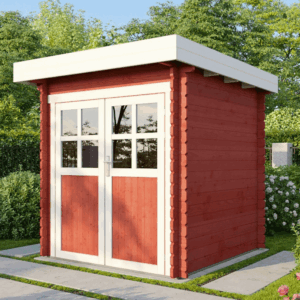
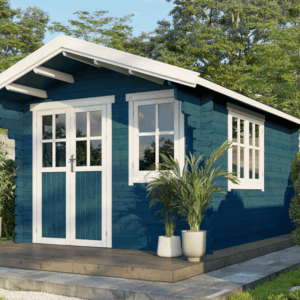
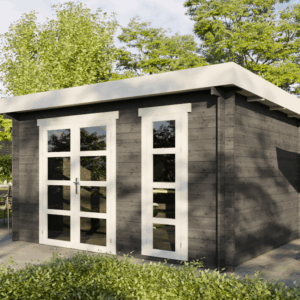
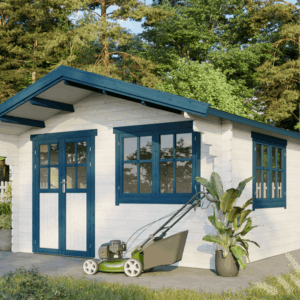
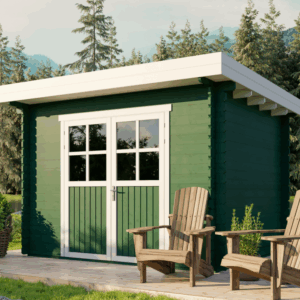
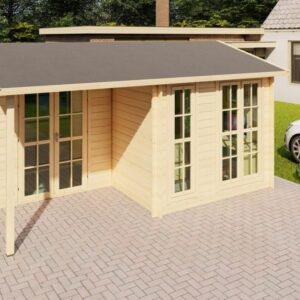
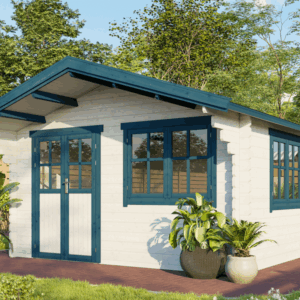
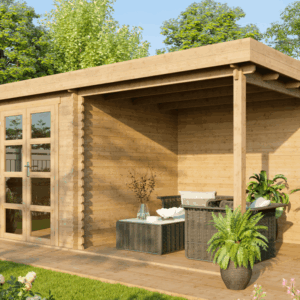
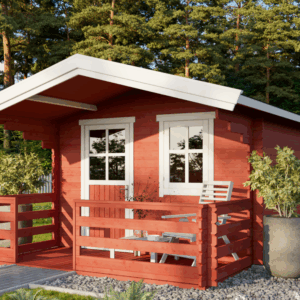
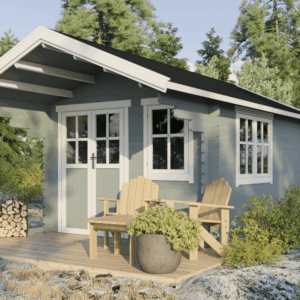
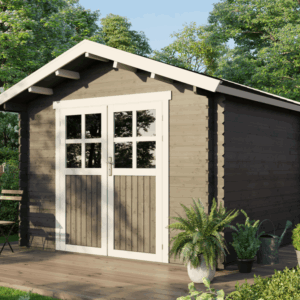
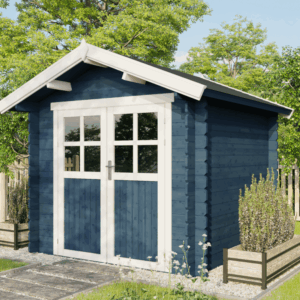
Imagine the cozy warmth and natural beauty of a log cabin, but with the added space and functionality you crave. For homeowners across Ireland, this vision is becoming a reality with the growing popularity of log cabin extensions. Whether you’re seeking a tranquil home office, a spacious playroom for the kids, a guest suite, or simply an enlarged living area, a log cabin extension offers a unique blend of rustic charm and modern comfort. This comprehensive guide will explore everything you need to know about adding a log cabin extension to your Irish property, from planning and design to regulations and the myriad benefits it can bring.
The allure of a log cabin extension lies in its ability to seamlessly integrate with natural surroundings, bringing the outdoors in. Unlike traditional brick-and-mortar additions, a log structure offers a distinct aesthetic, evoking a sense of peace and tranquility. In Ireland, with its breathtaking landscapes, a log cabin extension can become a beautiful focal point, enhancing both your home’s visual appeal and its connection to the environment. This extension type is not just about adding square footage; it’s about enhancing your lifestyle and creating a space that truly feels like an extension of your personal sanctuary.
As property values continue to fluctuate and the desire for more versatile living spaces intensifies, homeowners are increasingly looking for innovative and aesthetically pleasing ways to expand their homes. Log cabin extensions present a compelling alternative to conventional extensions, offering a faster build time, a more sustainable building material, and a unique character that is difficult to replicate. This guide aims to demystify the process and empower you to make an informed decision about investing in a log cabin extension for your Irish home.
The Appeal of Log Cabin Extensions in the Irish Context
Ireland’s rich heritage and deep appreciation for nature make log cabin extensions a particularly fitting choice. The natural grain and earthy tones of timber complement the verdant Irish countryside, creating a harmonious addition to any property, be it a modern dwelling or a charming period home. This connection to nature fosters a sense of calm and well-being, qualities highly valued in today’s fast-paced world. The inherent sustainability of timber also resonates with a growing environmental consciousness among Irish homeowners.
Furthermore, the perceived speed and relative simplicity of constructing a log cabin extension can be a significant draw. Compared to the often lengthy and disruptive process of traditional building methods, log cabin kits can be manufactured off-site and assembled relatively quickly on location. This minimizes disruption to your daily life and can often lead to a faster return on your investment in terms of usable space and enjoyment. The aesthetic appeal is undeniable, offering a distinctive look that stands out from more conventional home additions.
Beyond aesthetics and speed, the natural insulating properties of timber contribute to energy efficiency. This is particularly relevant in the Irish climate, where maintaining a comfortable indoor temperature year-round is crucial. Well-constructed log cabins can offer excellent thermal performance, potentially reducing heating costs and contributing to a more sustainable home. This dual benefit of comfort and reduced energy bills makes log cabin extensions a financially sound and environmentally responsible choice for many.
Planning Your Log Cabin Extension: Key Considerations
Embarking on a log cabin extension project requires careful planning and consideration of several key factors. The first step involves defining your needs and vision for the space. Are you looking for a quiet retreat for work, a vibrant social hub, or a practical addition to accommodate a growing family? Clearly articulating your purpose will guide the design and layout of your extension, ensuring it meets your specific requirements and enhances your lifestyle.
Next, it’s essential to research and select a reputable log cabin supplier and installer. Look for companies with a proven track record in Ireland, who understand local building regulations and climate conditions. Requesting quotes, viewing past projects, and reading customer testimonials are crucial steps in this process. A good supplier will offer expert advice on design, materials, and the entire construction process, ensuring a smooth and successful outcome.
Budgeting is another critical aspect of the planning phase. While log cabin extensions can be more cost-effective than some traditional methods, it’s important to factor in all potential costs, including design, site preparation, foundations, installation, roofing, windows, doors, interior finishing, and any necessary planning permissions or professional fees. A detailed budget will help you stay on track and avoid unexpected expenses throughout the project.
Design and Functionality: Tailoring Your Space
The design of your log cabin extension should be both functional and aesthetically pleasing, reflecting your personal style and the existing architecture of your home. Consider the size, shape, and layout that best suits your intended use. Will it be a simple rectangular room, or do you envision a more complex design with multiple windows to maximize natural light and views? Integrating features like vaulted ceilings can enhance the sense of space and airiness.
Think about how the extension will connect to your existing home. A seamless transition is key to creating a cohesive living space. This might involve matching external finishes, ensuring level flooring between the existing house and the new structure, or creating an inviting doorway. The orientation of windows and doors should also be carefully considered to optimize natural light and ventilation, as well as to take advantage of any scenic views your property offers.
Material choices for roofing, windows, and doors are also important for both aesthetics and performance. While the main structure will be timber, you can choose from a variety of roofing materials, such as felt, shingles, or even a green roof, to complement your home and the environment. High-quality, energy-efficient windows and doors will enhance comfort and contribute to the overall thermal performance of the extension.
Navigating Regulations and Permissions in Ireland
Understanding and adhering to Irish building regulations and planning permission requirements is paramount for any home extension project. While smaller, less intrusive extensions might fall under ‘exempted development’ in certain circumstances, it is always advisable to check with your local authority. For log cabin extensions, especially those that significantly alter the footprint or character of your property, planning permission is often necessary.
Your chosen log cabin supplier should be knowledgeable about these regulations and can assist you in navigating the application process. They can often provide detailed plans and specifications required for planning submissions. Engaging with a qualified architect or planning consultant can also be beneficial, particularly for more complex projects or if you are unsure about the specific requirements in your area. Early consultation with your local planning department is always recommended.
Building regulations cover aspects such as structural integrity, fire safety, ventilation, and energy efficiency. Ensuring your log cabin extension meets these standards is crucial for the safety and longevity of the structure, as well as for compliance with legal requirements. This is where the expertise of your builder and supplier becomes invaluable, guaranteeing that the construction is carried out to the highest standards.
The Construction Process: From Foundation to Finish
The construction of a log cabin extension typically begins with site preparation and the laying of a solid foundation. The type of foundation will depend on the ground conditions and the size and weight of the log cabin, but it’s crucial to ensure a stable and level base. This is a critical step that underpins the entire structure and requires professional expertise to get right.
Once the foundation is in place, the pre-fabricated log walls are delivered to the site and assembled. This is often a surprisingly quick process, with experienced teams efficiently stacking and interlocking the timber logs. The inherent precision of pre-cut logs ensures a snug fit, creating a robust and weather-tight structure. The speed of this stage is one of the major advantages of choosing a log cabin extension.
Following the erection of the walls, the roof structure is installed, followed by windows and doors. The interior is then finished according to your design, which might include insulation, flooring, plastering, and electrical and plumbing work. The level of customization in the finishing stages allows you to create a space that perfectly reflects your taste and functional needs, transforming the raw timber shell into a comfortable and inviting living area.
Benefits of Investing in a Log Cabin Extension
The benefits of investing in a log cabin extension are numerous and extend beyond simply gaining extra living space. The natural aesthetics of a log structure bring a sense of tranquility and connection to nature, creating a serene environment that can reduce stress and enhance well-being. This rustic charm offers a unique character that can significantly elevate the appeal of your home.
Energy efficiency is another significant advantage. Timber is a natural insulator, and well-constructed log cabins can offer excellent thermal performance, leading to reduced heating bills and a more comfortable living environment throughout the year. This sustainability aspect aligns with a growing desire among homeowners to make environmentally conscious choices.
Log cabin extensions can also be a wise investment in terms of increasing your property’s value. A well-designed and expertly constructed extension adds usable space and enhances the overall appeal of your home, making it more attractive to potential buyers in the future. The unique nature of a log cabin extension can be a significant selling point, differentiating your property from others on the market.
Real-World Examples and Inspiration
Across Ireland, homeowners are embracing log cabin extensions for a variety of purposes. We’ve seen stunning examples of garden offices providing a peaceful escape for remote workers, allowing them to separate their professional and personal lives. Families are creating vibrant playrooms that keep children entertained and engaged, while also freeing up space in the main house. Furthermore, charming guest suites are being built, offering comfortable and private accommodation for visiting friends and relatives.
Consider the case of a family in County Wicklow who wanted to create a dedicated dining and entertaining space. They opted for a spacious log cabin extension that seamlessly connected to their kitchen, featuring large windows that overlooked their garden. The result was a warm and inviting area perfect for hosting dinner parties and family gatherings, bathed in natural light and exuding a cozy, rustic ambiance.
Another inspiring example comes from a couple in County Cork who desired a tranquil art studio. They chose a smaller, more compact log cabin nestled in their garden, away from the distractions of the house. The natural light and peaceful setting provided the perfect environment for their creative pursuits, transforming their passion into a daily reality within their own home.
Choosing the Right Log Cabin Style for Your Home
Log cabin extensions come in a variety of styles, each offering a distinct aesthetic and level of functionality. The most common style is the traditional log cabin, characterized by its interlocking timber logs, which can be round or square in profile. This style is ideal for those seeking an authentic rustic feel and is a popular choice for extensions designed as garden rooms or studies.
Another option is the timber frame extension, which uses a wooden frame structure that can then be clad with various materials, including timber. This offers more design flexibility and can be a good choice if you want to match the external appearance of your existing home more closely. This approach allows for a modern interpretation of the log cabin aesthetic, blending traditional materials with contemporary design.
You can also explore more contemporary designs that incorporate larger expanses of glass and cleaner lines, while still utilizing the warmth and natural appeal of timber. These modern interpretations can be incredibly striking and offer a sophisticated extension that complements modern homes beautifully. The key is to select a style that harmonizes with your existing property and fulfills your specific functional and aesthetic desires.
Maintaining Your Log Cabin Extension
Like any wooden structure exposed to the elements, a log cabin extension requires ongoing maintenance to ensure its longevity and preserve its aesthetic appeal. Regular cleaning and inspection are crucial to identify any potential issues early on. This proactive approach will save you time and money in the long run.
The exterior timber will need to be treated periodically with a high-quality wood preservative and sealant to protect it from UV rays, moisture, and insect damage. The frequency of this treatment will depend on the type of timber used and the specific climate conditions in your area, but generally, every few years is recommended. This protective layer is vital for maintaining the integrity of the logs.
Internal maintenance is generally less intensive but still important. Keeping the interior clean, ensuring good ventilation to prevent dampness, and addressing any minor wear and tear promptly will keep your log cabin extension looking and feeling its best for years to come. Regular attention will ensure your investment continues to provide enjoyment and comfort.
The Future of Log Cabin Extensions in Ireland
The popularity of log cabin extensions in Ireland is set to continue its upward trajectory. As homeowners increasingly prioritize sustainable living, natural materials, and versatile living spaces, log cabins offer a compelling solution. The blend of tradition and innovation in their design and construction makes them a timeless addition to any home.
Advancements in timber treatment technologies and construction techniques are further enhancing the durability and energy efficiency of log cabins, making them an even more attractive and practical choice. The adaptability of log cabin designs means they can be tailored to suit a wide range of architectural styles and homeowner needs, further cementing their place in the Irish property market.
Whether you’re looking to expand your living space, create a dedicated work area, or simply add a touch of natural charm to your home, a log cabin extension in Ireland presents a unique and rewarding opportunity. By carefully planning, working with reputable professionals, and understanding the benefits, you can transform your vision into a beautiful and functional reality.
“`
Looking for services in Cork? You may also like: Flower Delivery 24 | Lough Shinny Crab | Turbines Ireland.