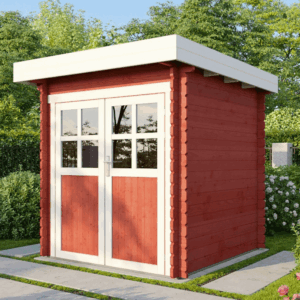
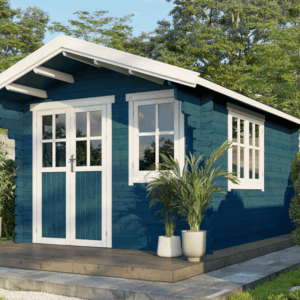
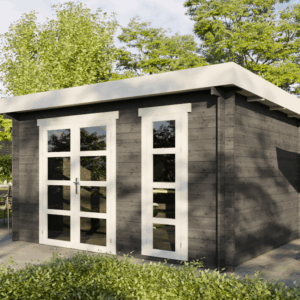
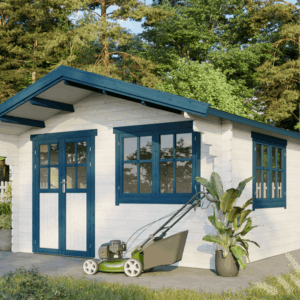
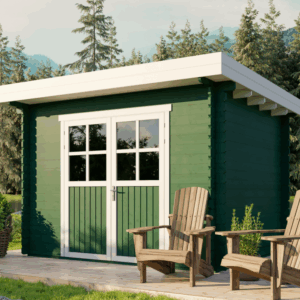
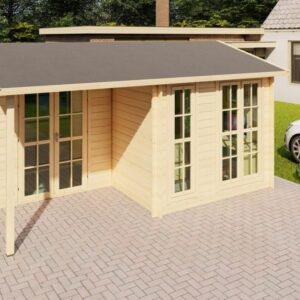
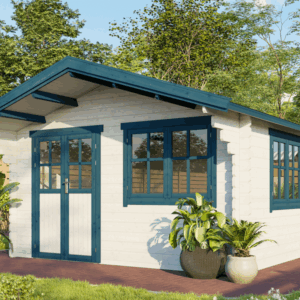
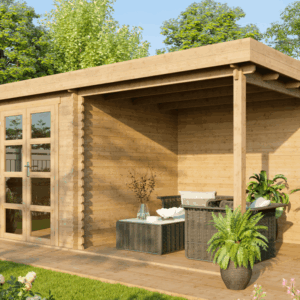
The allure of a log cabin extension is undeniable, especially for homeowners in Ireland seeking to expand their living space while embracing natural beauty and sustainable design. Whether you envision a tranquil garden office, a cozy guest suite, or a vibrant art studio, a well-planned log cabin addition can transform your property and enhance your lifestyle. This guide delves into the exciting possibilities of adding a log cabin extension to your house in Ireland, covering everything from initial considerations and design choices to planning permission and construction, ensuring your project is a resounding success.
Ireland’s landscape, with its rolling hills and charming rural settings, provides the perfect backdrop for a rustic yet modern log cabin extension. These structures offer a unique blend of warmth, character, and durability, making them an increasingly popular choice for homeowners looking for an alternative to traditional brick-and-mortar additions. Beyond aesthetics, log cabins often boast excellent insulation properties, contributing to lower energy bills and a more sustainable living environment, a significant consideration for environmentally conscious individuals.
The decision to add a log cabin extension is often driven by a growing need for more space, whether it’s for a growing family, a new home-based business, or simply a desire for a dedicated relaxation zone. Understanding the benefits and challenges involved is crucial for a smooth and successful project, from the initial spark of inspiration to the final coat of sealant. We’ll explore the multifaceted aspects of this exciting home improvement journey, equipping you with the knowledge to make informed decisions.
Exploring the Versatility of Log Cabin Extensions in Ireland
The primary appeal of a log cabin extension lies in its incredible versatility, adapting to a wide range of needs and desires. Imagine escaping the hustle and bustle of the main house to a dedicated garden office, fostering productivity and creativity in a serene setting. For those working remotely, this separation can be a game-changer, providing a clear distinction between professional and personal life and significantly improving work-life balance. Many find the natural light and calming ambiance of a wooden structure to be incredibly conducive to focus and inspiration.
Alternatively, a log cabin can serve as a charming and inviting guest suite, offering visitors a private and comfortable space that feels like a retreat. This is particularly beneficial for those who frequently host family and friends, allowing for a more enjoyable and less disruptive experience for everyone involved. Such an addition can also add significant value to your property, making it more attractive to potential buyers in the future.
Beyond practical uses, log cabins can also be transformed into creative studios, from art and music rooms to yoga and meditation spaces. The natural materials and connection to the outdoors often foster a sense of calm and inspiration, perfect for pursuing hobbies and passions. These spaces can become sanctuaries for self-expression and well-being, enriching your life in profound ways.
Planning Your Log Cabin Extension: Key Considerations for Irish Homeowners
Before embarking on your log cabin journey, thorough planning is paramount to ensure your project aligns with your needs, budget, and local regulations. Start by defining the primary purpose of your extension; will it be a habitable space requiring full insulation and plumbing, or a simpler garden room for storage or hobbies? This fundamental decision will influence design, materials, and ultimately, the cost. Understanding your exact requirements from the outset will prevent costly changes down the line.
Consider the size and scale of your proposed extension, ensuring it complements your existing home and garden without overwhelming the space. Think about the aesthetic harmony – how will the log cabin integrate with the architecture and landscaping of your property? A well-designed extension should feel like a natural extension of your home, not an afterthought. Taking detailed measurements and sketching out potential layouts is a crucial first step.
Budgeting is another critical aspect. While log cabins can be cost-effective compared to traditional builds, factors like timber quality, complexity of design, foundation work, insulation, and interior finishes will all contribute to the overall expense. Obtain detailed quotes from reputable suppliers and builders, and always factor in a contingency fund for unexpected costs. Transparency in pricing from the outset is a good indicator of a reliable supplier.
Choosing the Right Log Cabin Style and Materials
The aesthetic appeal of a log cabin lies in its natural materials, and Ireland’s diverse architectural landscape offers inspiration for various styles. You can opt for a traditional, rustic look with chunky, unrefined logs, or a more contemporary feel with milled logs and clean lines. The choice of wood is also important, with options like spruce, pine, and cedar offering different characteristics in terms of durability, insulation, and appearance. Research the properties of each to make an informed decision.
Consider the construction method. Most log cabins are built using either solid logs (where the walls are entirely made of stacked logs) or log-effect cladding (where a frame is clad with log-shaped materials). Solid log construction offers superior thermal insulation and that authentic log cabin feel, while log-effect cladding can be a more budget-friendly option. The longevity and insulation performance of the two methods are quite different, so understanding these nuances is key.
Furthermore, think about the finish. Will you opt for a natural, stained, or painted finish? Each will provide a different look and level of protection against the elements. Ensuring the wood is properly treated and sealed is vital for its longevity and to prevent issues like rot and insect infestation, particularly crucial in Ireland’s damp climate. Regular maintenance will be necessary to keep your log cabin looking its best.
Navigating Planning Permission for Log Cabin Extensions in Ireland
Understanding and complying with Irish planning regulations is a non-negotiable step in adding any extension to your home. While smaller garden structures might fall under exempted development, a habitable log cabin extension will almost certainly require planning permission from your local authority. Failing to obtain the necessary consent can lead to significant legal complications and costly rectifications.
The process typically involves submitting a detailed planning application that includes drawings of the proposed structure, its location on your property, and its dimensions. You’ll need to demonstrate how the extension complies with local development plans and any specific zoning regulations for your area. Engaging with an architect or planning consultant can be invaluable in ensuring your application is comprehensive and meets all requirements.
It’s advisable to consult with your local planning department early in the process to understand the specific requirements and potential challenges for your site. They can provide guidance on what information is needed and any potential restrictions. Being proactive can save you considerable time and effort in the long run. Many councils offer pre-application advice services that can be extremely helpful.
Understanding Exempted Development and When to Apply
In Ireland, certain small structures known as “exempted developments” do not require formal planning permission. However, the criteria for these are strict and usually apply to non-habitable structures like sheds or small workshops that are a certain size and distance from boundaries. For a log cabin intended for living, sleeping, or extensive use, it is highly probable that planning permission will be mandatory.
Generally, extensions that increase the floor area of your house, or structures that are intended for human habitation and have services like electricity and plumbing, will require a full planning application. It is always best to err on the side of caution and assume that planning permission will be needed. You can find detailed guidelines on exempted development on the Department of Housing, Local Government and Heritage website, but professional advice is often the safest route.
If your proposed log cabin extension is intended as a fully habitable space, such as a granny flat or a separate dwelling, the planning requirements will be more stringent. These types of developments often need to adhere to stricter building regulations regarding space, light, and ventilation, as well as potentially requiring separate septic tank and wastewater management plans. Thorough due diligence at this stage is essential.
The Construction Process: Building Your Dream Log Cabin Extension
Once planning permission is secured, the exciting phase of construction can begin. The process typically starts with preparing the site, which involves clearing the land and ensuring a stable foundation is laid. The type of foundation will depend on the size of your cabin and the ground conditions, but it’s crucial for the longevity and stability of your structure.
The log walls are then erected, piece by piece, with logs often interlocked or joined together using various techniques. This stage is where the characteristic look of your log cabin truly takes shape. Skilled craftsmen are essential for ensuring the logs are fitted correctly, creating a strong and weather-tight structure.
Following the erection of the walls, the roof is installed, followed by the fitting of windows and doors. The interior can then be finished to your specifications, whether it’s a simple, rustic feel or a more modern, insulated living space. This includes insulation, flooring, electrical work, and any plumbing requirements. Professional installation of these services is vital for safety and compliance.
Choosing the Right Builder for Your Log Cabin Project
Selecting a reputable and experienced builder is paramount to the success of your log cabin extension. Look for companies that specialize in log home construction and have a proven track record in Ireland. Ask for references and view examples of their previous work to assess the quality of their craftsmanship and attention to detail.
It’s essential to get a detailed written quotation that outlines all aspects of the project, including materials, labor, timelines, and payment schedules. Clear communication and a good working relationship with your builder will help ensure the project runs smoothly and any issues are addressed promptly and effectively. Don’t hesitate to ask questions and voice any concerns you may have throughout the process.
Consider whether you will opt for a pre-fabricated kit from a supplier or a bespoke design and build service. Both have their advantages. Pre-fabricated kits can offer cost savings and quicker assembly times, while bespoke builds allow for complete customization to your specific needs and property. Weigh up the pros and cons based on your priorities and budget.
Maintaining Your Log Cabin Extension for Longevity
Like any wooden structure, a log cabin extension requires regular maintenance to ensure its beauty and durability for years to come. The harsh Irish weather can take its toll, so protecting the wood from moisture and UV rays is essential. Regular inspection for any signs of wear, rot, or insect damage should be part of your maintenance routine.
This typically involves re-staining or re-sealing the logs periodically, usually every few years, depending on the product used and the exposure to the elements. Cleaning the exterior of the cabin to remove moss, algae, and dirt will also help preserve the wood. Ensure gutters and drainage are clear to prevent water from pooling around the base of the cabin.
Inspecting and maintaining the roof, windows, and doors is also crucial for preventing leaks and drafts. Proper ventilation within the cabin can help manage moisture levels and prevent the growth of mold and mildew. By investing a little time in regular upkeep, you can significantly extend the lifespan of your beautiful log cabin extension and keep it looking its best.
The Enduring Appeal of Log Cabin Extensions in Ireland
Adding a log cabin extension to your Irish home is more than just an expansion of space; it’s an investment in a lifestyle that embraces natural beauty, sustainability, and timeless charm. From creating a tranquil home office to a welcoming guest retreat, the possibilities are as vast as your imagination.
By carefully planning, navigating the planning process, choosing the right professionals, and committing to regular maintenance, you can ensure your log cabin extension becomes a cherished addition to your home, a sanctuary that enhances your daily life for decades to come. The warmth and character of natural wood, combined with thoughtful design, will undoubtedly create a space you’ll love spending time in.
Embrace the opportunity to bring a piece of nature closer to home and unlock the full potential of your property with a beautiful and functional log cabin extension. The enduring appeal of these structures lies in their ability to connect us with the natural world while providing modern comfort and style, making them an exceptional choice for homeowners across Ireland.
“`