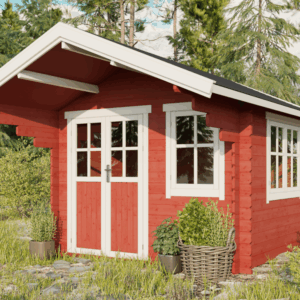
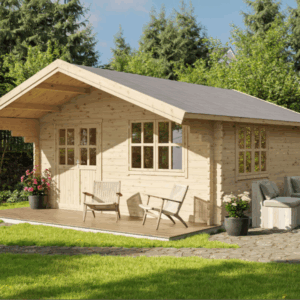
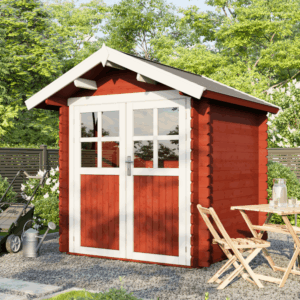
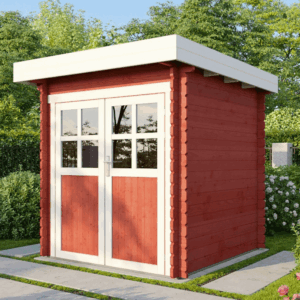
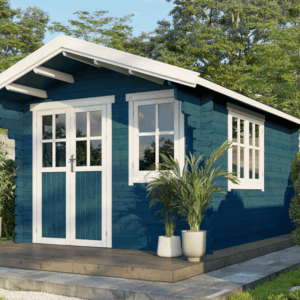
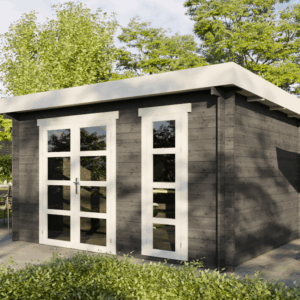
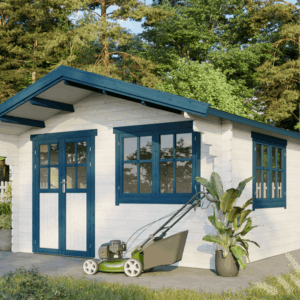
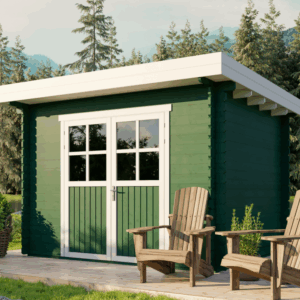
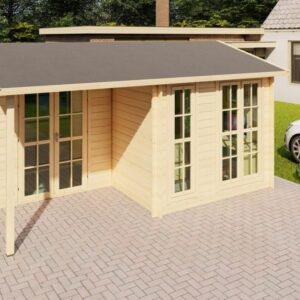
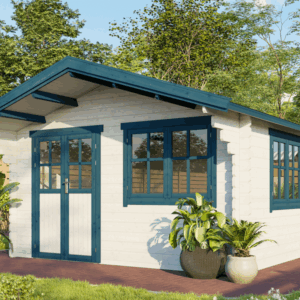
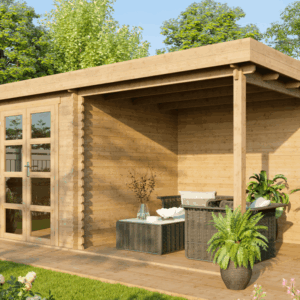
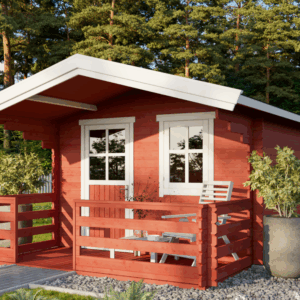
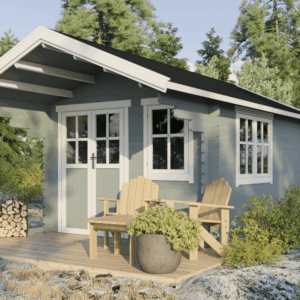
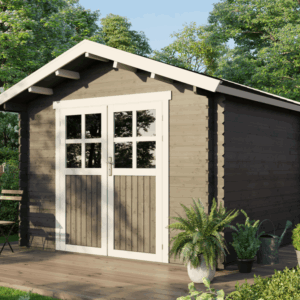
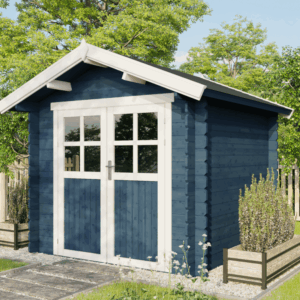
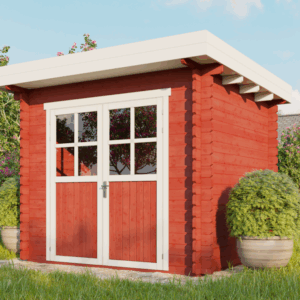
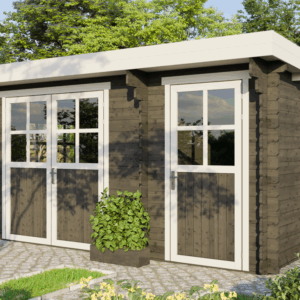
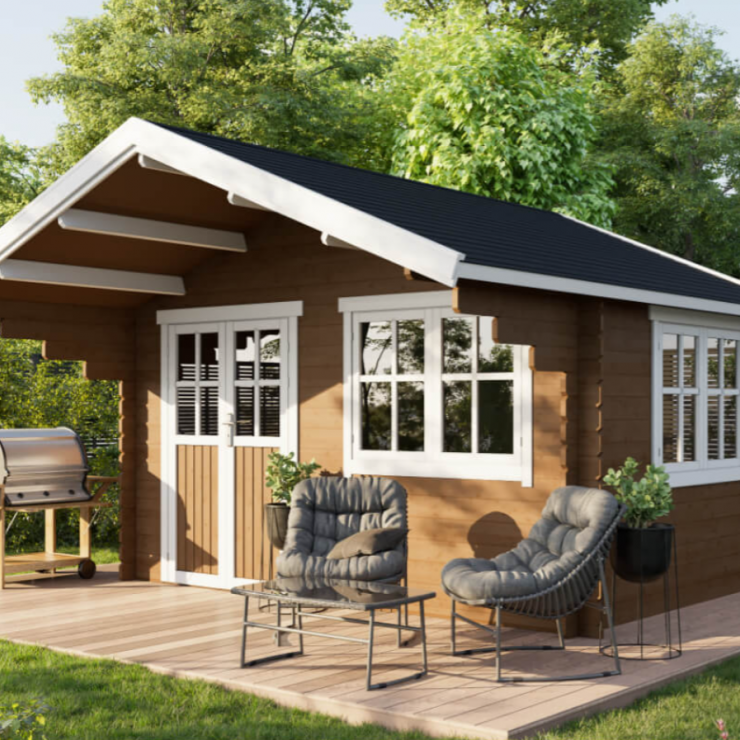
Imagine waking up to the scent of pine, the gentle crackle of a fire, and the breathtaking beauty of the Irish countryside right outside your window. For many, the idyllic image of a log cabin evokes a sense of rustic charm and connection to nature. However, in the often unpredictable Irish climate, a traditional log cabin might leave you feeling chilly and facing hefty heating bills. This is where the concept of an “insulated log cabin Ireland” truly shines, offering the best of both worlds: the timeless appeal of natural timber construction combined with modern, energy-efficient living.
This comprehensive guide will delve deep into what makes an insulated log cabin in Ireland a superior choice for those seeking a warm, comfortable, and environmentally conscious home. We’ll explore the crucial elements of insulation, the unique challenges and opportunities of building in Ireland, and how to achieve a stunning, high-performance log cabin that perfectly suits your lifestyle and the Emerald Isle’s distinctive character.
Why Choose an Insulated Log Cabin for Your Irish Home?
The allure of log cabins is undeniable, conjuring images of peaceful retreats and robust, natural aesthetics. When you add effective insulation to this equation, you unlock a level of comfort and practicality that elevates the log cabin experience significantly, especially in a place like Ireland with its often damp and breezy weather. An insulated log cabin provides superior thermal performance, meaning your home will stay warmer in winter and cooler in summer, drastically reducing your reliance on artificial heating and cooling systems.
Beyond comfort, the environmental benefits are substantial. By minimizing energy consumption, you reduce your carbon footprint, contributing to a more sustainable future. Furthermore, a well-insulated structure can increase the longevity of the timber itself, protecting it from the elements and ensuring your dream cabin stands the test of time. It’s a choice that benefits both your wallet and the planet.
The Cornerstones of Effective Log Cabin Insulation in Ireland
When we talk about “insulated log cabins Ireland,” the focus must be on the materials and techniques used to create a truly energy-efficient dwelling. The primary challenge is to maintain a consistent internal temperature despite external fluctuations, and this requires a multi-faceted approach to insulation. Unlike conventional brick-and-mortar homes, the structural logs themselves play a role, but they are rarely sufficient on their own in the Irish context.
The most common and effective strategy involves adding insulation layers to the exterior or interior of the log walls. This creates a thermal barrier that prevents heat from escaping in the winter and entering in the summer. The type of insulation used, its thickness, and how it’s installed are all critical factors in achieving optimal performance. Understanding these elements is the first step towards designing your dream insulated log cabin.
Understanding Different Insulation Methods
There are several proven methods for insulating log cabin walls, each with its own advantages and suitability for the Irish climate. Some homeowners opt for internal insulation, fitting a stud wall inside the log structure and filling the cavity with insulating material like sheep’s wool, mineral wool, or rigid foam boards. This preserves the external log aesthetic while providing excellent thermal performance.
Alternatively, external insulation is a popular choice, especially when you want to showcase the beauty of the log exterior. This involves applying a breathable membrane over the logs, followed by a layer of rigid insulation boards, and then a final cladding. This method offers a robust defence against the weather and can significantly improve the building’s overall thermal envelope. The choice between internal and external often depends on aesthetic preferences and budget constraints.
The Importance of Breathability and Moisture Management
In Ireland’s damp climate, moisture control is paramount for any building, and log cabins are no exception. An insulated log cabin must be designed to allow moisture vapour to escape from within the structure, preventing condensation build-up which can lead to rot and mould. This is where the concept of “breathability” becomes crucial in insulation choices and construction techniques.
Using vapour-permeable insulation materials and membranes is essential. This allows the building to “breathe,” releasing excess moisture without compromising the thermal performance. A well-designed ventilation system, often incorporating heat recovery ventilation (HRV) units, further aids in managing internal air quality and moisture levels, ensuring a healthy and comfortable living environment. Consulting with experienced log cabin builders who understand Irish building regulations and climate is highly recommended.
Designing Your Insulated Log Cabin: Key Considerations
Embarking on the journey to build an insulated log cabin in Ireland involves more than just selecting timbers and insulation. It requires careful planning, a deep understanding of local regulations, and a vision for how the cabin will integrate into its surroundings. Aesthetic appeal should be balanced with functional requirements to create a truly exceptional home.
The design process should prioritize energy efficiency from the outset. This means considering factors like the building’s orientation to maximize natural light and passive solar gain, the type and placement of windows and doors, and the overall building form. A well-designed insulated log cabin will not only look stunning but also perform exceptionally well year-round.
Log Profile and Thickness: More Than Just Aesthetics
The type of timber and the log profile chosen for your cabin significantly impact its insulating properties. While solid timber offers some inherent insulation, its effectiveness is enhanced when combined with dedicated insulation layers. Different log profiles, such as round logs or machined logs, have varying surface areas and sealing capabilities, influencing how well they retain heat and resist drafts.
The thickness of the logs also plays a role; thicker logs offer better thermal mass, helping to regulate internal temperatures. However, for true energy efficiency in Ireland, additional insulation will almost always be necessary. Many manufacturers offer specialized kiln-dried timbers which are more stable and less prone to shrinkage, a vital consideration for long-term structural integrity and airtightness.
Roof and Floor Insulation: Often Overlooked Essentials
While the focus is often on the log walls, effective insulation of the roof and floor is equally critical for an energy-efficient log cabin. A significant amount of heat can be lost through an uninsulated or poorly insulated roof, making this a prime area to address. Similarly, heat can escape downwards through the floor, especially in cabins built on stilts or with exposed foundations.
High-performance insulation in the roof, often in the form of thick layers of mineral wool or spray foam, is essential. For floors, options range from insulating between floor joists to using insulated concrete slab foundations. Paying close attention to these often-overlooked areas will dramatically improve the overall thermal performance and comfort of your insulated log cabin in Ireland.
Navigating Planning Permission and Building Regulations in Ireland
Building any new dwelling in Ireland, including an insulated log cabin, requires adherence to strict planning permission and building regulations. These regulations are designed to ensure safety, structural integrity, and energy efficiency. Understanding and complying with these requirements from the outset is crucial to avoid delays and complications.
Specifically, the Building Regulations Part L (Conservation of Fuel and Energy) will be a key focus for your insulated log cabin. This means demonstrating how your proposed design will meet stringent energy performance standards. Engaging with experienced professionals who are familiar with the Irish planning system and building codes is highly advisable.
Working with Local Authorities and Professionals
The process of obtaining planning permission can be complex, involving detailed site assessments, architectural drawings, and evidence of compliance with regulations. Working closely with your local authority’s planning department and engaging reputable architects or designers who specialize in timber construction can streamline this process. They can help you navigate the specific requirements for insulated log cabins.
Similarly, choosing a builder with proven experience in constructing energy-efficient log homes in Ireland is paramount. They will understand the nuances of the climate, the best insulation techniques, and how to ensure your cabin meets all necessary building standards. A good builder will guide you through every stage, from design to completion, ensuring a smooth and successful project.
Real-World Examples and Benefits of Insulated Log Cabins
The success stories of insulated log cabins across Ireland are growing, showcasing the viability and desirability of this unique housing solution. Homeowners are reporting significant savings on energy bills, a marked improvement in indoor comfort, and a deep satisfaction with their environmentally friendly homes. These cabins are not just holiday homes; many are becoming primary residences.
Consider families who have chosen to build insulated log cabins as their permanent homes, enjoying lower heating costs throughout the year and a healthier indoor environment free from drafts and temperature fluctuations. Others are creating high-end glamping pods or eco-lodges, attracting tourists seeking unique and sustainable accommodation experiences. The versatility and benefits are truly diverse.
Embracing a Sustainable Lifestyle
For many, the decision to build an insulated log cabin is driven by a desire to live more sustainably. The use of natural, renewable resources like timber, combined with a highly energy-efficient design, significantly reduces the environmental impact of a home. This aligns with a growing awareness of ecological responsibility and a desire to minimize one’s carbon footprint.
By investing in an insulated log cabin, you are choosing a home that is not only beautiful and comfortable but also a responsible choice for the future. It’s a testament to the fact that we can live in harmony with nature without sacrificing modern conveniences or comfort. The tangible benefits, from reduced energy bills to a healthier living space, make it a compelling proposition.
Your Dream Insulated Log Cabin in Ireland Awaits
Building an insulated log cabin in Ireland is an achievable dream that offers a unique blend of rustic charm, modern comfort, and environmental responsibility. By understanding the critical role of insulation, carefully considering design elements, and navigating the regulatory landscape with expert guidance, you can create a home that is both beautiful and highly functional.
The journey from envisioning your log cabin to stepping inside your completed, cozy dwelling is an exciting one. With the right approach, your insulated log cabin in Ireland will provide a warm, sustainable, and inviting sanctuary for years to come. Embrace the opportunity to live closer to nature without compromising on comfort or efficiency – your dream home awaits.
“`