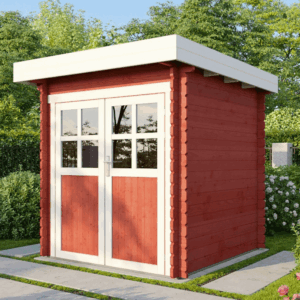
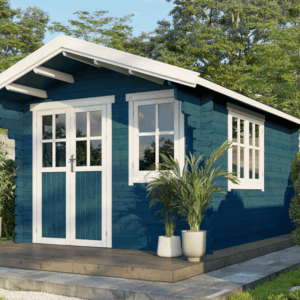
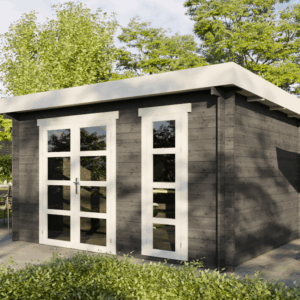
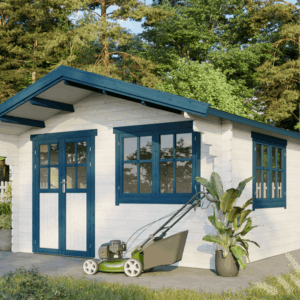
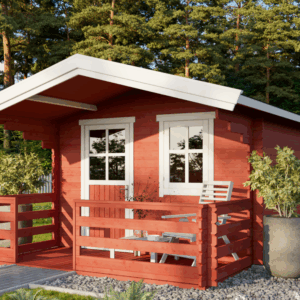
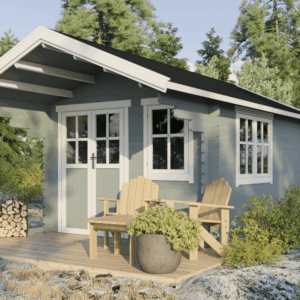
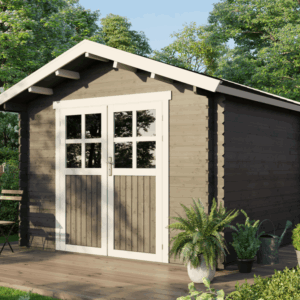
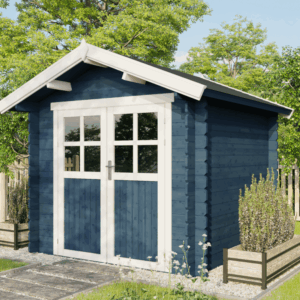
The allure of a self-build log cabin in Ireland is undeniable, conjuring images of cozy evenings by a crackling fire, surrounded by the warmth and natural beauty of timber. For many, it represents a cherished dream of escaping the ordinary, creating a unique sanctuary that perfectly reflects their personality and connection to the Irish landscape. This guide will delve into the intricacies of embarking on your own log cabin self-build journey across the Emerald Isle, offering insights, practical advice, and considerations to help turn your vision into a tangible reality.
Ireland’s stunning scenery, from rolling green hills to rugged coastlines, provides an idyllic backdrop for a log cabin. The idea of living in harmony with nature, embraced by the organic charm of wood, resonates deeply with those seeking a more sustainable and authentic lifestyle. However, a self-build project, especially one as significant as a log cabin, requires careful planning, diligent research, and a commitment to understanding the various stages involved. We’ll explore everything from initial design concepts and site selection to navigating planning permissions and the construction process itself.
This comprehensive exploration aims to equip you with the knowledge necessary to confidently approach your self-build log cabin project in Ireland. We’ll address common challenges, highlight potential rewards, and offer practical steps to ensure your journey is as smooth and rewarding as possible. Whether you’re envisioning a weekend retreat, a permanent family home, or a unique holiday rental, the dream of a self-build log cabin is achievable with the right preparation and dedication.
Understanding the Appeal: Why a Self-Build Log Cabin in Ireland?
The appeal of a self-build log cabin in Ireland stems from a potent combination of aesthetic, environmental, and lifestyle factors. Log cabins offer a distinct architectural style that complements the natural Irish environment, exuding a sense of rustic charm and timeless elegance. They provide a tangible connection to nature, a stark contrast to the often sterile feel of modern construction, fostering a sense of well-being and tranquility for their inhabitants.
Beyond aesthetics, the inherent sustainability of timber as a building material is a significant draw, particularly in an era of increasing environmental consciousness. Responsibly sourced timber is a renewable resource, and the construction process for log cabins can be less energy-intensive than traditional methods. This aligns with a growing desire to minimize one’s ecological footprint and embrace a more eco-friendly way of living.
The “self-build” aspect adds another layer of satisfaction and personalization. It allows individuals to imbue their home with their own unique character, making decisions about every detail from the timber species to the layout and interior finishes. This hands-on approach fosters a deep sense of ownership and pride, creating a dwelling that is truly a reflection of the owner’s vision and hard work.
Laying the Foundation: Planning and Design for Your Irish Log Cabin
The initial planning and design phase is arguably the most critical stage of any self-build log cabin project in Ireland. This is where your dream begins to take tangible form, and thorough consideration here can prevent costly mistakes and frustrations down the line. You’ll need to define your vision clearly: consider the size, style, number of rooms, and the overall aesthetic you desire, taking into account how the cabin will integrate with its surroundings.
Engaging with architects or designers experienced in log cabin construction is highly recommended. They can help translate your ideas into practical blueprints, ensuring structural integrity, energy efficiency, and compliance with Irish building regulations. Think about the specific features that are important to you – perhaps large windows to capture panoramic views, a spacious deck for outdoor living, or a particular type of log profile. This stage also involves considering the long-term functionality of the cabin as a home or retreat.
Budgeting is a crucial element of this initial planning. You need to establish a realistic financial framework, accounting for not just the cabin kit itself, but also site preparation, foundations, planning fees, potential professional services, and interior finishing. Obtaining quotes from various suppliers and understanding the full scope of costs involved will provide a solid financial roadmap for your self-build endeavor.
Choosing the Right Location: Site Selection in Ireland
Selecting the perfect location for your self-build log cabin in Ireland is paramount to both its aesthetic appeal and its practical livability. Consider the landscape – do you envision a secluded woodland setting, a picturesque rural vista, or perhaps a coastal retreat? The natural beauty of Ireland offers a wealth of stunning options, but each comes with its own set of considerations.
Think about accessibility and services. While a remote location can be appealing, you’ll need to ensure access for construction vehicles, deliveries, and eventually for yourselves and any visitors. The availability of essential services like water, electricity, and waste disposal will also be a significant factor, influencing the complexity and cost of your build. Researching local infrastructure and potential connection costs is vital during this stage.
Furthermore, understanding local zoning laws and potential planning restrictions is absolutely essential. Some areas may have specific guidelines regarding building types, sizes, or materials. Engaging with local planning authorities early on can save you considerable time and heartache, ensuring that your chosen site is suitable for your dream log cabin project.
Navigating the Bureaucracy: Planning Permission in Ireland
Obtaining planning permission for a self-build log cabin in Ireland can be a complex but necessary hurdle. The process requires a thorough understanding of the Irish planning system and the specific requirements of your local authority. It’s advisable to consult with a planning consultant or an architect experienced in this area to ensure your application is comprehensive and compliant.
Your application will typically need to include detailed site plans, architectural drawings, and a design statement that clearly outlines the proposed development and its impact on the surrounding environment. Demonstrating how your log cabin will be sympathetic to the local landscape and character is often a key factor in securing approval. Be prepared to provide detailed information about materials, drainage, and any potential environmental considerations.
The duration of the planning process can vary, so it’s wise to start this well in advance of any intended construction. Understanding the potential for objections from neighbours or community groups and preparing a robust response can also be beneficial. Patience and meticulous attention to detail are crucial when navigating the planning permission landscape in Ireland.
The Heart of the Matter: Log Cabin Construction Methods
When embarking on a self-build log cabin project in Ireland, understanding the various construction methods available is key to making informed decisions. The most common approach involves pre-fabricated log kits, which are manufactured off-site and then delivered for assembly. This method often streamlines the construction process and ensures a high degree of precision.
There are different types of log construction to consider, including solid log (where the walls are formed from large, interlocking logs) and timber frame (where logs are used for structural elements within a more traditional frame). Each method has its own advantages in terms of aesthetics, insulation, and construction time. Researching the properties of different wood species, such as spruce, pine, or cedar, is also important for durability, appearance, and cost.
A self-build can range from a completely DIY approach to a more hands-on role where you manage a team of professionals. Many companies offer full kits with detailed instructions, while others provide more extensive support, including on-site assistance. Deciding the level of involvement you desire will influence the supplier you choose and the overall cost and complexity of your project.
Foundations and Groundworks: Preparing Your Site
Before any logs are laid, robust foundations and meticulous groundworks are essential for the longevity and stability of your Irish log cabin. The type of foundation will depend on your site’s soil conditions, the size and weight of your cabin, and local building regulations. Common options include concrete strip foundations, raft foundations, or even pier foundations, each with its own installation process and cost implications.
Proper drainage is critical to prevent water ingress and potential structural damage. Ensuring your site is graded correctly to direct water away from the cabin is a fundamental step. This may involve installing drainage systems, such as French drains or soakaways, to manage surface and sub-surface water effectively, particularly important in Ireland’s often damp climate.
Excavation and site preparation also involve clearing vegetation, levelling the ground, and potentially bringing in aggregate to create a stable base. If your site has a significant slope, retaining walls might be necessary. Investing time and resources into these foundational elements will pay dividends in the long run, ensuring your log cabin stands firm against the elements for years to come.
The Log Cabin Kit: Understanding Your Materials
The log cabin kit forms the very essence of your self-build project, and understanding the materials involved is crucial for quality, durability, and aesthetics. Most log cabin kits in Ireland are made from sustainably sourced timber, with common choices including spruce, pine, and sometimes cedar. Each wood type offers distinct characteristics in terms of strength, natural resistance to decay, and visual appeal.
The profile of the logs themselves is another important consideration. Options range from round logs, offering a traditional rustic look, to planed or square logs, which can provide a more contemporary finish. The interlocking system, often a double tongue-and-groove or dovetail joint, is engineered for strength and weather resistance, ensuring a tight seal against the elements.
Beyond the main logs, the kit will typically include other essential components such as purlins, rafters, floor joists, and sometimes roof and floor insulation. The quality of these ancillary materials is just as important as the logs themselves in contributing to the overall integrity and comfort of your log cabin. Always inquire about the treatment of the timber, looking for options that enhance durability without compromising environmental credentials.
Assembly and Construction: Bringing Your Cabin to Life
The assembly and construction phase is where your self-build log cabin truly begins to take shape, transforming raw materials into a functional dwelling. For those undertaking a self-build, meticulous organization and adherence to the manufacturer’s instructions are paramount. It’s often recommended to have a skilled individual, or even a small team, present to guide the process, especially during the initial stages of log erection.
The process typically begins with the placement of the first course of logs onto the prepared foundation, ensuring they are perfectly level. Subsequent logs are then stacked and interlocked, creating the walls of your cabin. Careful attention to detail during this stage, particularly with the sealing between logs, is essential for preventing drafts and water ingress.
As the walls rise, the roof structure is installed, followed by the fitting of windows and doors. The interior framing for rooms, if applicable, is then completed. Many self-builders find immense satisfaction in this hands-on process, enjoying the tangible progress they make each day. However, it’s also a stage where professional help might be beneficial for specific tasks, such as roofing or complex joinery, to ensure safety and compliance.
Insulation and Weatherproofing: Ensuring Comfort in Ireland
Ensuring adequate insulation and weatherproofing is a non-negotiable aspect of building a comfortable log cabin in Ireland, given the country’s often unpredictable climate. While the inherent thermal mass of timber provides some natural insulation, supplementary measures are typically required to meet modern energy efficiency standards and keep your cabin warm and dry throughout the year.
Consider the insulation of your roof and floor, as these are significant areas where heat can be lost. Various insulation materials, such as mineral wool, rigid foam boards, or even natural options like sheep’s wool, can be employed. For the log walls themselves, the tightness of the interlocking system is crucial, but some builders opt for additional sealing products or even internal wall linings with integrated insulation for an extra layer of thermal performance.
Weatherproofing extends to all exposed elements, including the roof covering, windows, and doors. Choosing high-quality, weather-resistant materials for these components is vital. Regular maintenance, such as treating exterior timber with protective finishes and checking for any signs of wear or damage, will ensure your log cabin remains protected from the elements and retains its structural integrity and comfortable living environment.
Finishing Touches and Interior Design
Once the main structure of your self-build log cabin in Ireland is complete, the focus shifts to the interior design and finishing touches, bringing your personal style and comfort to the forefront. This is where the cabin truly transforms into a home, reflecting your individual taste and functional needs. Think about the overall ambiance you wish to create – rustic, modern, minimalist, or something entirely unique.
Flooring options can range from traditional wooden planks, complementing the log walls, to more modern materials like stone or tile in specific areas such as kitchens and bathrooms. Interior wall finishes can also be varied; while many choose to embrace the natural beauty of the exposed logs, others might opt for plastering or cladding in certain rooms for a different aesthetic or to integrate additional insulation.
The choice of lighting, furniture, and décor will play a significant role in shaping the atmosphere of your log cabin. Consider how natural light can be maximized through window placement and interior design. Creating cozy nooks, functional living spaces, and an inviting atmosphere will make your self-build log cabin a truly special place to inhabit and enjoy.
The Rewards of a Self-Build Log Cabin in Ireland
The journey of building your own log cabin in Ireland, while demanding, is ultimately a deeply rewarding experience that offers a unique lifestyle and a profound sense of accomplishment. The satisfaction of living in a home that you’ve personally conceived, planned, and helped to construct is immeasurable. This hands-on involvement fosters a unique connection to your dwelling and the surrounding landscape.
Owning a log cabin often signifies a move towards a more sustainable and nature-centric way of living, a conscious choice to embrace a slower pace and a deeper appreciation for the environment. The natural materials and the connection to the outdoors contribute to a sense of well-being and tranquility, offering a sanctuary from the stresses of modern life.
Furthermore, a self-build log cabin can be a valuable asset, offering potential for rental income as a holiday retreat or simply increasing in value over time. The unique character and charm of a log cabin often make it a desirable property. Ultimately, the greatest reward is the creation of a personal haven, a space that perfectly encapsulates your dreams and provides a lifetime of cherished memories in the heart of beautiful Ireland.
Conclusion: Your Log Cabin Dream Awaits
Embarking on a self-build log cabin project in Ireland is an ambitious yet incredibly fulfilling undertaking. From the initial spark of inspiration to the final brushstroke of paint, each stage presents unique challenges and immense rewards. The combination of Ireland’s breathtaking natural beauty and the timeless appeal of log construction creates an unparalleled opportunity to craft a truly special home.
By diligently planning, thoroughly researching your options, and approaching the process with passion and perseverance, your dream of a self-build log cabin can become a tangible reality. Remember to consult with professionals, understand the regulatory landscape, and embrace the hands-on nature of the project. The journey itself will be as memorable as the destination, culminating in a unique dwelling that stands as a testament to your vision and dedication.
As you stand on your own piece of Irish soil, ready to begin this exciting adventure, know that the path to your dream log cabin is paved with dedication, creativity, and the promise of a life lived closer to nature. The Emerald Isle is ready to welcome your unique timber sanctuary, offering a lifetime of peace, beauty, and cherished memories. Start planning today, and let the dream of your self-build log cabin in Ireland unfold.
“`