Imagine waking up to the gentle rustle of leaves, the scent of pine filling the air, and the cosy embrace of natural timber surrounding you. For many, the allure of a residential log cabin in Ireland is a powerful one, representing a lifestyle that is both grounded and aspirational. It’s a return to nature, a commitment to sustainability, and a unique way to experience the breathtaking beauty of the Emerald Isle. This guide is designed to take you on a journey, exploring the dream, the practicalities, and the sheer joy of owning your own log cabin sanctuary in Ireland.
Ireland, with its verdant landscapes, ancient woodlands, and dramatic coastlines, provides an idyllic backdrop for log cabin living. The connection between the natural world and the human spirit is palpable here, making it the perfect place to embrace a more rustic, yet comfortable, way of life. Whether you envision a secluded woodland retreat or a charming countryside home, the possibilities for a residential log cabin in Ireland are as diverse as the landscape itself.
This comprehensive exploration will delve into the key considerations for anyone contemplating this exciting venture. From understanding the different types of log cabins and their construction methods to navigating planning permission, sourcing the right materials, and envisioning the lifestyle, we’ve got you covered. Let’s embark on this journey together and discover how you can make your Irish log cabin dream a reality.
The Enduring Appeal of Log Cabin Living in Ireland
The romantic image of a log cabin often evokes feelings of peace, simplicity, and a deep connection to the earth. This appeal is amplified in Ireland, where a rich history of rural living and a profound appreciation for nature are woven into the national identity. Many are drawn to log cabins as an antidote to the stresses of modern life, seeking a more sustainable and mindful existence.
Beyond the aesthetic, log cabins offer a unique living experience. The natural insulation properties of timber contribute to a warm and inviting atmosphere, reducing energy consumption and heating bills. This inherent eco-friendliness aligns perfectly with a growing global consciousness towards sustainable housing solutions. Furthermore, the tactile nature of wood, its warmth and texture, creates a sensory experience that synthetic materials simply cannot replicate.
The prospect of building a home that is intrinsically linked to its surroundings is a powerful motivator. In Ireland, this means a home that harmonises with rolling hills, ancient forests, or windswept coastlines, offering unparalleled views and a constant reminder of the beauty that lies just outside your door. This sense of belonging to the landscape is a core component of the log cabin dream.
Understanding Your Log Cabin Options: From Kits to Bespoke Builds
When considering a residential log cabin in Ireland, the first crucial step is understanding the various construction methods and styles available. The market offers a spectrum of options, catering to different budgets, DIY aspirations, and desired levels of customisation. Each approach brings its own set of advantages and considerations for your dream home.
The most common and accessible option is the log cabin kit. These come pre-cut and often pre-treated, with detailed assembly instructions. Kits can range from basic structures to fully comprehensive packages that include windows, doors, and roofing materials. For those with some construction experience or a willingness to learn, a kit can offer a cost-effective way to build their own cabin.
Another popular choice is working with a specialist log cabin manufacturer who offers bespoke designs. This allows for complete customisation, from the size and layout of the cabin to the type of wood used and specific architectural features. While this option typically involves a higher investment, it ensures a truly unique and perfectly tailored home that meets all your individual needs and aesthetic preferences.
Log Types and Construction Methods: A Closer Look
The type of wood used significantly impacts the aesthetics, durability, and thermal performance of your log cabin. Common choices in Ireland include pine, spruce, and larch, each offering distinct characteristics. Pine and spruce are readily available and offer good insulation, while larch is naturally more durable and resistant to rot, making it an excellent choice for exposed locations.
The construction method itself is also vital. Solid log construction, where entire logs form the walls, is the traditional and most robust method, offering excellent thermal mass. Alternatively, milled logs, which are machine-cut for a more uniform appearance and tighter fit, are also popular. Some modern designs might incorporate timber frame construction with log cladding for a similar aesthetic but with different structural considerations.
Understanding the differences between round log, square log, and engineered logs is essential. Round logs offer a rustic, natural look, while square logs provide a more contemporary and streamlined finish. Engineered logs, made from laminated timber, offer greater stability and can be manufactured to precise specifications, often with superior insulation properties.
Navigating the Labyrinth of Planning Permission and Regulations
Embarking on the construction of a residential log cabin in Ireland necessitates a thorough understanding of planning permission and local building regulations. These processes are in place to ensure that new developments are safe, sustainable, and in harmony with their surroundings. Overlooking these crucial steps can lead to significant delays and potential legal complications.
The first port of call is your local authority’s planning department. They will be able to provide you with detailed guidelines and application forms. It is highly advisable to consult with them early in the process, even before finalising your cabin design. Understanding zoning regulations, environmental considerations, and any specific requirements for rural developments in your chosen area is paramount.
Factors such as the proposed location, the size and scale of the cabin, and its intended use will all influence the planning permission process. You may need to submit detailed site plans, architectural drawings, and potentially an environmental impact assessment. Engaging a local architect or planning consultant can be invaluable in navigating these complexities and ensuring a smooth application process.
Key Considerations for Planning Permission in Ireland
When submitting your planning application, be prepared to address several key areas. These often include site suitability, access and egress, drainage and waste management, and the visual impact of the cabin on the landscape. Demonstrating how your proposed cabin integrates with its environment is often a significant factor in the decision-making process.
For remote or rural locations, authorities may have specific concerns regarding infrastructure. This can include access to public services like water, electricity, and sewage disposal. You may be required to propose self-sufficient solutions such as private water wells, septic tanks, or renewable energy sources, which can further enhance the sustainable appeal of your log cabin.
The aesthetic integration of the cabin is also crucial. Authorities will want to see that the design respects the character of the local area. This might involve specifying certain roof materials, timber finishes, or landscaping designs that complement the natural Irish scenery. Proactive engagement and a well-thought-out proposal are your best allies in securing planning permission.
The Practicalities of Building and Maintaining Your Irish Log Cabin
Once planning permission is secured, the focus shifts to the practical aspects of construction and the ongoing maintenance required to keep your log cabin in pristine condition. Building a log cabin is a significant undertaking, but with careful planning and execution, it can be a rewarding experience. Regular maintenance is key to preserving the beauty and structural integrity of your natural home.
The construction phase will likely involve preparing the site, laying a solid foundation, and then assembling the log structure. Whether you opt for a DIY kit or a professional build, ensuring proper sealing and weatherproofing is critical. This protects the timber from the elements and prevents issues like rot and insect infestation.
Ongoing maintenance typically involves re-staining or sealing the exterior timber every few years, depending on the climate and the type of finish used. Regular inspections for any signs of wear and tear, such as loose logs, damaged seals, or pest activity, are also essential. Addressing minor issues promptly can prevent them from escalating into larger, more costly problems.
Expert Tips for Log Cabin Construction and Care
When choosing your log cabin supplier, research their reputation and inquire about the quality of the timber and the manufacturing process. Opting for kiln-dried timber can help minimise shrinkage and warping, ensuring a more stable and durable structure. Consider the insulation properties of the logs themselves and whether additional insulation might be beneficial in certain areas.
For maintenance, investing in high-quality wood preservatives and sealants is crucial. Look for products specifically designed for log homes and follow the manufacturer’s instructions carefully. Proper ventilation within the cabin is also important, as it helps to regulate moisture levels and prevent condensation, which can lead to timber decay.
Consider the integration of modern amenities. While embracing a rustic lifestyle, you’ll likely want the comforts of contemporary living. This includes ensuring efficient plumbing, electrical systems, and potentially renewable energy solutions like solar panels. Careful planning during the construction phase will make the integration of these services seamless.
Embracing the Lifestyle: The Joys of Log Cabin Living in Ireland
Beyond the bricks and mortar (or rather, logs and timber), the true essence of a residential log cabin in Ireland lies in the lifestyle it enables. It’s about reconnecting with nature, enjoying a slower pace of life, and savouring the simple pleasures that often get overlooked in our busy modern world.
Imagine spending your evenings by a crackling fireplace, the scent of woodsmoke filling the cosy interior, while the Irish rain patters gently on the roof. Or picture waking up to the sight of deer grazing in your garden, the mist lifting to reveal a panorama of rolling hills. This intimate connection with the natural world is a profound source of peace and well-being.
Log cabin living in Ireland also fosters a sense of community. Many log cabin developments, even those that are secluded, have a friendly and neighbourly spirit. Sharing stories, gardening tips, or simply enjoying a cup of tea with neighbours becomes a cherished part of the daily rhythm. It’s a return to a more connected and grounded way of living.
Creating Your Personal Rustic Sanctuary
Personalising your log cabin to reflect your style and needs is a key part of the experience. Whether you favour a minimalist, Scandinavian aesthetic or a more traditional, cosy feel, the natural beauty of the timber provides a perfect canvas. Think about natural materials for your furnishings, earthy tones, and perhaps some carefully chosen Irish crafts to add character.
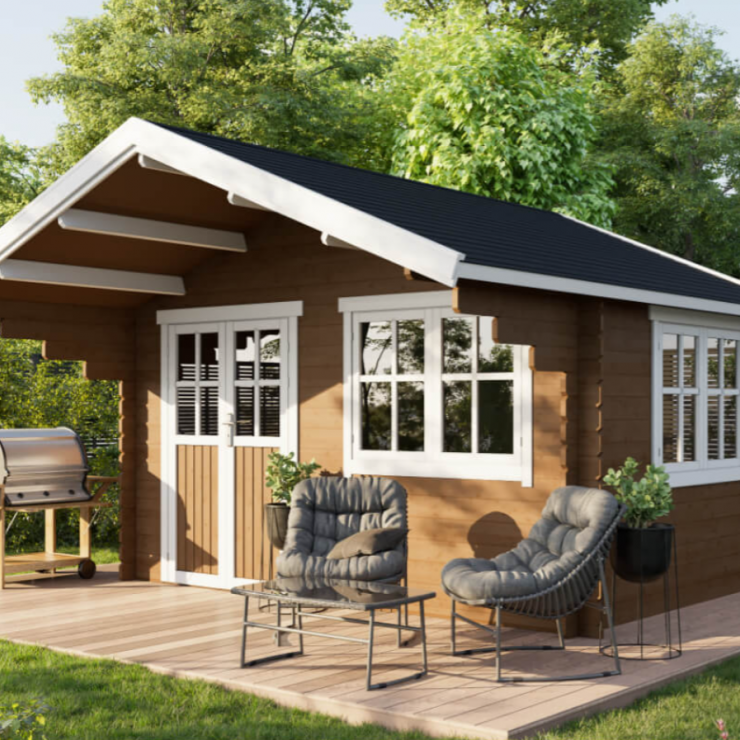
The surrounding land offers a wealth of opportunities for outdoor living. Imagine creating a beautiful garden, a vegetable patch, or a tranquil seating area where you can soak in the stunning Irish scenery. Outdoor entertaining becomes a joy, with BBQs on the deck and al fresco dining under the stars.
Ultimately, owning a residential log cabin in Ireland is more than just owning a house; it’s about investing in a lifestyle that prioritises peace, nature, and a genuine connection to the world around you. It’s an opportunity to build not just a home, but a sanctuary, a place where you can truly unwind, recharge, and live life at its most authentic.
The dream of a residential log cabin in Ireland is within reach. By understanding the options, navigating the regulations, and embracing the unique lifestyle, you can create a haven that is both beautiful and deeply fulfilling. Your rustic retreat in the heart of the Emerald Isle awaits.
“`