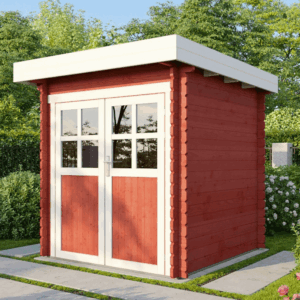
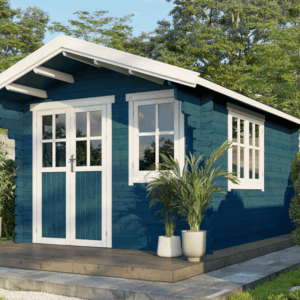
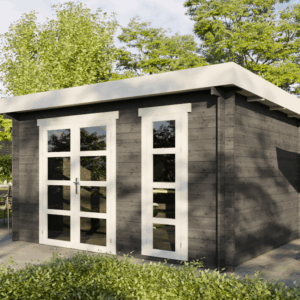
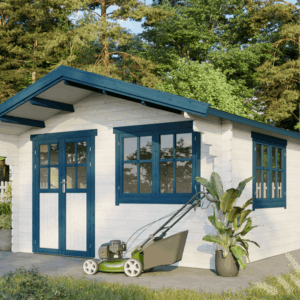
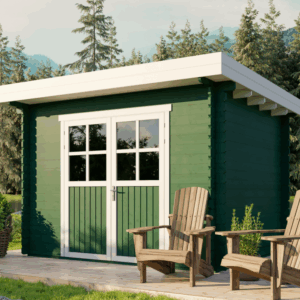
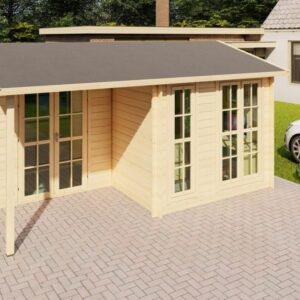
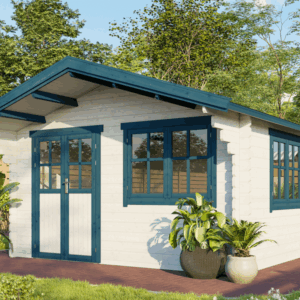
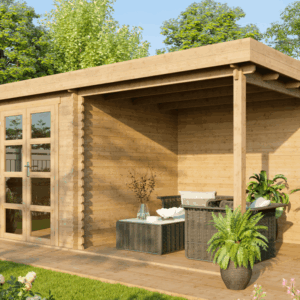
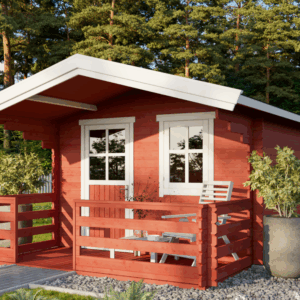
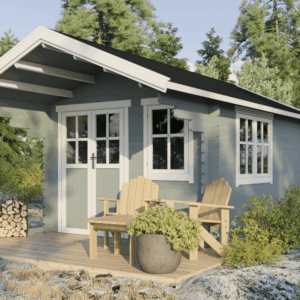
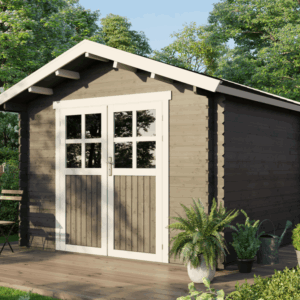
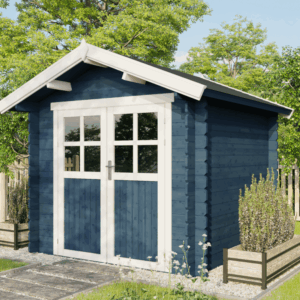
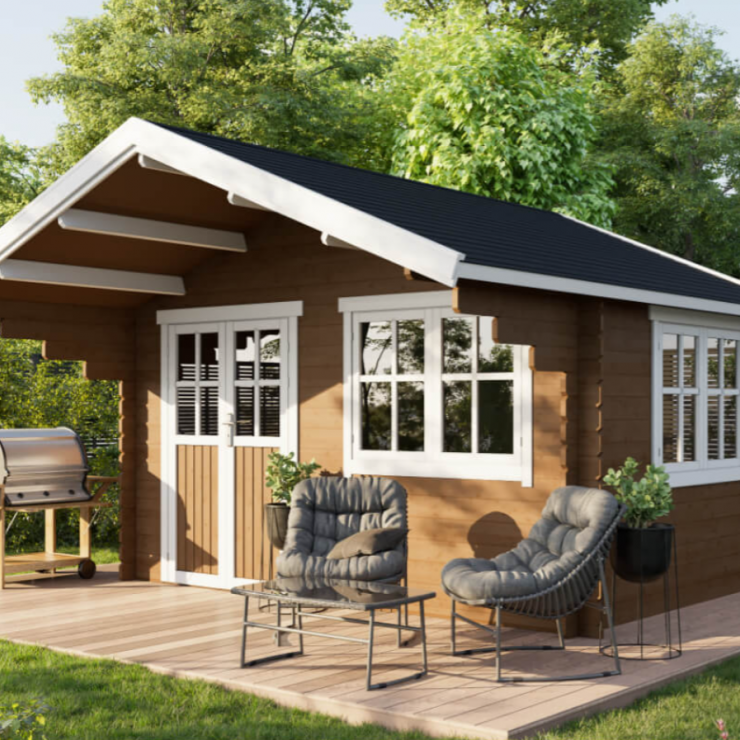
Imagine waking up to the scent of pine and the gentle rustle of leaves, with breathtaking Irish landscapes as your backdrop. The allure of owning a log house in Ireland is undeniable, blending rustic charm with modern comfort. Whether you’re seeking a peaceful retreat, a family home, or an investment opportunity, this guide will navigate you through the exciting journey of buying or building your dream log home in the Emerald Isle.
The notion of a log house evokes images of cozy evenings by the fire, the natural beauty of timber, and a connection to nature that is increasingly sought after. Ireland, with its stunning natural beauty and rich cultural heritage, offers a unique and idyllic setting for such a dwelling. This post is designed to be your comprehensive resource, addressing everything from initial considerations to the practicalities of making your log house dream a reality.
From the Wild Atlantic Way to the rolling hills of the midlands, Ireland provides a diverse range of picturesque locations perfect for a log house. The choice of setting can significantly impact your lifestyle and the overall experience of owning a timber home. We’ll explore how to find the right spot and what to consider when it comes to site suitability and local regulations.
Why Choose a Log House in Ireland?
The appeal of a log house in Ireland extends beyond its aesthetic. These homes offer a unique blend of natural warmth, excellent insulation properties, and a distinct character that stands out from traditional brick-and-mortar constructions. The natural materials used in log homes often contribute to a healthier indoor environment, free from many of the synthetic chemicals found in conventional building materials. This focus on natural living resonates deeply with many people looking to escape the hustle and bustle of modern life.
Furthermore, log houses possess an inherent rustic beauty that complements the dramatic and often rugged landscapes of Ireland. The exposed timber creates a cozy and inviting atmosphere, making it an ideal sanctuary. Many homeowners find that living in a log house fosters a greater appreciation for nature and a slower pace of life, aligning perfectly with the tranquil Irish countryside. The inherent sustainability of timber as a building material also appeals to the environmentally conscious buyer.
The sense of tradition and timelessness associated with log homes is also a significant draw for those seeking a unique property. Unlike fleeting architectural trends, a well-built log house ages gracefully, developing a patina that enhances its character over time. This enduring quality makes it a worthwhile investment for generations to come. The tactile experience of touching natural wood also adds a sensory dimension to living in a log house.
Finding Your Perfect Location: Ireland’s Log House Hotspots
Ireland offers a kaleidoscope of potential locations for your log house, each with its unique charm and lifestyle opportunities. Coastal areas, such as those along the Wild Atlantic Way in counties like Galway, Clare, and Kerry, provide dramatic sea views and a constant connection to the ocean. These locations are perfect for those who love water sports, bracing walks, and the ever-changing moods of the Atlantic.
For those who prefer a more pastoral setting, the rolling green hills and tranquil lakes of the Irish midlands, in counties like Westmeath, Longford, and Offaly, offer a serene escape. These areas are ideal for nature lovers, gardeners, and those seeking peace and quiet. The accessibility to charming rural villages and the strong sense of community in these regions are also significant advantages.
The lush landscapes of counties Wicklow and Carlow, often referred to as the “Garden of Ireland,” present a beautiful blend of mountains, forests, and fertile farmland. This region offers a slightly milder climate and is perfect for those who enjoy hiking, cycling, and exploring historical sites. The proximity to Dublin also makes it a viable option for those who need to commute occasionally.
The Buying Process: What You Need to Know
Purchasing a log house, whether existing or to be built, involves a series of crucial steps. Understanding the legalities, financing options, and potential challenges is paramount to a smooth transaction. It’s advisable to engage with local legal professionals and estate agents who have experience with non-traditional property types.
If you’re buying an existing log home, thorough inspections are essential. This includes checking the structural integrity of the logs, the condition of the roof, plumbing, and electrical systems. Unlike conventional homes, log houses require specific maintenance considerations to prevent issues like rot, insect infestation, and weathering. A specialist inspection by someone experienced in timber structures is highly recommended.
For those planning to build, securing land is the first hurdle. Researching local planning regulations and zoning laws is critical, as some areas may have specific restrictions on the types of dwellings permitted. Engaging with an architect or log home specialist early in the process can help navigate these complexities and ensure your design meets all requirements.
Building Your Log House: Design and Construction
The construction of a log house is a specialized field, and choosing the right builder is of utmost importance. There are various construction methods, including full scribe, post and beam, and kit homes, each with its own advantages and cost implications. Your choice will depend on your aesthetic preferences, budget, and desired level of involvement.
Full scribe construction involves fitting logs precisely against each other, creating a solid, well-insulated wall. Post and beam construction uses a frame of large timbers to support the structure, with the gaps filled in with other materials. Log home kits offer a more streamlined approach, with pre-cut logs and components delivered to your site, often reducing construction time and labor costs.
When it comes to design, consider the natural environment. Large windows can maximize natural light and offer stunning views, while the orientation of the house can optimize passive solar heating. Think about the functionality of the space, incorporating features that enhance the log house experience, such as a central fireplace and open-plan living areas.
Log House Styles and Materials
Log houses come in a variety of styles, from traditional rustic cabins to more contemporary designs. The type of wood used can also significantly impact the look and feel of your home. Common choices include pine, cedar, and oak, each offering different characteristics in terms of durability, appearance, and cost.
Pine is a popular and affordable choice, known for its strength and natural beauty. Cedar offers excellent natural resistance to decay and insects, making it a durable option, though it can be more expensive. Oak is a very strong and long-lasting timber, but its density can make it more challenging to work with and more costly.
The profile of the logs themselves also varies, from round logs to D-logs (flat on the inside, round on the outside) and chinked logs (gaps between logs filled with a material). Each profile offers a distinct aesthetic and different insulation properties, so it’s important to discuss these options with your builder.
Insulation and Energy Efficiency
Log houses are naturally well-insulated due to the thermal mass of the timber, but proper sealing and additional insulation can further enhance their energy efficiency. The interlocking nature of well-constructed log walls creates a robust barrier against the elements, reducing the need for excessive heating.
Consider the use of high-quality sealants and chinking to prevent air leaks, which are crucial for maintaining a comfortable interior temperature and reducing energy bills. Modern log home construction often incorporates advanced insulation techniques, such as insulating foundations and roofs, to meet contemporary energy performance standards.
Exploring renewable energy options, such as solar panels or geothermal heating systems, can further enhance the sustainability and cost-effectiveness of your log house in Ireland. This holistic approach to energy management ensures your home is both comfortable and environmentally responsible.
Navigating Planning Permission and Regulations
Obtaining planning permission for a log house in Ireland can sometimes be more complex than for a traditional build. Local authorities may have specific requirements and aesthetic considerations for rural and scenic areas. Thorough research and engagement with the relevant planning departments are crucial.
It is highly recommended to work with an architect or planning consultant who understands the nuances of building regulations in Ireland, especially for alternative building methods. They can help ensure your plans are compliant and address any potential concerns the local council might have. Early consultation can save time and prevent costly revisions later in the process.
Be prepared to provide detailed plans, site surveys, and potentially environmental impact assessments, depending on the location and scale of your project. Understanding the specific needs of your chosen local authority, such as in County Donegal or County Mayo, will be beneficial.
Financing Your Irish Log House Dream
Securing financing for a log house can be different from obtaining a mortgage for a conventional property. Some lenders may be more hesitant to finance non-standard builds, so it’s essential to research and approach banks with experience in self-build or timber-frame projects.
Clearly presenting your plans, building contracts, and a detailed budget to potential lenders is crucial. Many log home manufacturers offer financing options or can guide you through the process of securing a loan. Having a substantial deposit can also significantly improve your chances of approval.
Consider seeking advice from mortgage brokers who specialize in non-traditional home loans. They can help you navigate the market and find lenders who are more receptive to financing log house constructions. This proactive approach can prevent unnecessary delays in your project.
Maintenance and Care for Your Log Home
Owning a log house comes with the responsibility of ongoing maintenance, but this is often outweighed by the unique rewards. Regular inspections, cleaning, and re-staining are key to preserving the beauty and integrity of your timber home for years to come.
Keep an eye out for any signs of moisture, insect activity, or log damage. Promptly addressing minor issues can prevent them from escalating into significant problems. The natural materials require a different approach to maintenance than conventional homes, so educating yourself on best practices is vital.
Using high-quality sealants and finishes specifically designed for log homes will protect your property from the elements and maintain its aesthetic appeal. Consulting with your builder or a log home maintenance specialist can provide tailored advice for your specific home and climate.
The journey to owning a log house in Ireland is filled with exciting possibilities. By understanding the process, seeking expert advice, and embracing the unique qualities of timber construction, you can turn your dream of a rustic Irish retreat into a beautiful reality. The timeless charm and connection to nature that a log house offers make it an investment in both property and lifestyle.
“`
Looking for services in Carlow? You may also like: Flower Delivery 24 | Turbines Ireland.