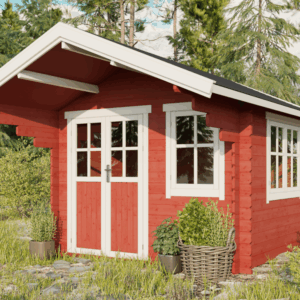
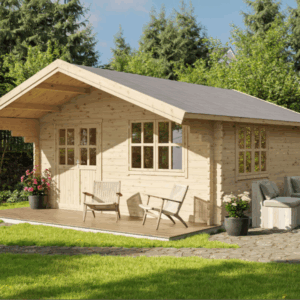
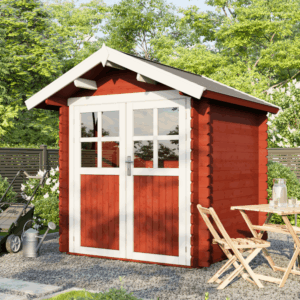
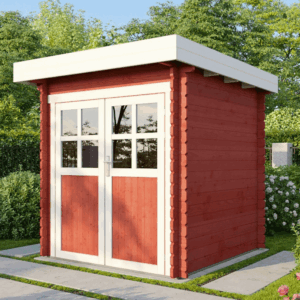
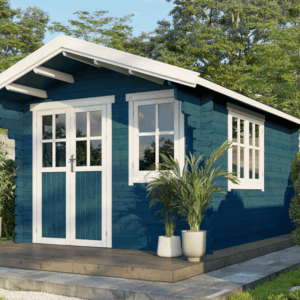
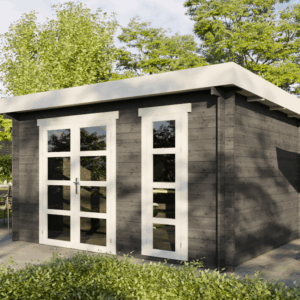
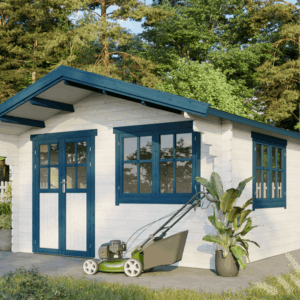
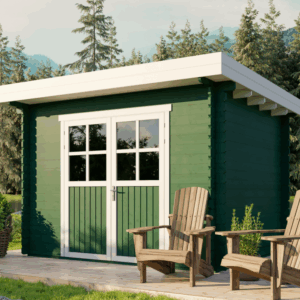
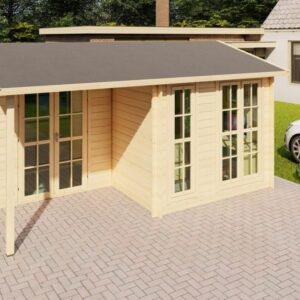
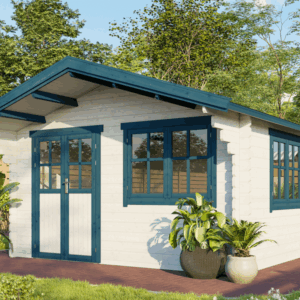
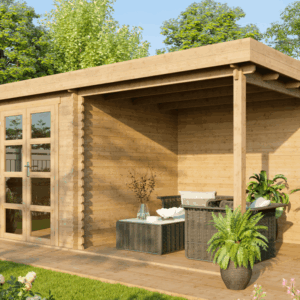
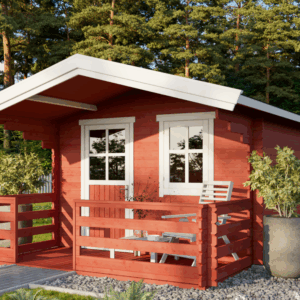
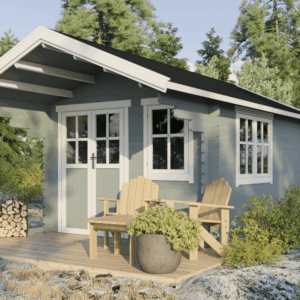
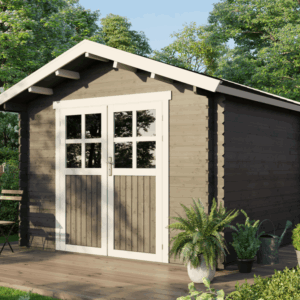
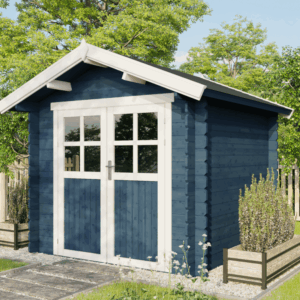
Imagine waking up to the scent of pine, sunlight streaming through your windows, and the comforting embrace of natural timber surrounding you. This isn’t just a fairytale; it’s the reality of living in a residential log home in Ireland. As interest in sustainable, beautiful, and uniquely characterful homes continues to grow, log cabins are emerging as a compelling choice for those seeking a retreat from the ordinary. This comprehensive guide delves deep into the world of residential log homes Ireland, exploring their appeal, practicalities, and what you need to know to make your dream a reality.
The Enduring Charm of Log Homes in the Irish Landscape
Ireland’s breathtaking natural beauty, with its rolling green hills, rugged coastlines, and ancient forests, provides the perfect backdrop for the rustic elegance of a log home. These structures are more than just buildings; they are an extension of the natural environment, blending seamlessly into the picturesque surroundings. The warmth and tactile appeal of natural wood evoke a sense of peace and connection to the earth, offering a sanctuary from the fast pace of modern life. This timeless aesthetic has a way of resonating with people seeking a more authentic and grounded living experience.
Beyond aesthetics, the inherent sustainability of timber construction aligns perfectly with Ireland’s growing environmental consciousness. Wood is a renewable resource, and the building process for log homes often involves significantly less energy consumption compared to conventional methods. This makes them an attractive option for eco-aware individuals who wish to minimize their carbon footprint. The natural insulation properties of timber also contribute to energy efficiency, potentially leading to lower heating bills.
The concept of “hygge,” the Danish and Norwegian word for a cozy and content state of being, is often associated with log homes. The natural materials, the scent of wood, and the inherent warmth create an atmosphere conducive to relaxation, family gatherings, and a general sense of well-being. Many who choose to build a log home in Ireland are looking for this profound sense of comfort and tranquility, a personal haven away from the stresses of everyday life.
Is a Log Home Right for You in Ireland? Considerations and Benefits
Deciding to build a residential log home is a significant undertaking, and understanding its unique characteristics is crucial. Log homes offer a distinct living experience characterized by natural beauty, a cozy atmosphere, and a strong connection to the environment. However, they also come with specific maintenance requirements and building considerations that differ from traditional brick-and-mortar structures. It’s important to weigh these factors carefully to ensure it aligns with your lifestyle and expectations.
One of the primary benefits of a log home is its inherent aesthetic appeal. The natural grain and texture of the wood create a warm and inviting ambiance that is difficult to replicate with other materials. This unique character can make your home stand out and become a true conversation piece. Furthermore, the solid construction of a log home can offer excellent sound insulation, providing a peaceful and quiet living environment.
From an environmental perspective, timber is a renewable resource, and the construction of log homes can be more sustainable than traditional methods. Properly sourced and treated timber can also be highly resistant to pests and decay, ensuring the longevity of your home. The natural insulating properties of logs contribute to energy efficiency, potentially leading to reduced heating costs, especially in the often cooler Irish climate.
Types of Log Home Construction in Ireland
When embarking on the journey of building a residential log home in Ireland, understanding the different construction methods available is paramount. Each approach offers unique characteristics in terms of appearance, durability, and construction process, influencing the overall aesthetic and structural integrity of your home. Selecting the right method will be a key decision in bringing your vision to life.
Solid Log Construction
Solid log construction is the most traditional and iconic method. This involves stacking carefully milled logs horizontally, interlocking them at the corners. The logs themselves form the structural walls of the house, providing a substantial and visually striking presence. This method emphasizes the natural beauty and character of the wood, showcasing its unique grain patterns and variations. It’s a method that speaks to the authentic log cabin experience many people envision.
There are variations within solid log construction, including full-scribe and chinked styles. Full-scribe involves precisely fitting each log to the one below it, creating a tight seal without the need for infill material. Chinked construction, on the other hand, leaves a gap between the logs, which is then filled with a material called “chinking” – historically natural substances like moss and mud, but now often a more modern, flexible sealant. This adds a different visual texture and can offer additional insulation.
Timber Frame Construction
Timber frame construction utilizes a structural frame made from large, precisely engineered timber posts and beams, with the spaces between filled with conventional insulation and sheathing. This method allows for a wider range of architectural designs and can accommodate larger open-plan living spaces. While the visible timber elements still provide a warm and natural aesthetic, the structural integrity comes from the frame rather than the solid logs forming the walls.
This approach often offers greater flexibility in terms of window and door placement and can be more adaptable to modern architectural styles. It also allows for a higher degree of insulation within the wall cavities, which can be advantageous for energy efficiency in the Irish climate. The exterior can be finished in various ways, including exposed timber, cladding, or even traditional render, offering a blend of rustic charm and contemporary design.
Navigating Planning Permission for Log Homes in Ireland
Securing planning permission for a residential log home in Ireland is a crucial step, and understanding the process is vital to avoid potential delays or complications. While log homes are becoming more accepted, local authorities may have specific considerations regarding their appearance and integration into the existing landscape. Early engagement with your local planning authority is highly recommended to understand their requirements and guidelines.
One of the key aspects of the planning process will involve demonstrating how your proposed log home will complement the surrounding environment. This might include submitting detailed site plans, elevations, and material specifications that show an understanding of local vernacular and landscape character. Architects or designers experienced in log home construction can be invaluable in preparing a strong planning application that addresses these concerns effectively.
It’s also important to consider any specific building regulations that apply to log homes in Ireland, particularly concerning structural integrity, fire safety, and energy efficiency. Reputable log home suppliers will be well-versed in these regulations and can assist you in ensuring your design meets all necessary standards. Thorough documentation and clear communication with planning officials will pave the way for a smoother approval process.
Choosing the Right Wood for Your Irish Log Home
The type of wood you select for your residential log home in Ireland will significantly impact its aesthetic, durability, and maintenance requirements. Different timber species possess unique characteristics, each offering a distinct look and feel. Understanding these differences will empower you to make an informed choice that aligns with your vision and the local climate.
Pine: The Popular and Versatile Choice
Pine is a very popular choice for log homes worldwide, and for good reason. It’s widely available, relatively affordable, and offers a beautiful, warm aesthetic. Pine logs are also easier to work with, which can translate to lower construction costs. When properly treated and maintained, pine can offer excellent durability and resistance to pests.
The natural beauty of pine, with its characteristic knots and grain patterns, lends itself perfectly to the rustic charm of a log home. It takes stains and finishes very well, allowing for a range of aesthetic possibilities. For many, the inviting scent and visual warmth of pine create the quintessential log cabin experience they desire.
Spruce: A Durable and Stable Option
Spruce is another excellent choice for log homes, known for its strength, stability, and good insulating properties. It has a straighter grain than pine, which can contribute to a cleaner, more uniform appearance. Spruce is also quite dense, making it a durable option that holds up well against the elements.
The stability of spruce is a significant advantage, as it tends to shrink and swell less than some other wood species, minimizing the risk of settling and air leaks over time. This makes it a reliable choice for constructing a long-lasting and weather-resistant home in the varied Irish climate. Its natural resistance to decay also contributes to its longevity.
Other Timber Options
While pine and spruce are commonly used, other timber species can also be suitable for residential log homes in Ireland, depending on availability and specific requirements. Larch, for instance, is a highly durable and naturally rot-resistant hardwood that is well-suited to outdoor use and can offer exceptional longevity. Cedar is another premium option, known for its beautiful color, natural insect resistance, and pleasant aroma, though it can be more costly.
The key is to select wood that is sustainably sourced, properly dried, and treated to withstand the specific environmental conditions of Ireland, including its humidity and rainfall. Consulting with experienced log home builders and suppliers will provide valuable insights into the best timber options available locally and their suitability for your project.
Building Your Dream Log Home: The Process
Embarking on the construction of a residential log home in Ireland is an exciting journey that requires careful planning and execution. From initial design concepts to the final finishing touches, each stage plays a vital role in bringing your envisioned sanctuary to life. Understanding the typical process will help you navigate this rewarding experience with confidence and clarity.
Design and Planning
The initial phase involves translating your dreams into tangible plans. This is where you collaborate with architects, designers, or log home specialists to create a blueprint that reflects your lifestyle, aesthetic preferences, and the unique characteristics of your chosen site. Consideration will be given to the size, layout, number of rooms, and the overall style of your log home, ensuring it meets both your functional needs and your desired ambiance.
This stage also includes crucial site analysis, understanding the terrain, orientation for sunlight, and any potential environmental factors. Reputable log home companies often offer pre-designed plans that can be customized, or they can work with you from the ground up to create a bespoke design. Thorough architectural drawings and structural engineering calculations are essential for the planning permission application and for guiding the construction process accurately.
Foundation and Base Construction
Once the design is finalized and planning permission is secured, the focus shifts to the foundation. A strong and stable foundation is the bedrock of any home, and for log homes, this is particularly important to ensure proper support and to prevent moisture ingress. Common foundation types include concrete slab, crawl space, or basement, chosen based on site conditions, local building codes, and design requirements.
The foundation must be precisely constructed to match the specifications of the log home design. It provides the base upon which the logs will be laid and ensures the structure is level and secure. Proper drainage around the foundation is also critical to protect the timber from prolonged exposure to moisture, which is essential for the longevity of your log home in Ireland’s climate.
Log Wall Construction and Assembly
This is arguably the most visually exciting part of the process – seeing your log home take shape. The milled logs are transported to your site and carefully assembled according to the design. Whether using a kit or a custom-built approach, the logs are meticulously fitted and secured, creating the distinctive solid walls of your home. Skilled craftsmanship is paramount at this stage to ensure a tight seal and structural integrity.
The method of interlocking the logs at the corners, such as saddle notch or dovetail joints, adds to the aesthetic and structural robustness. Sealing agents and fasteners are used to ensure a secure and weather-tight structure. This phase often proceeds relatively quickly due to the pre-milled nature of the logs, allowing for rapid progress on-site.
Roofing, Windows, and Doors
With the log walls in place, attention turns to enclosing the structure. The roof system is installed, providing protection from the elements and contributing to the overall aesthetic. Various roofing materials are available, from traditional shingles to more modern options, chosen to complement the log home’s style and meet local building requirements. High-quality, energy-efficient windows and doors are then fitted, ensuring both security and thermal performance.
The selection of windows and doors is crucial for maintaining the warmth and comfort of your log home. Double or triple glazing, along with good sealing, will significantly reduce heat loss and enhance energy efficiency. These elements also play a key role in the visual appeal of the exterior, so careful consideration should be given to their style and placement.
Interior Finishing and Utilities
The final stages involve completing the interior of your log home, transforming it into a comfortable and functional living space. This includes installing insulation (if not part of the log structure itself), electrical wiring, plumbing, and HVAC systems. Interior walls, flooring, and finishes are then applied, allowing you to personalize the space.
Careful attention is paid to ensuring that all utilities are seamlessly integrated without compromising the natural beauty of the exposed timber. This might involve creative solutions for running wires and pipes to maintain the clean lines of the log walls. The interior finishing allows you to inject your own style, whether you opt for a rustic look or a more contemporary feel, all within the comforting embrace of your log home.
Maintenance and Care for Your Irish Log Home
Owning a residential log home in Ireland comes with a unique set of maintenance responsibilities that, when managed effectively, will ensure its beauty and longevity for generations. Regular upkeep is key to protecting the natural timber from the elements and preserving its structural integrity. Investing time and effort in consistent maintenance will pay dividends in the long run.
Regular Inspection and Cleaning
Periodically inspecting the exterior of your log home is essential for identifying any potential issues early on. Look for signs of wear and tear, such as cracking, peeling finishes, or insect activity. Gentle cleaning of the log surfaces, removing dirt, cobwebs, and debris, will help prevent the growth of mold and mildew. This proactive approach can save you significant effort and expense down the line.
The interior should also be kept clean to maintain air quality and prevent dust buildup. Regular dusting and vacuuming will help preserve the natural beauty of the wood. Pay attention to areas that might be prone to moisture, such as near sinks or bathrooms, and ensure they are kept dry and well-ventilated.
Staining and Sealing
The protective finish on your log home is its primary defense against the elements, and reapplication is typically required every few years. Choosing a high-quality stain and sealant specifically designed for log homes is crucial. These products not only protect the wood from UV damage, moisture, and insects but also enhance its natural beauty. Following the manufacturer’s instructions for application will ensure optimal protection and longevity.
The frequency of re-staining and sealing will depend on factors such as the type of wood used, the exposure to sunlight and weather, and the quality of the original finish. A well-maintained finish will prevent the wood from drying out, cracking, or succumbing to rot, ensuring your home remains a cozy and secure haven.
Pest Control
While properly constructed and maintained log homes are less susceptible to pest infestations, it’s still important to be vigilant. Regularly inspect your home for any signs of wood-boring insects or other pests. Natural deterrents and prompt treatment are key to protecting your investment. Keeping the exterior of your home clear of debris and vegetation can also help deter unwanted visitors.
Ensuring proper ventilation and managing moisture levels are also important preventative measures against pests and decay. Promptly addressing any issues you discover will prevent minor problems from escalating into major ones, safeguarding the structural integrity and aesthetic appeal of your log home.
The Value of a Log Home in Ireland
Investing in a residential log home in Ireland is more than just building a dwelling; it’s about creating a lifestyle and a legacy. These homes offer a unique blend of natural beauty, sustainable living, and enduring charm that can significantly appreciate in value over time. The distinct character and sought-after aesthetic of log homes make them a desirable choice in the Irish property market.
Beyond financial returns, the intrinsic value of a log home lies in the quality of life it offers. The connection to nature, the cozy ambiance, and the sense of peace and tranquility contribute to a profound sense of well-being. This focus on lifestyle and well-being is increasingly valued by buyers looking for a home that nourishes the soul as much as it provides shelter.
As more people seek sustainable and character-filled living solutions, the demand for residential log homes in Ireland is likely to continue to grow. Their timeless appeal, combined with their environmental benefits, positions them as a wise and rewarding investment for those who dream of a life immersed in natural beauty and authentic comfort.
Conclusion: Your Log Home Awaits in the Emerald Isle
The allure of a residential log home in Ireland is undeniable, offering a harmonious blend of natural beauty, sustainable living, and unparalleled comfort. From the picturesque landscapes that cradle these homes to the warm embrace of timber interiors, each element contributes to a unique and enriching lifestyle. This guide has explored the multifaceted aspects of bringing your log home dreams to fruition, from understanding construction methods and navigating planning to the essential art of maintenance and appreciating their enduring value.
As you consider this distinctive path to homeownership, remember that a log home is more than just bricks and mortar; it’s an investment in a way of life. It’s a commitment to a slower pace, a deeper connection with nature, and a sanctuary that offers solace and joy. The journey may require careful planning and diligent upkeep, but the reward is a truly exceptional living experience, deeply rooted in the heart of Ireland.
Your dream of waking up to the scent of pine and the gentle embrace of natural wood is within reach. By embracing the principles outlined in this guide, you can confidently embark on the exciting adventure of building your residential log home in Ireland, creating a timeless haven that will be cherished for generations to come.
“`