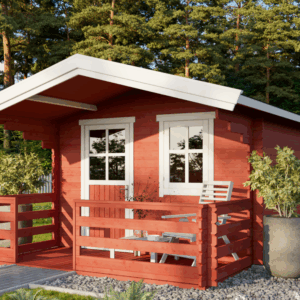
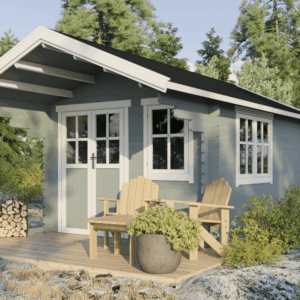
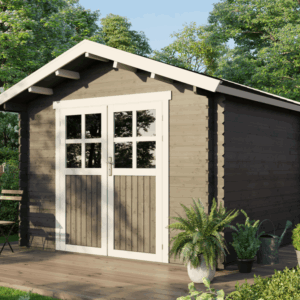
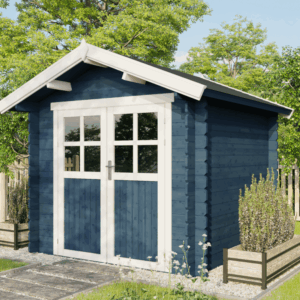
Imagine waking up to the gentle scent of pine, the warmth of a crackling fire, and panoramic views of Ireland’s breathtaking landscapes. Residential log homes in Ireland are more than just a dwelling; they represent a lifestyle choice, a connection to nature, and a commitment to sustainable living. This guide will delve deep into the world of log cabin construction on the Emerald Isle, exploring everything from the initial planning stages and material choices to navigating regulations and finding the perfect location. Whether you’re a local seeking a unique rural retreat or an international buyer charmed by Ireland’s magic, understanding the nuances of building a log home here is crucial for turning your dream into a tangible reality.
The Enduring Appeal of Log Homes in the Irish Context
The allure of log homes in Ireland is deeply rooted in the country’s rich history and natural beauty. For centuries, timber structures have been a part of the Irish vernacular, and the modern log home offers a sophisticated evolution of this tradition. These homes seamlessly blend into Ireland’s lush green fields, rolling hills, and dramatic coastlines, creating a sense of belonging and harmony with the environment. Beyond aesthetics, the inherent thermal efficiency of a well-constructed log home contributes to lower energy bills, a significant advantage in Ireland’s often cooler climate.
The growing desire for a more sustainable and environmentally conscious lifestyle further bolsters the popularity of log homes. Timber is a renewable resource, and responsible forestry practices ensure that the materials used are sourced ethically. This commitment to sustainability resonates with a growing segment of the population who are looking to reduce their carbon footprint and live in greater harmony with nature. The solid, natural construction also offers a unique sense of solidity and permanence that many find incredibly appealing.
Planning Your Residential Log Home in Ireland: Key Considerations
Embarking on the journey of building a log home requires meticulous planning and foresight. The initial stages involve defining your vision, budget, and the specific needs of your household. Consider the size of the property you envision, the number of rooms required, and any unique architectural features you desire. It’s also essential to consider the long-term implications of ownership, including maintenance and potential resale value.
Location is paramount when it comes to log homes in Ireland. The site you choose will dictate the views, the accessibility, and the potential for integration with the surrounding natural environment. Think about the microclimate of the area, potential for natural light, and the proximity to local amenities and services. Carefully assessing these factors early on will prevent potential headaches down the line and ensure your log home is situated in an ideal setting.
Finding the Right Location: Embracing Ireland’s Diverse Landscapes
Ireland offers a stunning tapestry of potential locations for your log home. From the dramatic cliff faces of the Wild Atlantic Way to the serene lakes of the midlands, the choices are as diverse as the landscape itself. Consider the benefits of a rural idyll, offering peace and tranquility, or perhaps a location closer to a vibrant town for convenience. Each region possesses its own unique charm and character, influencing the overall ambiance of your future home.
When selecting a site, pay close attention to factors like soil stability, drainage, and access to essential utilities like water, electricity, and broadband. Understanding the local planning authority’s zoning regulations and any potential restrictions for building in specific areas is also a critical step. Consulting with local estate agents or land specialists can provide invaluable insights into available plots and their suitability for log home construction.
Log Home Construction: Materials and Methods in Ireland
The heart of any log home lies in its construction materials and the methods employed. For Ireland, the most common choices revolve around solid timber logs, typically sourced from sustainably managed forests. The type of wood used, its treatment, and the log profile will significantly impact the aesthetic appeal, durability, and insulating properties of your home. Understanding these choices is vital for a successful build.
The two primary construction methods for log homes are log-on-log and timber frame with log cladding. Log-on-log involves stacking solid logs horizontally, interlocking them at the corners, creating a rustic and robust structure. Timber frame construction, on the other hand, uses a traditional wooden frame for structural integrity, which is then covered with decorative log cladding. Each method offers distinct visual and structural characteristics, and the choice often depends on aesthetic preferences and budget.
Choosing Your Timber: Quality and Sustainability
The selection of timber is perhaps the most critical decision in log home construction. In Ireland, popular choices often include Northern European Pine and Spruce, known for their durability, natural insulation properties, and attractive grain. Kiln-dried logs are generally preferred as they are seasoned to reduce moisture content, minimizing the risk of shrinkage, warping, and pest infestation after construction.
Sustainable sourcing is a significant consideration, and reputable log home suppliers will be able to provide certification of their timber’s origin. Look for logs that have been treated with eco-friendly preservatives to protect against rot and insects, ensuring the longevity of your home. The milling process itself is also important; a precise milling ensures tight-fitting logs, which are crucial for preventing drafts and maintaining structural integrity.
Navigating Planning Permission and Building Regulations
Building any new home in Ireland requires adherence to stringent planning permission and building regulations. Log homes are no exception, and understanding these requirements is fundamental to a smooth and lawful construction process. Engaging with the local planning authority early on is highly recommended to ascertain specific requirements for your chosen site and log home design.
The process typically involves submitting detailed plans and specifications for approval. This includes architectural drawings, structural engineering reports, and information regarding energy efficiency and environmental impact. Working with an experienced architect or a reputable log home builder who is familiar with Irish building regulations can greatly simplify this complex but necessary stage of your project.
Understanding Local Planning Authority Requirements
Each local authority in Ireland has its own set of planning guidelines and considerations. These can vary significantly depending on the area, with rural locations often having different criteria than urban or suburban settings. It’s essential to research the specific policies of the county council where you intend to build your log home. This research will help you understand aspects like minimum plot sizes, architectural design controls, and any environmental impact assessments that may be required.
Some planning authorities might have specific preferences or restrictions regarding the style of homes in certain areas, especially in designated scenic or conservation zones. Proactive communication with the planning department can help you identify potential challenges and ensure your design aligns with their expectations, thereby streamlining the approval process.
The Practicalities of Building and Owning a Log Home in Ireland
Beyond the initial planning and regulatory hurdles, there are practical aspects to consider when building and living in a log home in Ireland. The construction timeline, the cost of materials and labour, and ongoing maintenance all play a role in the overall ownership experience. Understanding these factors will help you set realistic expectations and prepare for the responsibilities of log home ownership.
Log homes are renowned for their natural insulation, but proper sealing and ventilation are crucial to maximize their energy efficiency. This is particularly important in Ireland’s damp climate. Regular maintenance, such as occasional re-staining or sealing of the logs, will be necessary to protect your home from the elements and preserve its aesthetic appeal for years to come.
Maintenance and Longevity: Caring for Your Log Home
The durability of a log home is directly linked to the quality of its construction and the commitment to ongoing maintenance. Regular inspections for any signs of wear, moisture ingress, or pest activity are essential. The exterior logs will likely require re-staining or sealing every few years, depending on the product used and exposure to the elements, to maintain their color and protection against UV rays and moisture.
Interior maintenance is generally straightforward, involving typical home upkeep. However, it’s wise to be mindful of moisture levels within the home, especially in a humid climate. Good ventilation, efficient heating, and appropriate dehumidifiers can help maintain a healthy indoor environment and prevent potential issues like mould growth, ensuring your log home remains a healthy and comfortable sanctuary.
Finding Your Dream Residential Log Home in Ireland
Whether you’re looking to build from scratch or purchase a pre-built log home, Ireland offers a growing market for these distinctive residences. The satisfaction of living in a home that is both beautiful and sustainable is immense. By understanding the process, from initial vision to ongoing care, you can confidently embark on your journey to owning a residential log home in the heart of Ireland.
The journey to your dream log home in Ireland is an exciting one, filled with the promise of a unique lifestyle connected to nature. By embracing the planning process, understanding the construction, and respecting the regulations, you can create a truly special residence that will be cherished for generations. The Emerald Isle is waiting to welcome you to a life less ordinary, surrounded by the warmth and beauty of a timber haven.
“`