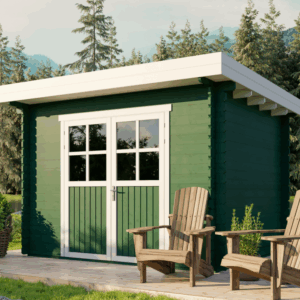
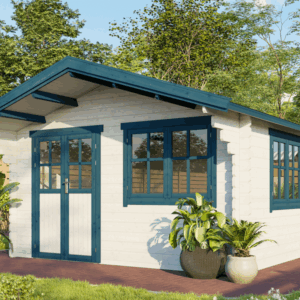
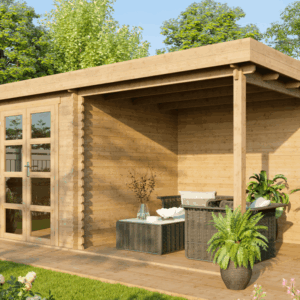
Imagine waking up to the misty embrace of an Irish morning, the scent of peat smoke in the air, and the gentle rustle of leaves outside your window. For many, this idyllic scene is synonymous with owning a log cabin, a cozy retreat that blends seamlessly with the stunning natural beauty of the Emerald Isle. If you’ve found yourself captivated by the romance and tranquility of log cabin living and are considering making it a reality in Ireland, this comprehensive guide is your essential starting point. We’ll delve into every crucial aspect of log cabin planning in Ireland, from initial inspiration and site selection to navigating regulations and understanding construction, ensuring your dream cabin becomes a tangible, breathtaking reality.
The allure of a log cabin in Ireland extends far beyond mere aesthetics. It represents a connection to nature, a slower pace of life, and a unique architectural style that has stood the test of time. Whether you envision a secluded weekend escape nestled in the rolling hills of Wicklow or a more permanent residence overlooking the wild Atlantic coast, careful and informed planning is paramount. This guide aims to demystify the process, providing you with the knowledge and confidence to embark on this exciting journey, turning your aspirations into a solid foundation.
Understanding the Appeal: Why a Log Cabin in Ireland?
The enduring appeal of log cabins in Ireland stems from a deep-seated appreciation for natural materials and a desire for a connection to the land. Unlike conventional housing, log cabins offer a rustic charm and a tangible sense of warmth and comfort that resonates with many. The natural insulating properties of timber contribute to a cozy and energy-efficient home, a welcome benefit in Ireland’s often unpredictable climate. Furthermore, the aesthetic of a log cabin complements the lush green landscapes and dramatic coastlines that define the Irish countryside, creating a harmonious integration with its surroundings.
Beyond the environmental and aesthetic benefits, log cabins evoke a sense of tradition and heritage. While modern construction techniques have evolved, the fundamental principles of building with timber have remained consistent for centuries, offering a timeless quality. This connection to history, combined with the potential for a self-sufficient and tranquil lifestyle, makes a log cabin in Ireland an increasingly attractive proposition for those seeking an alternative to the conventional. The romantic notion of a crackling fire, a good book, and the sound of rain on wooden walls is a powerful draw for many.
Phase 1: Vision and Feasibility – Laying the Groundwork
Defining Your Log Cabin’s Purpose and Style
Before you even consider a plot of land, it’s crucial to define the primary purpose of your log cabin. Will it be a holiday home, a permanent residence, a rental property, or perhaps a combination of these? This decision will heavily influence the size, design, and amenities required. Consider how many people will typically use the cabin, what activities you envision enjoying there, and the level of comfort and functionality you desire. A weekend getaway might prioritize simplicity and coziness, while a full-time residence will necessitate more robust infrastructure and amenities.
The style of your log cabin is another important consideration that will shape its overall character. Do you dream of a traditional Scandinavian-style cabin with substantial, visible logs and a robust aesthetic, or a more contemporary design with cleaner lines and perhaps a mix of timber with other natural materials like stone? Research different log construction methods, such as round logs, squared logs, or even timber frame with log cladding, as each offers a distinct visual appeal and construction process. Exploring architectural styles prevalent in Ireland, such as vernacular farmhouses or arts and crafts influences, can also inspire a unique and contextually appropriate design.
Site Selection: The Foundation of Your Dream
Choosing the right location is arguably the most critical step in planning your log cabin in Ireland. Think about accessibility, the surrounding landscape, and potential views. Do you crave seclusion, or would you prefer to be within a reasonable distance of local amenities and communities? Consider the microclimate of the potential site – is it exposed to strong winds, prone to flooding, or does it offer good sun exposure? These factors will influence not only your enjoyment of the cabin but also its construction and long-term maintenance.
Beyond the immediate visual appeal, thorough site assessment is essential. Investigate the terrain for suitability for foundations and drainage. Understanding the local soil conditions can help anticipate any engineering challenges and associated costs. Consider the availability of essential services like electricity, water, and waste disposal. While off-grid solutions are certainly achievable, their implementation adds complexity and cost. Researching local planning zones and any potential environmental restrictions tied to the land is also a vital early step to avoid future complications.
Phase 2: Navigating the Regulatory Landscape in Ireland
Understanding Planning Permission for Log Cabins
The process of obtaining planning permission in Ireland is a significant hurdle that requires careful attention and often professional guidance. Unlike some other jurisdictions, self-build homes, including log cabins, are subject to rigorous scrutiny by local authorities. It’s essential to familiarize yourself with the specific planning policies of the relevant local authority, as these can vary significantly across counties. These policies often address issues such as visual impact, rural housing strategies, and the protection of the natural environment.
Engaging with a qualified architect or planning consultant early in the process is highly recommended. They can provide invaluable expertise in interpreting planning guidelines, preparing detailed plans and drawings, and submitting a robust planning application. Understanding the difference between “permissible development” (minor structures that may not require full planning permission) and more substantial dwellings is crucial. For a log cabin intended as a habitable dwelling, full planning permission will almost certainly be a prerequisite. Be prepared for a potentially lengthy application process and the possibility of needing to address specific concerns raised by the planning authority.
Building Regulations and Compliance
Once planning permission is secured, your log cabin project will also need to comply with Irish Building Regulations. These regulations are designed to ensure the safety, health, and welfare of occupants and the public. They cover a wide range of aspects, including structural integrity, fire safety, energy efficiency, ventilation, and accessibility. Your log cabin design must meet or exceed these standards, which often necessitate detailed technical specifications and adherence to approved building methods.
This is where a skilled architect or engineer becomes indispensable. They will ensure that your chosen log cabin design and construction methods are fully compliant with all relevant building regulations. This includes ensuring adequate insulation levels to meet current energy efficiency standards, which is particularly important for maintaining comfort and controlling heating costs in an Irish climate. Proper structural design to withstand local weather conditions, such as wind loads, is also a critical aspect of building regulation compliance.
Phase 3: Design and Construction – Bringing Your Cabin to Life
Choosing Your Log Cabin Type and Materials
The type of log construction you opt for will significantly influence the aesthetic, cost, and construction timeline of your cabin. Solid log construction, where the walls are made entirely of stacked logs, offers a traditional and robust feel. This can be achieved with different log profiles, such as round logs for a rustic look or D-logs (half-round) for a slightly more refined appearance. Alternatively, timber frame construction with log cladding can provide a similar visual appeal with potentially faster build times and greater design flexibility.
The type of timber used is also an important consideration. Sustainably sourced timber, such as pine or spruce, is commonly used for log cabins due to its availability, workability, and natural insulating properties. The quality and treatment of the wood are crucial for durability and resistance to moisture, insects, and rot. Discuss with your chosen builder or supplier the types of timber, their treatment processes, and the expected lifespan of the materials. Ensuring your logs are properly dried and treated is paramount for the long-term integrity of your cabin.
Finding the Right Professionals
Successfully building a log cabin in Ireland hinges on assembling a team of experienced and reputable professionals. This typically includes an architect or designer to translate your vision into detailed plans, a structural engineer to ensure the integrity of the design, and a skilled log cabin builder. Look for builders with specific experience in log cabin construction, as this is a specialized trade that requires particular expertise in handling and fitting logs.
Thorough due diligence is essential when selecting your team. Request references, view previous projects, and ensure they are fully insured. A good builder will not only be technically proficient but also communicative, transparent about costs, and able to guide you through the construction process. Consider obtaining multiple quotes and comparing them carefully, not just on price but also on the scope of work included and the quality of materials proposed. A strong working relationship with your chosen professionals will make the entire process much smoother and more enjoyable.
The Construction Process: From Foundation to Finishing Touches
The construction of a log cabin involves several distinct stages. It begins with site preparation, including excavation and the pouring of foundations, which must be designed to suit the specific ground conditions and the weight of the log structure. Once the foundation is in place, the log walls are erected, a process that requires precision to ensure a tight seal and structural stability. This is often followed by the installation of the roof structure, windows, and doors.
Internal fit-out is the next phase, involving the installation of insulation (if not integrated into the log construction), electrical and plumbing systems, and interior finishes such as flooring, wall treatments, and kitchen and bathroom fittings. The exterior will typically require sealing and treatment to protect the timber from the elements. Throughout the construction, regular site visits and communication with your builder are vital to monitor progress, address any unforeseen issues, and ensure the project stays on track and within budget. The finishing touches, from staining the logs to landscaping around your new home, will finally bring your vision to life.
Phase 4: Beyond Construction – Living in Your Log Cabin
Maintenance and Longevity of Your Log Cabin
Owning a log cabin comes with specific maintenance requirements that are essential for its longevity and to preserve its beauty. Regular inspection of the logs for any signs of wear, damage, or insect infestation is crucial. The exterior timber will need to be resealed and treated periodically, typically every few years, depending on the product used and the exposure to the elements. This treatment not only protects the wood but also helps to maintain its attractive appearance.
Maintaining a clean and dry environment around your cabin is also important. Ensure proper drainage away from the foundation to prevent moisture buildup. Promptly address any leaks or water ingress. Consider the use of high-quality, breathable stains and sealants specifically designed for log homes. While log cabins require dedicated care, this upkeep is a rewarding aspect of ownership, contributing to the unique character and enduring charm of your home for years to come.
Making Your Log Cabin Energy Efficient
Log cabins can be inherently energy-efficient due to the natural insulating properties of timber. However, optimizing energy performance will enhance comfort and reduce utility costs. Ensuring a tight seal between logs, proper insulation in the roof and floor, and installing high-quality, energy-efficient windows and doors are key. Consider incorporating sustainable heating solutions, such as wood-burning stoves, heat pumps, or even solar thermal systems, to further enhance your cabin’s eco-friendliness.
Passive solar design principles can also be integrated into your log cabin’s orientation and window placement to maximize natural warmth in winter and minimize heat gain in summer. Proper ventilation is also essential for maintaining healthy indoor air quality and preventing moisture issues, which can be particularly important in a wooden structure. By carefully considering these elements during the planning and construction phases, you can create a log cabin that is not only beautiful and cozy but also highly energy-efficient and environmentally conscious.
Conclusion: Your Irish Log Cabin Awaits
Embarking on the journey of planning and building a log cabin in Ireland is a significant undertaking, filled with both exciting possibilities and practical considerations. From the initial spark of inspiration to the final brushstroke of paint, each step requires careful thought, diligent research, and the guidance of experienced professionals. By thoroughly understanding the appeal, navigating the regulatory landscape, engaging with skilled craftspeople, and committing to ongoing maintenance, you can transform your dream of an Irish log cabin into a tangible and cherished reality.
The reward for this meticulous planning is immense: a unique and beautiful home that offers a profound connection to nature, a sanctuary of peace, and a testament to timeless craftsmanship. As you move forward with your log cabin project in Ireland, remember that patience, persistence, and a clear vision are your greatest allies. Embrace the process, celebrate the milestones, and soon you’ll be enjoying the unparalleled tranquility and charm of your very own Irish log cabin.
“`
Looking for services in Wicklow? You may also like: Turbines Ireland.