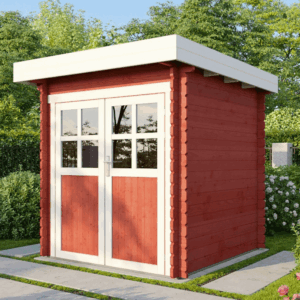
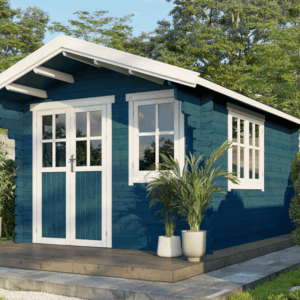
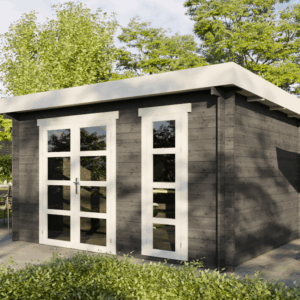
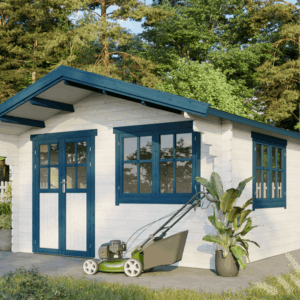
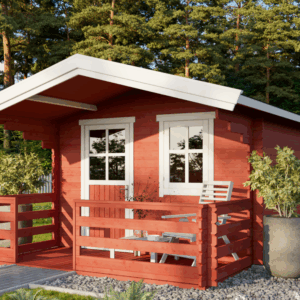
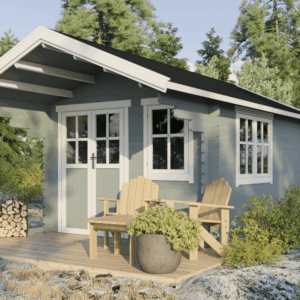
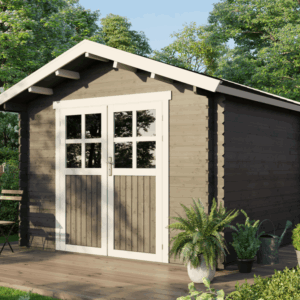
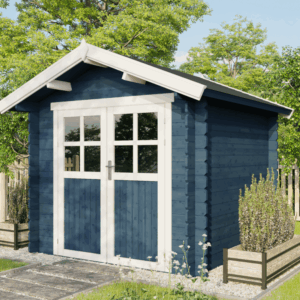
The allure of a log cabin in Ireland is undeniable. Imagine waking up to mist-laden hills, the scent of peat fires, and the comforting embrace of natural timber surrounding you. For many, it’s a lifelong dream, a romantic vision of a simpler, more connected way of life. But is it just a fantasy, or can you truly bring your Irish log cabin to life? This comprehensive guide will explore the realities, the possibilities, and the practicalities of building a log cabin on the Emerald Isle, from initial planning to the final cozy fire.
Ireland’s unique landscape and heritage offer a captivating backdrop for a log cabin. The rugged beauty of the west coast, the rolling fields of the midlands, and the serene lakes of the north all present potential settings for your dream retreat. Understanding the nuances of building in this specific environment is crucial for success, ensuring your cabin blends harmoniously with its surroundings while meeting all necessary regulations and practical considerations. We’ll delve into the key steps involved in turning this vision into a tangible reality.
Understanding the Appeal: Why Build a Log Cabin in Ireland?
The romantic image of a log cabin often conjures up feelings of peace, sustainability, and a deep connection to nature. In Ireland, this appeal is amplified by the country’s rich natural beauty and a growing desire for a lifestyle that prioritizes well-being and environmental consciousness. Log cabins, with their natural materials and rustic charm, naturally fit this ethos. They offer a unique aesthetic that stands apart from conventional construction, providing a sense of escape and tranquility.
Furthermore, the natural insulation properties of timber contribute to energy efficiency, a vital consideration for any modern home, especially in Ireland’s often damp climate. The inherent warmth and breathability of wood create a healthy indoor environment, free from the chemicals often found in synthetic building materials. This focus on natural living is a significant driver for many choosing this path. It’s not just about building a house; it’s about creating a sanctuary.
Navigating the Landscape: Planning Permission and Regulations
Embarking on the journey of building a log cabin in Ireland necessitates a thorough understanding of planning permission and local regulations. Unlike many other countries, Ireland has specific guidelines for rural development and new construction, and it’s vital to engage with your local planning authority early on. They can provide essential information on zoning laws, environmental considerations, and any specific requirements for timber-framed structures.
Securing planning permission can be a complex process, often requiring detailed site surveys, architectural drawings, and environmental impact assessments. Consulting with an experienced architect or planning consultant who specializes in rural builds is highly recommended. Their expertise can help you navigate the intricacies, prepare a robust application, and avoid potential pitfalls, saving you time and resources in the long run. Failing to obtain the correct permissions can lead to costly delays or even demolition orders.
Choosing Your Site Wisely
The location of your log cabin is paramount, influencing everything from the views to the accessibility and the planning permission you’ll receive. Consider factors like drainage, sunlight, prevailing winds, and proximity to essential services. A gentle slope can aid drainage, while adequate sunlight can improve natural light and reduce heating costs. Understanding the microclimate of your chosen spot is key to a comfortable and sustainable dwelling.
When selecting a site, also think about how the cabin will integrate with the existing landscape. A well-chosen location will feel like a natural extension of the Irish countryside, rather than an imposition. Look for areas that offer privacy without complete isolation, and consider the long-term implications of your choice, such as potential for future expansion or the impact on local wildlife.
Log Cabin Construction: Styles and Materials
The term “log cabin” encompasses a wide variety of styles and construction methods, each offering unique aesthetic and structural qualities. From traditional hand-hewn logs to modern, precisely milled timber kits, the options are diverse. Understanding these differences is crucial for selecting the best approach for your dream Irish cabin. The most common methods involve either solid log walls or timber frame construction with log cladding.
Solid log construction involves stacking logs horizontally, interlocked at the corners. This can be done with round logs or squared logs, offering distinct visual appeals. Timber frame construction, on the other hand, uses a structural frame of timber with infill walls, which can then be clad in logs for the characteristic cabin look. Both methods offer excellent thermal performance, but the choice often comes down to budget, desired aesthetic, and local building practices.
Sourcing Your Timber
The origin and type of timber used for your log cabin are critical factors affecting its durability, sustainability, and aesthetic. Opting for locally sourced, sustainably managed timber is not only environmentally responsible but can also contribute to the authentic character of your Irish build. Spruce, pine, and larch are common choices, each with its own unique properties and appearance.
Consider the grading and treatment of the timber. Kiln-dried logs are often preferred as they are more stable and less prone to shrinkage and warping. Proper treatment against pests and moisture is essential to ensure the longevity of your log cabin, especially in Ireland’s humid climate. Reputable suppliers will offer certified timber and can advise on the best options for your specific project and location.
The Building Process: From Foundation to Finishes
Building a log cabin, like any home construction, follows a series of well-defined stages. Each step requires careful planning, execution, and often, the involvement of skilled tradespeople. The foundation is the bedrock of your cabin, ensuring stability and longevity. Proper site preparation, including excavation and concrete work, is essential before any logs are laid or timbers erected.
Following the foundation, the walls are constructed, either by stacking logs or assembling the timber frame. This is a critical phase where precision is paramount to ensure a structurally sound and weather-tight building. After the main structure is complete, the roof is installed, followed by windows, doors, and interior finishing. The process can be managed by a general contractor or, for the more hands-on individual, a project manager overseeing various sub-contractors.
Insulation and Weatherproofing
While logs themselves offer natural insulation, additional measures are often necessary to meet modern energy efficiency standards and ensure comfort in the Irish climate. The gaps between logs must be meticulously sealed to prevent drafts and moisture ingress. This can be achieved using specialized chinking materials or modern sealants, depending on the log construction style.
Furthermore, the roof and floor will likely require robust insulation. This helps to retain heat in winter and keep the cabin cool in summer, reducing reliance on heating and cooling systems. Proper ventilation is also crucial to prevent condensation and maintain a healthy indoor environment, especially in a timber structure. Ignoring these aspects can lead to dampness, rot, and reduced living comfort.
The Enchantment of Interior Design
Once the structure is complete, the interior design of your log cabin becomes your canvas to create a truly personal sanctuary. The inherent warmth and texture of the wood provide a beautiful starting point, lending themselves to a cozy, rustic aesthetic. However, modern log cabin interiors can also embrace a more minimalist or contemporary feel, depending on your preferences.
Consider incorporating natural materials like stone for fireplaces, wool for soft furnishings, and reclaimed wood for accents. The layout should maximize natural light and capitalize on your chosen site’s views. Think about integrating features like exposed beams, a wood-burning stove, and a well-appointed kitchen that complements the cabin’s overall charm. Every detail contributes to the feeling of a comfortable and inviting home.
Living the Dream: Maintenance and Longevity
Owning a log cabin in Ireland is a lifestyle choice, and like any home, it requires regular maintenance to ensure its beauty and longevity. The natural timber will weather over time, and periodic treatments are necessary to protect it from the elements and maintain its appearance. Regular inspections for any signs of wear, pest infestation, or moisture damage are crucial.
The specific maintenance requirements will depend on the type of timber, the finish applied, and the local environment. However, consistent care, such as re-staining or sealing the exterior every few years, will protect your investment and preserve the rustic charm of your log cabin for generations to come. Embracing the maintenance routine is part of the unique connection you develop with your timber home.
Your Irish Log Cabin: A Reality Worth Pursuing
Building a log cabin in Ireland is a rewarding endeavor that combines the romance of a timeless dwelling with the practicality of modern living. While challenges exist, particularly concerning planning and regulations, the dream of a cozy, natural retreat surrounded by Ireland’s breathtaking scenery is well within reach for those who plan meticulously and approach the process with informed determination.
From understanding the local planning landscape to selecting the right timber and overseeing the construction, each step contributes to creating a truly special home. With careful consideration and the right expertise, your Irish log cabin can become a cherished sanctuary, a place to create lasting memories and live a life deeply connected to nature. The journey may be complex, but the destination – your own piece of Irish paradise – is undoubtedly worth it.
“`