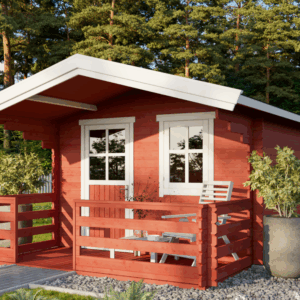
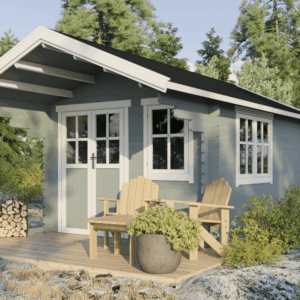
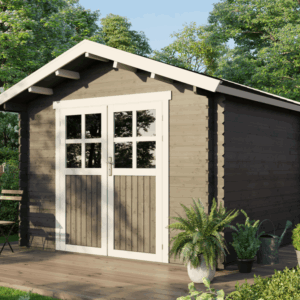
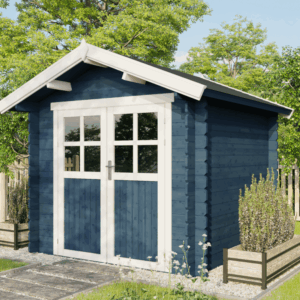
The allure of a log house in Ireland is undeniable. Picture yourself surrounded by rolling green hills, the scent of peat smoke in the air, and the comforting embrace of natural timber. Building a log home here, however, involves navigating a unique set of considerations, from planning permissions to material sourcing and construction techniques. This comprehensive guide will demystify the process, offering insights into creating your own sustainable and picturesque Irish log cabin.
Ireland’s stunning natural landscapes provide the perfect backdrop for a log house, offering a harmonious blend of tradition and modern living. Imagine waking up to panoramic views of ancient forests or the rugged coastline, all from the warmth and character of a solid timber home. This dream is achievable with careful planning, an understanding of local regulations, and a commitment to quality craftsmanship.
Choosing to build a log house in Ireland is a decision steeped in a connection to nature and a desire for a unique, sustainable dwelling. The rustic charm and natural beauty of timber homes resonate deeply with the Irish countryside, offering an aesthetic that is both timeless and environmentally conscious. This guide is designed to equip you with the knowledge needed to turn this dream into a tangible reality, addressing the specific nuances of construction on the Emerald Isle.
Understanding the Appeal: Why Choose a Log House in Ireland?
The appeal of a log house in Ireland extends beyond its aesthetic charm. These homes offer unparalleled natural insulation, contributing to lower energy bills and a more comfortable living environment year-round. The natural materials used create a healthy indoor atmosphere, free from many of the volatile organic compounds found in conventional building materials. Furthermore, a well-built log home is a testament to craftsmanship and can become a cherished family legacy for generations.
The inherent thermal properties of solid timber are a significant advantage, particularly in Ireland’s temperate climate. Log walls possess a high thermal mass, helping to regulate indoor temperatures by absorbing and releasing heat slowly. This natural regulation can significantly reduce reliance on artificial heating systems, leading to substantial savings on energy costs and a smaller carbon footprint. The tangible connection to nature that a log home provides is also a powerful draw for many seeking a more grounded and tranquil lifestyle.
Beyond the practical benefits, log houses offer a unique character and a sense of history that is often sought after in Ireland. The natural variations in the wood, the scent, and the feel of the timber create an immersive living experience that is both grounding and luxurious. This tactile and sensory connection to the environment is something that many find deeply fulfilling and a stark contrast to more sterile, modern constructions.
Navigating the Regulatory Landscape: Planning Permission for Log Homes
One of the most critical first steps in building a log house in Ireland is securing the necessary planning permission. Irish planning laws can be complex, and while log homes are becoming more accepted, it’s essential to work closely with your local planning authority. They will assess factors such as the proposed location, the design’s suitability for the surrounding area, and environmental impact. Engaging an experienced architect or planning consultant familiar with log home construction is highly recommended.
The specific requirements for planning permission can vary significantly depending on the local council and the proposed site. It’s crucial to understand that building a log home is not simply about selecting a design and materials; it involves demonstrating compliance with a range of building regulations and local development plans. Early engagement with the planning department, even before submitting a formal application, can provide valuable insights and help to avoid potential roadblocks.
Considerations such as the visual impact of the log house on its landscape, its integration with neighboring properties, and its potential effect on local amenities will be scrutinized. Providing detailed plans, elevations, and a comprehensive design statement will be vital in presenting a strong case to the planning authority. Having a clear vision of how your log home will complement its surroundings is key to a successful application.
Choosing Your Log: Material Selection and Sourcing
The choice of timber is paramount to the success and longevity of your log house. In Ireland, locally sourced timber such as Sitka Spruce or Douglas Fir are excellent options, offering durability and aesthetic appeal. Sustainability is also a key consideration, and opting for timber from certified, responsibly managed forests is crucial. The treatment of the logs is equally important to protect them from moisture, insects, and UV damage, ensuring your home stands the test of time.
The type of log construction – whether solid log, timber frame with log cladding, or a combination – will influence the aesthetic, insulation properties, and cost. Solid log construction involves stacking large, shaped logs to form the walls, creating a substantial and robust structure. Timber frame construction utilizes a skeletal frame of timber, with log elements used for external cladding or internal features, offering a more traditional appearance with modern building techniques.
Investigating the provenance of your timber is a responsible step. Ensuring it is properly seasoned and dried is vital to prevent shrinkage and warping after construction, which can lead to drafts and structural issues. Reputable suppliers will be able to provide documentation regarding the timber’s origin and treatment, giving you confidence in your material selection.
Construction Methods: From Foundation to Finish
Building a log house requires specialized knowledge and techniques. The foundation must be robust to support the weight of the timber, and meticulous attention must be paid to ensuring the logs are perfectly sealed to prevent water ingress. Whether you opt for a DIY approach with a pre-cut kit or employ a professional log home builder, understanding the core construction stages is essential.
The foundation is the bedrock of any home, and for a log house, its integrity is even more critical due to the substantial weight of the timber. It needs to be designed to accommodate potential ground movement and provide adequate drainage to protect the base logs from moisture. Proper insulation of the foundation will also contribute to the overall thermal efficiency of the dwelling, keeping your log home cozy and energy-efficient.
The assembly of the log walls involves careful fitting and sealing of each log. Techniques such as interlocking corner joints, chinking (filling gaps between logs), and the use of specialized sealants are crucial for creating a weather-tight and structurally sound structure. The roof structure, windows, and doors also need to be integrated seamlessly to maintain the building’s thermal performance and aesthetic appeal.
Foundation and Base Works
A strong and well-drained foundation is the cornerstone of any log house. In Ireland’s often damp climate, proper site preparation and drainage are paramount to prevent moisture from compromising the timber. This typically involves a concrete slab or strip foundations, ensuring they are adequately insulated and protected from ground moisture.
The type of foundation will depend on your site’s specific conditions, including soil type and gradient. A professional assessment of your building plot is highly recommended to determine the most suitable foundation design. Ensuring the foundation is level and sound will provide a stable base for the entire structure, preventing settling and potential structural issues down the line.
Adequate ventilation around the foundation is also key. This prevents moisture buildup, which can lead to rot and insect infestation in the lower logs. Consider implementing a damp-proof membrane and good perimeter drainage to safeguard your investment from the elements.
Log Wall Construction and Sealing
The heart of your log house lies in its walls, and their construction demands precision. Whether you’re using a log kit or custom-milled logs, each piece must fit snugly. The type of log profile (e.g., round, D-shaped, or squared) will influence the sealing methods required. Effective sealing is crucial to prevent air and water infiltration, ensuring a warm and dry interior.
Chinking, the material used to fill the gaps between logs, plays a vital role in both insulation and aesthetics. Modern chinking materials are designed for flexibility and durability, expanding and contracting with the timber to maintain a tight seal. The correct application of these materials is essential for long-term performance and preventing drafts.
The interlocking joints at the corners are also critical structural elements. These are designed to provide stability and weather resistance. A well-constructed corner joint will be both strong and aesthetically pleasing, contributing to the overall character of your log home.
Roofing and Weatherproofing
The roof is your log house’s primary defense against the elements, and choosing the right roofing material is crucial. Traditional slate or modern metal roofing are popular choices in Ireland, offering durability and a classic aesthetic. Proper installation and flashing are essential to prevent leaks and protect the timber structure from water damage.
Beyond the roofing material itself, the roof’s pitch and overhangs play a significant role in weatherproofing. A well-designed roof will effectively shed water away from the walls, protecting the logs from prolonged exposure to rain. Adequate ventilation in the roof space is also important to prevent condensation and maintain the structural integrity of the timber.
Consider the long-term maintenance implications of your roofing choice. Some materials require more frequent upkeep than others. Investing in high-quality roofing and expert installation will pay dividends in the longevity and comfort of your log home.
Sustainability and Eco-Friendly Aspects
Log houses are inherently sustainable, utilizing a renewable resource that can be responsibly managed. The construction process itself often has a lower carbon footprint compared to conventional building methods. Furthermore, the natural insulating properties of timber contribute to energy efficiency, reducing your home’s environmental impact over its lifespan.
Choosing sustainably harvested timber, preferably from local sources, further enhances the eco-friendly credentials of your log home. This reduces transportation emissions and supports local economies. Many log home manufacturers are committed to sustainable practices, from forestry management to waste reduction during production.
The longevity of a well-maintained log house also contributes to sustainability. Unlike materials that may need frequent replacement, a properly cared-for log home can last for centuries, minimizing the need for demolition and reconstruction. This makes it a truly long-term and environmentally responsible housing solution.
Maintaining Your Irish Log House
Regular maintenance is key to preserving the beauty and structural integrity of your log house. This includes periodic inspection and reapplication of protective finishes to the exterior timber, typically every few years, depending on the product and exposure. Keeping the gutters clear and ensuring good drainage around the foundation are also crucial preventative measures against moisture damage.
The interior of your log home will also benefit from care. Cleaning and occasional refinishing of the internal timber walls can enhance their appearance and protect them from wear and tear. It’s also important to monitor for any signs of insect activity or moisture, addressing any issues promptly to prevent them from escalating.
Familiarizing yourself with the specific maintenance requirements of the timber and finishes you have chosen is essential. Reputable suppliers and builders will often provide detailed maintenance guidelines, which are invaluable resources for keeping your log home in pristine condition for years to come.
Finding the Right Team: Architects, Builders, and Suppliers
Selecting the right professionals is paramount to a successful log home build in Ireland. Look for architects with experience in timber construction and a deep understanding of Irish planning regulations. Similarly, choose builders who specialize in log homes, possess a strong portfolio, and can provide testimonials from satisfied clients.
When sourcing your logs and other materials, prioritize reputable suppliers who can guarantee the quality and origin of their products. Don’t hesitate to ask for samples, references, and details about their timber treatment processes. A strong working relationship with your suppliers and build team will ensure a smoother and more enjoyable construction journey.
Consider engaging with an independent inspector at various stages of the build to ensure quality and adherence to plans. This can provide an extra layer of assurance and help to identify any potential issues early on. A collaborative approach, built on trust and clear communication, is the foundation for a successful log home project.
The Finished Dream: Enjoying Your Irish Log Home
The culmination of your efforts will be a unique and beautiful log house that is deeply connected to its Irish surroundings. Imagine cozy evenings by a roaring fire, the scent of wood filling the air, and the quiet contentment that comes from living in a home built with natural materials and a lot of care. Your log house will be more than just a dwelling; it will be a sanctuary, a testament to your vision, and a cherished part of the Irish landscape.
The journey of building a log house is an investment of time, resources, and passion. However, the reward – a warm, inviting, and sustainable home with unparalleled character – is immeasurable. Embrace the process, seek expert advice, and prepare to create a truly special place to call your own in the heart of Ireland.
As you settle into your new log home, take a moment to appreciate the journey. From initial dreams to the final finishing touches, you’ve created a dwelling that is both a reflection of your aspirations and a harmonious addition to the beautiful Irish countryside. May your log house be a source of comfort, joy, and lasting memories for years to come.
“`
Looking for services in Douglas? You may also like: Flower Delivery 24.