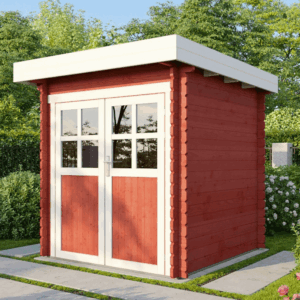
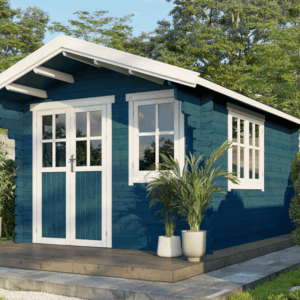
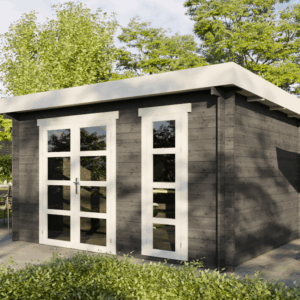
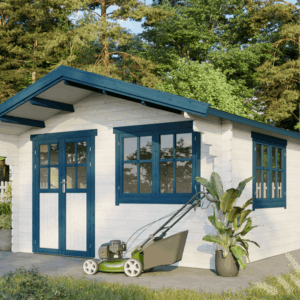
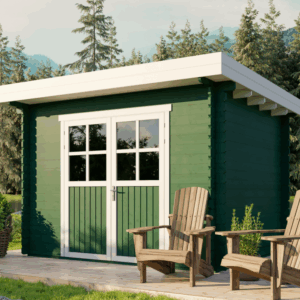
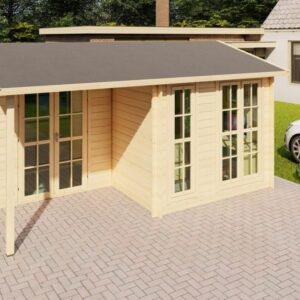
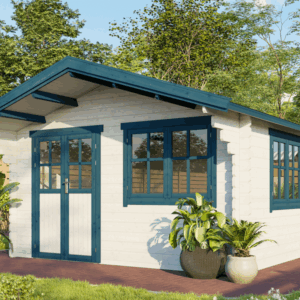
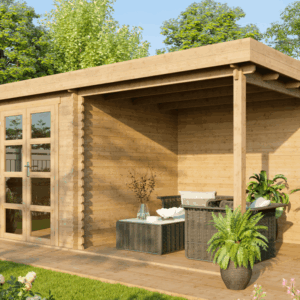
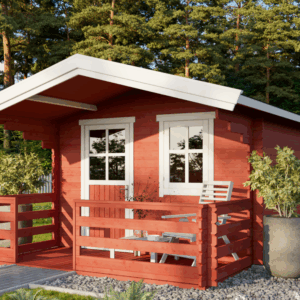
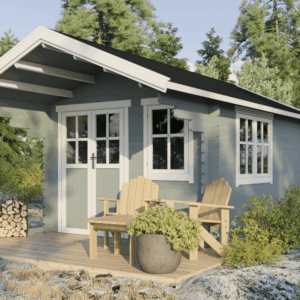
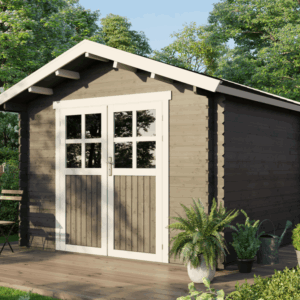
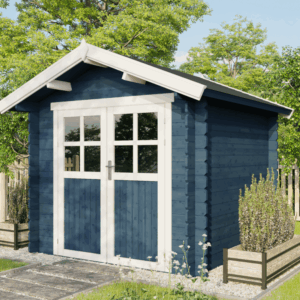
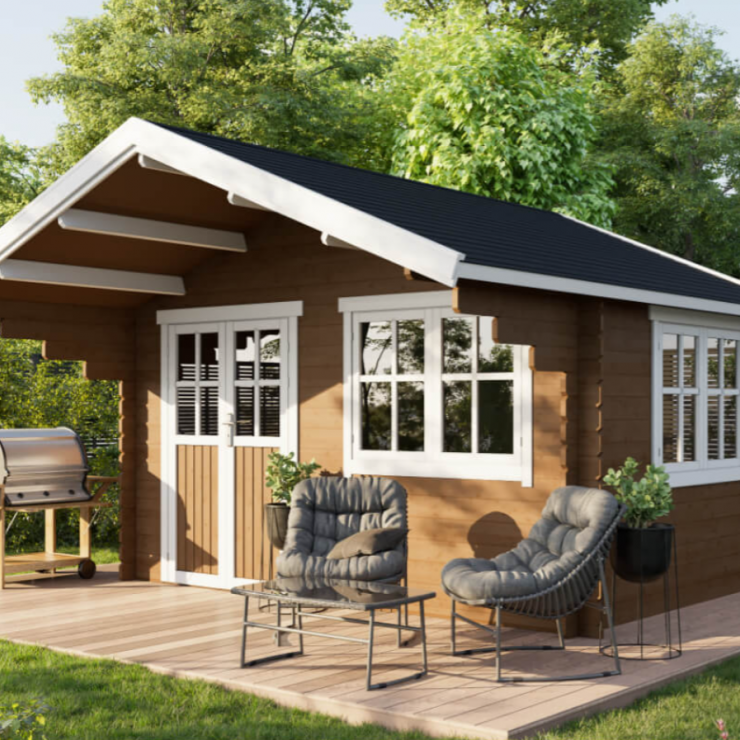
Imagine waking up to the scent of pine, the gentle warmth of a crackling fire, and the serene beauty of the Irish countryside, all while being just a stone’s throw from the vibrant heart of Dublin. For many, the dream of owning a log cabin evokes images of rustic charm and tranquil retreats. While Ireland might not be the first place that springs to mind for traditional log cabin living compared to North America or Scandinavia, the counties surrounding Dublin – Dún Laoghaire–Rathdown, Fingal, and South Dublin – offer surprising and increasingly popular opportunities for those seeking this unique lifestyle.
These counties, often overlooked in favour of more rural counties, provide a compelling blend of accessibility, natural beauty, and burgeoning development in the log cabin sector. Whether you’re envisioning a permanent residence, a weekend getaway, or even a holiday let investment, understanding the nuances of building and owning a log cabin within these specific Dublin regions is key to making your dream a reality. This guide will delve into what makes these areas ideal, the considerations you’ll need to address, and how you can embark on your log cabin journey right here in the greater Dublin area.
Why Choose a Log Cabin in Dublin’s Surrounding Counties?
The appeal of a log cabin extends far beyond its aesthetic. Log homes offer inherent sustainability, often utilising renewable resources in their construction, and boast exceptional thermal efficiency, leading to lower energy bills. The natural insulation properties of timber mean that log cabins are inherently warm in winter and cool in summer, creating a comfortable living environment year-round. This eco-friendly and cost-effective approach to housing is gaining significant traction amongst environmentally conscious individuals and families.
Furthermore, the unique character and inherent warmth of a log cabin create a welcoming and cosy atmosphere that traditional brick-and-mortar homes often struggle to replicate. The natural grains and textures of the timber provide a connection to nature that promotes well-being and reduces stress. For many, it’s a lifestyle choice, a deliberate step towards a simpler, more grounded existence without sacrificing modern conveniences or proximity to urban amenities.
Exploring the Log Cabin Landscape in Dún Laoghaire–Rathdown
Dún Laoghaire–Rathdown, a county steeped in coastal charm and leafy suburbs, presents a unique proposition for log cabin enthusiasts. While largely an affluent residential area, pockets of land suitable for bespoke construction do exist, particularly on the western fringes or within more secluded estates. The county’s commitment to preserving green spaces and its proximity to the Wicklow Mountains National Park offer residents access to breathtaking natural landscapes for outdoor activities.
Building a log cabin here requires a keen understanding of local planning regulations, which are often stringent due to the county’s established character and protected landscapes. Engaging with local architects and planning consultants who have experience with non-traditional building methods is crucial for navigating this process successfully. The reward, however, is a potentially picturesque setting with excellent transport links to Dublin city centre.
Fingal: A Blend of Coastal Beauty and Rural Charm for Log Cabins
To the north of Dublin city lies Fingal, a county that beautifully balances a stunning coastline with rolling countryside. This diverse landscape offers more opportunities for land acquisition and log cabin development, from sites overlooking the Irish Sea to tranquil spots nestled amongst farmland. Fingal boasts a rich history, with picturesque villages and historical sites providing a charming backdrop for your log cabin dreams.
The county’s infrastructure is well-developed, offering excellent road and rail networks, making it an attractive option for those who commute to Dublin but desire a more rural lifestyle. When considering a log cabin in Fingal, prospective owners should research areas with good access to amenities, such as local shops, schools, and recreational facilities, while still enjoying the peace and quiet that a log cabin can provide. The planning landscape in Fingal can also be complex, but often more amenable to unique building proposals than some of the more densely populated areas.
South Dublin: Urban Convenience Meets Serene Log Cabin Living
South Dublin, encompassing areas like Tallaght, Clondalkin, and Lucan, offers a fascinating juxtaposition of urban accessibility and the potential for secluded living. While predominantly developed, there are emerging opportunities for bespoke homes, including log cabins, in areas undergoing regeneration or on the outskirts of existing towns where larger plots might be available. The county benefits from excellent public transport, making it convenient for work and leisure.
For those looking for a log cabin in South Dublin, the key is to identify locations that offer a sense of escape while still being connected. Researching areas with significant green belts or near established parklands can provide that sought-after tranquility. Engaging with local developers who specialise in individual plot development or those who can assist in identifying suitable land is a wise first step. The planning process in South Dublin, like its neighbours, requires diligence and professional guidance.
Navigating the Planning and Building Process for Log Cabins in Dublin
Understanding Local Planning Authority Requirements
Each of the Dublin local authorities – Dún Laoghaire–Rathdown County Council, Fingal County Council, and South Dublin County Council – has its own specific planning policies and guidelines. These often relate to visual impact, environmental considerations, and ensuring new developments are in keeping with the existing character of an area. Thorough research into the relevant Local Area Plan (LAP) and Development Plan is paramount before committing to a site or design.
It is highly advisable to engage with a local planning consultant or an architect experienced in log cabin construction early in the process. They can provide invaluable advice on site suitability, design considerations that align with planning objectives, and assist in preparing a robust planning application. Understanding the nuances of building regulations, particularly concerning insulation, ventilation, and fire safety for timber structures, is also a critical component of a successful application.
Choosing the Right Log Cabin Supplier and Builder
Selecting a reputable log cabin supplier is essential for the longevity and structural integrity of your home. Look for companies with a proven track record in Ireland, who understand the specific climatic conditions and building standards required. Many suppliers offer a range of pre-designed kits or can work with you to create a bespoke design tailored to your site and preferences.
Consider whether you want a full turnkey service, where the supplier manages the entire build process, or if you prefer to act as your own project manager. Regardless of your chosen route, ensure clear contracts are in place, detailing specifications, timelines, warranties, and payment schedules. Visiting existing log cabin homes built by potential suppliers can offer valuable insights into their craftsmanship and the quality of materials used.
Log Cabin Design Considerations for the Irish Climate
Ireland’s climate, characterised by rain and wind, necessitates specific design considerations for log cabins. Adequate roof overhangs are crucial to protect the timber walls from excessive moisture. Proper ventilation systems are also vital to prevent condensation within the logs, which can lead to rot and structural issues. High-quality, treated timber is a non-negotiable choice to ensure durability and resistance to pests and decay.
Furthermore, consider the orientation of your log cabin to maximise natural light and passive solar gain. Large windows to the south can help warm your home naturally during the day, reducing reliance on heating systems. Thinking about the overall aesthetic – whether you prefer a traditional rustic look or a more contemporary interpretation of log cabin living – will also influence window placement, rooflines, and external finishes.
The Lifestyle Benefits of Log Cabin Living in the Dublin Region
Living in a log cabin within Dún Laoghaire–Rathdown, Fingal, or South Dublin offers a unique blend of rural tranquility and urban connectivity. Imagine weekend walks along the coast in Dún Laoghaire, exploring the historical sites of Fingal, or enjoying the vast parklands of South Dublin, all while being a short commute from your serene log cabin home. This lifestyle caters to those seeking a balanced existence, away from the hustle and bustle but still within easy reach of city amenities.
The sense of community and connection to nature that log cabin living fosters is often cited as a major benefit. Waking up surrounded by natural materials and the potential for a garden that seamlessly blends with the surrounding landscape contributes to an improved quality of life. It’s an opportunity to create a home that is not just a dwelling, but a sanctuary.
Investing in a Log Cabin: A Sustainable and Valuable Choice
Log cabins are increasingly recognised as a sustainable and potentially valuable investment. Their energy efficiency can lead to significant long-term savings on utility bills, making them an attractive proposition for homeowners looking to reduce their environmental footprint and their living costs. The use of renewable timber resources also aligns with growing global trends towards sustainable construction practices.
As interest in alternative building methods and eco-friendly housing grows, the demand for well-designed and appropriately situated log cabins in areas like Dún Laoghaire–Rathdown, Fingal, and South Dublin is likely to increase. While the resale market for log cabins is still developing in Ireland, their unique appeal and inherent sustainability position them as a solid long-term investment, particularly when built to high standards and in desirable locations.
Conclusion: Your Dublin Log Cabin Awaits
The dream of owning a log cabin in Ireland, once perhaps confined to more rural western counties, is becoming an increasingly viable and attractive prospect within the vibrant and accessible regions of Dún Laoghaire–Rathdown, Fingal, and South Dublin. These counties offer a unique blend of natural beauty, connectivity, and opportunities for bespoke living that can be perfectly realised through log cabin construction.
By understanding the planning requirements, choosing the right partners, and considering the specific environmental factors, you can embark on an exciting journey to build your very own log cabin sanctuary. Whether you seek a peaceful retreat, a family home, or a sustainable investment, the allure of log cabin living in the heart of Ireland’s most dynamic county awaits. Start your research, connect with experts, and let the vision of your Irish log cabin become a tangible reality.
“`
Looking for services in Clondalkin? You may also like: Flower Delivery 24.