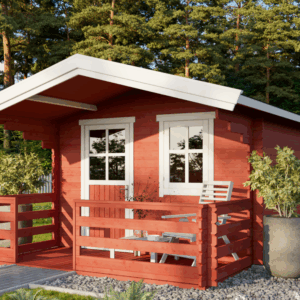
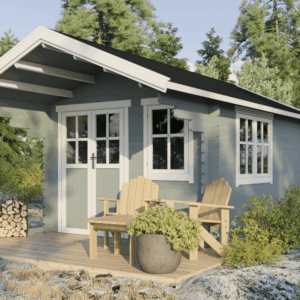
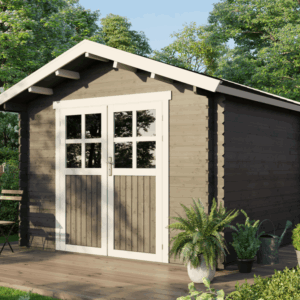
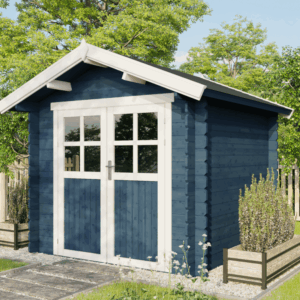
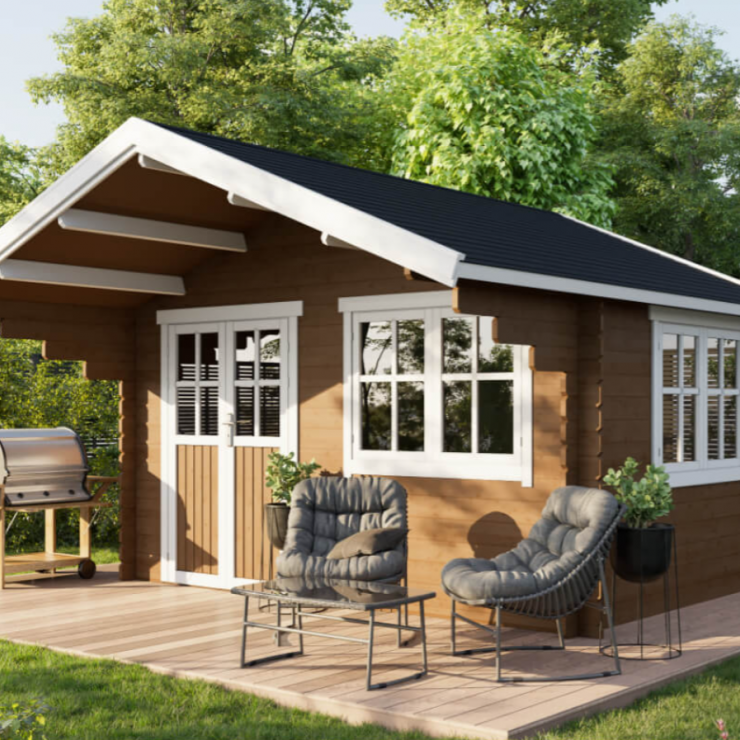
The allure of owning a log cabin in Ireland is undeniable. Imagine waking up to the misty Irish countryside, the scent of peat smoke in the air, and the tranquility of nature right on your doorstep. For many, this dream involves more than just a picturesque location; it’s about a specific type of dwelling – a charming, rustic log cabin. However, turning this idyllic vision into a reality hinges significantly on understanding the financial aspects. This comprehensive guide will navigate you through the world of finance for log cabins in Ireland, from understanding costs to securing the right mortgage and making informed decisions.
Purchasing a log cabin in Ireland presents unique considerations compared to traditional brick-and-mortar homes. The novelty and often remote location can impact valuation, mortgage availability, and building regulations. Therefore, a thorough financial plan is not just advisable; it’s essential for a smooth and successful acquisition. We’ll break down every crucial step, ensuring you’re well-equipped to make this significant investment a wise one.
Understanding the Costs: Beyond the Purchase Price
The initial purchase price of a log cabin is just the beginning of your financial journey. It’s crucial to factor in a multitude of associated expenses that can significantly impact your overall budget. These can include site preparation, planning permission fees, connection to utilities, and the cost of furnishing your new abode. Neglecting these can lead to unexpected financial strain and compromise the dream before it even truly begins.
Furthermore, the construction method of a log cabin can influence its long-term maintenance costs. While often perceived as low-maintenance, the timber requires regular treatment to protect against weather and pests. Understanding these ongoing expenditures is vital for a realistic financial outlook. Researching local suppliers for timber treatments and maintenance services will give you a clearer picture of these recurring costs.
Site Preparation and Groundworks
Before any building can commence, the land itself needs careful preparation. This often involves clearing vegetation, levelling the ground, and ensuring proper drainage to prevent any structural issues down the line. The cost of these groundworks can vary dramatically depending on the terrain and any existing features on the plot you select. Engaging with local land surveyors and civil engineers early on can provide accurate quotes and identify potential challenges.
In some cases, you might require specialized foundations to adequately support the weight and structure of a log cabin, especially if the ground is not naturally stable. These foundation costs can be a substantial part of your initial outlay, so obtaining detailed quotes from experienced contractors is paramount. Don’t underestimate the importance of a solid foundation for the longevity and safety of your log cabin.
Planning Permission and Building Regulations
Navigating the planning permission process in Ireland is a critical hurdle for any new dwelling, and log cabins are no exception. Local authorities will scrutinize your plans to ensure they comply with zoning laws, environmental regulations, and aesthetic considerations. Fees associated with planning applications, surveys, and potential revisions can add up. Engaging an architect or planning consultant familiar with rural developments can streamline this process and prevent costly mistakes.
Beyond planning permission, building regulations dictate the structural integrity, safety, and energy efficiency of your log cabin. This includes requirements for insulation, ventilation, fire safety, and wastewater management. Ensuring your chosen log cabin design meets these standards from the outset will save you significant rework and expense later. Researching the specific building regulations for your chosen county is a non-negotiable first step.
Securing Finance for Your Log Cabin
Obtaining a mortgage for a log cabin in Ireland can sometimes be more complex than for a standard property. Lenders may view log cabins as non-standard construction, which can affect loan-to-value ratios and interest rates. It’s essential to approach lenders who have experience with non-traditional builds and understand their specific requirements. Being prepared with a detailed business plan or clear intentions for the cabin’s use can also be beneficial.
Exploring various financing options is key. While traditional mortgages are the most common, consider if a self-build mortgage might be more appropriate, especially if you are involved in the construction process. Understanding the different loan products available and their associated terms and conditions will empower you to make the best financial decision for your log cabin dream.
Mortgage Options for Log Cabins
The landscape of mortgage lending for log cabins in Ireland is evolving, but it still requires a tailored approach. Many mainstream banks are more hesitant to lend on log cabins, viewing them as potentially having a lower resale value or being more susceptible to external factors like weather. However, specialist lenders and some larger institutions are increasingly open to financing these unique properties, especially if they meet stringent building standards and have a solid architectural plan.
A key factor lenders will consider is the perceived permanence and value of your log cabin. Properties designed for year-round living, with proper insulation and services, are far more likely to secure favourable mortgage terms than those intended purely for holiday use. Demonstrating the long-term viability and structural soundness of your chosen log cabin design is crucial for securing the necessary finance.
The Role of a Mortgage Broker
Navigating the complexities of mortgage applications, especially for non-standard properties, can be overwhelming. This is where a specialist mortgage broker becomes an invaluable asset. They have extensive knowledge of the lending market, including which lenders are most amenable to financing log cabins. A good broker can assess your financial situation, present your case to suitable lenders, and negotiate the best possible terms on your behalf, potentially saving you time, money, and a great deal of stress.
Your mortgage broker will act as your advocate, liaising directly with lenders and ensuring all necessary documentation is submitted accurately and efficiently. They can help you understand the fine print of mortgage agreements, including interest rates, repayment schedules, and any specific conditions related to non-standard construction. Their expertise can be the difference between securing your dream log cabin and facing disappointment.
Navigating the Purchase Process
Once you have your finance in place, the actual purchase process requires careful attention to detail. This involves finding the right property, conducting thorough due diligence, and ensuring all legal aspects are covered. From initial viewings to the final handover, a systematic approach will prevent costly oversights and ensure you acquire a property that meets your expectations and financial commitments.
Understanding the local property market is also important. While log cabins might be less common, their unique appeal can influence pricing. Researching comparable properties, even if not log cabins, in similar rural settings will give you a better understanding of fair market value. Don’t be afraid to negotiate, but do so based on solid research and professional advice.
Finding the Right Log Cabin Property
The search for your ideal log cabin in Ireland can be an exciting adventure. Websites specializing in rural properties, estate agents with a focus on country living, and even local community boards can be excellent starting points. Consider the location carefully – proximity to amenities, transport links, and the general environment will all contribute to your quality of life and the cabin’s long-term appeal. Attending local property shows or open days can also reveal hidden gems.
When viewing potential log cabins, pay close attention to the condition of the timber, the quality of the insulation, and the state of the utilities. Are they modern and well-maintained, or will they require significant investment? A comprehensive structural survey by a qualified surveyor is an absolute must. This survey will highlight any existing or potential issues that could affect the property’s value or require costly repairs.
Legal Due Diligence and Conveyancing
Engaging a solicitor experienced in Irish property law is non-negotiable when purchasing any home, and a log cabin is no different. Your solicitor will conduct thorough legal due diligence, including checking the title deeds, ensuring there are no outstanding charges or encumbrances on the property, and verifying planning permissions. They will also handle the exchange of contracts and the final completion of the sale, ensuring all legal requirements are met.
The conveyancing process can be intricate, involving a series of legal documents and procedures. Your solicitor will guide you through each stage, explaining complex terms and ensuring your interests are protected. Don’t hesitate to ask questions; clarity and understanding are paramount to a secure transaction. A thorough legal review can prevent future disputes and ensure you have clear ownership of your log cabin.
Living the Dream: Ongoing Considerations
Owning a log cabin is not just about the purchase; it’s about embracing a lifestyle and managing its unique demands. Regular maintenance is key to preserving the beauty and integrity of your log home. Understanding the best practices for timber care, insulation upkeep, and general property management will ensure your investment continues to bring joy for years to come.
Financially, consider the ongoing costs of utilities, council tax (or local property tax in Ireland), and insurance. Log cabins, particularly those in more remote locations, might have higher heating costs, so investing in energy-efficient solutions during construction or renovation can yield long-term savings. Adequate insurance cover is also essential to protect your investment against unforeseen events.
Maintenance and Upkeep of Your Log Cabin
The natural beauty of a log cabin is often its primary appeal, but this beauty requires diligent care. Regular inspection for signs of rot, insect infestation, or weathering on the timber is crucial. Applying appropriate wood preservatives and sealants at recommended intervals will protect the logs from the elements and prolong their lifespan. This proactive approach to maintenance is significantly more cost-effective than dealing with major repair issues later on.
Beyond the logs themselves, ensure that the roof, windows, doors, and foundation are regularly checked for any signs of wear or damage. Proper ventilation is also key to preventing moisture build-up within the cabin, which can lead to mould and rot. Investing in quality maintenance products and understanding the specific needs of your log cabin will ensure it remains a healthy and beautiful place to live.
Insurance and Taxation
Securing adequate insurance for your log cabin is a vital financial step. Standard home insurance policies may not fully cover the unique construction and potential risks associated with a log home. It’s important to find an insurer who understands log cabin properties and can offer appropriate coverage for fire, water damage, structural issues, and other potential perils. Be prepared to provide details about the cabin’s construction and any safety features.
Understanding your tax obligations is also part of responsible ownership. In Ireland, this primarily relates to the Local Property Tax (LPT), which is an annual tax based on the market value of your property. Ensure you are aware of the current LPT rates and how they apply to your log cabin. Consulting with a local tax advisor can provide personalized guidance and ensure you meet all your statutory obligations.
Conclusion: Your Log Cabin Dream, Financed Wisely
Owning a log cabin in Ireland is a dream that is achievable with careful financial planning and a clear understanding of the process. By thoroughly researching costs, exploring all financing options, working with experienced professionals, and committing to ongoing maintenance, you can turn your picturesque vision into a tangible reality. The investment in a log cabin is not just financial; it’s an investment in a lifestyle, a connection to nature, and a unique piece of Irish heritage.
Remember, patience and due diligence are your greatest allies in this journey. From the initial search to the final mortgage payment, every step taken with knowledge and foresight will contribute to the long-term success and enjoyment of your log cabin. Embrace the process, enjoy the unique charm of your log home, and savor the tranquility of the Irish countryside.
“`