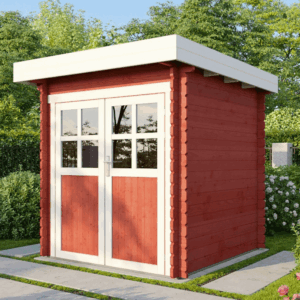
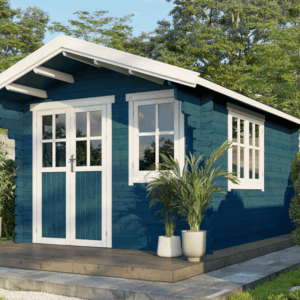
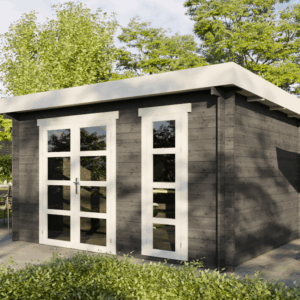
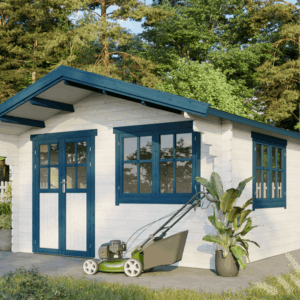
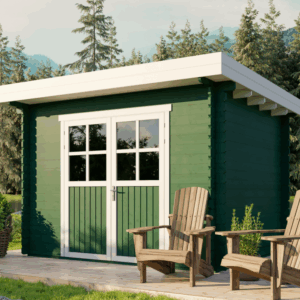
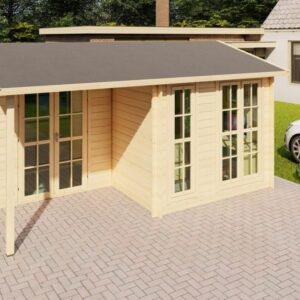
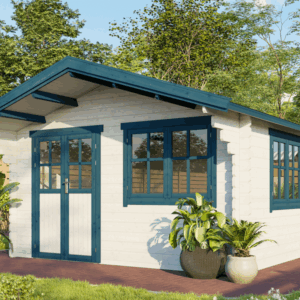
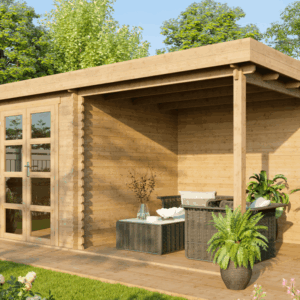
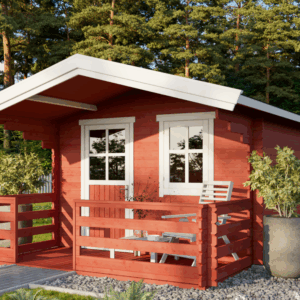
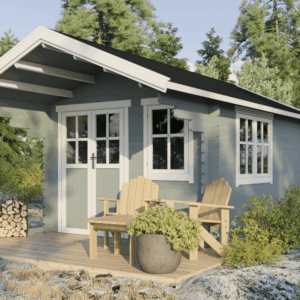
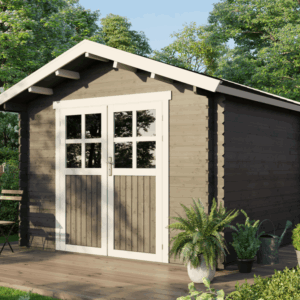
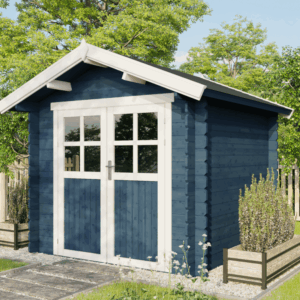
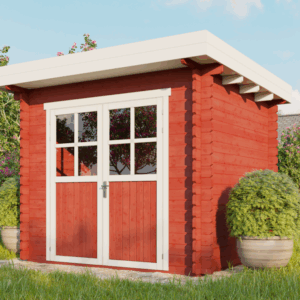
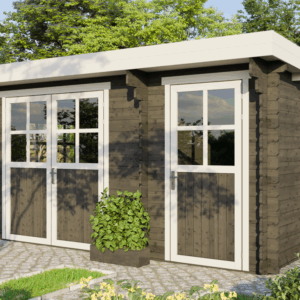
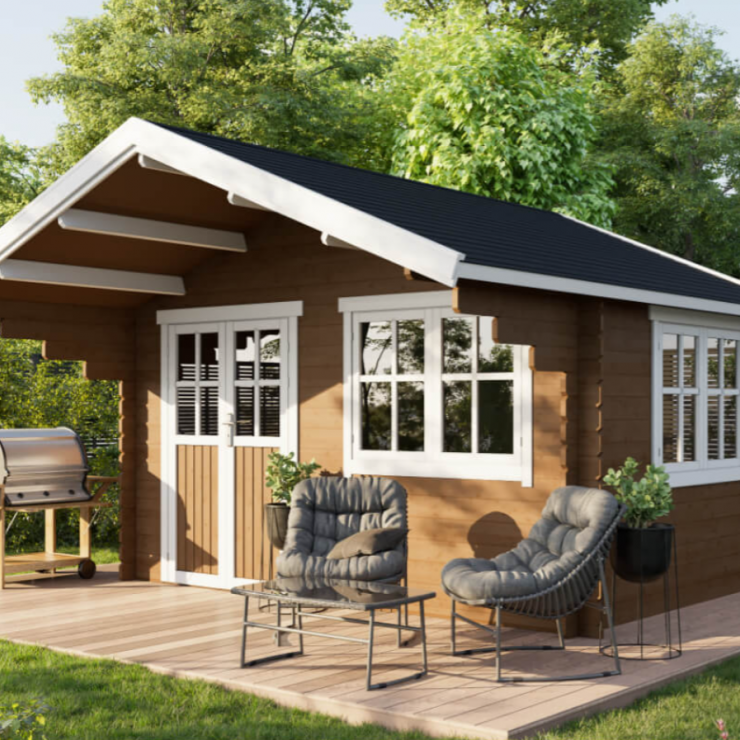
The allure of a log cabin home is undeniable, conjuring images of cozy evenings by the fire, the scent of pine, and a deep connection with nature. For many, this dream is amplified when set against the breathtaking landscapes of Northern Ireland. From the rugged coastlines of the Causeway Coast to the serene beauty of the Mourne Mountains, the potential for a picturesque log cabin retreat is immense. This guide will delve into everything you need to know about building, buying, and living in a log cabin home in Northern Ireland, offering insights and practical advice for aspiring cabin owners.
Northern Ireland’s unique charm makes it an ideal location for those seeking a tranquil and picturesque lifestyle. The rich history, stunning natural beauty, and welcoming communities all contribute to the appeal of establishing roots in a log cabin. Whether you envision a permanent residence or a holiday escape, understanding the nuances of log cabin living in this specific region is crucial for a successful and fulfilling experience.
The Enduring Appeal of Log Cabin Living in Northern Ireland
Log cabins offer a distinct architectural aesthetic that is both timeless and deeply rooted in a connection with the natural environment. The use of natural materials, primarily timber, creates a warm, inviting, and organic living space. This aesthetic perfectly complements the wild and untamed beauty of Northern Ireland’s countryside, allowing the structure to blend seamlessly with its surroundings rather than imposing upon them.
Beyond aesthetics, log cabins often evoke a sense of peace and simplicity. The inherent qualities of wood as a building material contribute to a healthier indoor environment, with natural insulation properties that can lead to improved energy efficiency. This focus on natural living resonates strongly with the growing desire for sustainable and environmentally conscious lifestyles, a trend that is gaining momentum across the globe, including in Northern Ireland.
Navigating the Path to Your Northern Ireland Log Cabin
Embarking on the journey to own a log cabin in Northern Ireland involves several key considerations, from initial planning to the practicalities of construction or acquisition. Understanding the local planning regulations, sourcing appropriate materials, and finding suitable land are paramount. This section will outline the primary routes to achieving your log cabin dream in this beautiful part of the world.
Building Your Dream Log Cabin from Scratch
For those with a clear vision and a desire for complete customization, building a log cabin from scratch offers the ultimate control over design, materials, and location. This route allows you to tailor every aspect of your home to your specific needs and preferences, ensuring it perfectly complements the chosen landscape and your personal style. It’s a rewarding but often complex process that requires careful planning and execution.
The initial phase of building involves securing a suitable plot of land. Northern Ireland offers a diverse range of settings, from secluded rural sites with panoramic views to plots closer to charming villages. Thorough research into the local planning authority’s policies regarding log cabin construction is essential, as regulations can vary. Engaging with architects and log cabin kit suppliers early in the process can provide invaluable guidance on design feasibility and compliance.
Choosing the right type of logs and construction method is a critical decision that impacts the aesthetics, durability, and maintenance requirements of your log cabin. Northern Ireland’s climate, with its propensity for rain and wind, necessitates robust construction techniques and the use of weather-resistant timber. Traditional log building methods, such as handcrafted logs, offer a rustic charm, while milled logs provide a more uniform and modern finish. Expert advice on timber treatment and sealing is vital to ensure longevity and to protect your investment against the elements.
The Advantages of Log Cabin Kits
Log cabin kits offer a streamlined approach to building, providing pre-cut and pre-fabricated components that significantly simplify the construction process. These kits are often designed by experienced log home builders and can be a more cost-effective and time-efficient option compared to building entirely from raw materials. They typically include all the necessary logs, fasteners, and sometimes even windows and doors, with detailed instructions for assembly.
When selecting a log cabin kit for Northern Ireland, it’s important to consider the quality of the timber and the insulation properties. Reputable suppliers will offer kits made from sustainably sourced, high-quality wood that is seasoned to prevent excessive shrinkage or warping. Understanding the thermal performance of the chosen kit is crucial for ensuring a comfortable and energy-efficient home, especially in the cooler Northern Irish climate. Many kit providers offer various wall thicknesses and insulation options to meet different needs and budgets.
While a kit provides the core structure, professional installation services are often recommended, especially for those with limited construction experience. A skilled team can ensure that the cabin is assembled correctly, meeting structural integrity standards and complying with local building codes. This can save considerable time and potential headaches, allowing you to focus on the finishing touches and interior design of your new log home.
Finding Your Perfect Plot of Land
The search for land is perhaps the most exciting, yet challenging, aspect of creating a log cabin home in Northern Ireland. The ideal plot will not only offer the desired setting but also be amenable to planning permission for residential development. Factors such as accessibility, proximity to amenities, and the natural topography of the land all play a significant role in the long-term enjoyment of your property.
When scouting for land, consider the unique beauty of different regions. The rolling hills of County Tyrone, the dramatic coastline of County Antrim, or the serene lakes of County Fermanagh each offer distinct backdrops for a log cabin. Researching local planning zones and understanding any restrictions on development is a critical first step. It’s advisable to consult with local estate agents specializing in rural properties and to engage with the relevant planning department of the local council early in your search.
The natural features of a plot can be both a blessing and a challenge. Consider how a log cabin would integrate with existing trees, slopes, and water features. Proper site preparation, including drainage and foundation work, is essential for the longevity of any structure. Seeking advice from a local surveyor or an architect experienced in rural developments can help you assess the suitability and potential of a plot for your log cabin aspirations.
Designing Your Log Cabin for the Northern Ireland Environment
Creating a log cabin that not only looks stunning but also functions optimally within Northern Ireland’s climate requires thoughtful design considerations. From the choice of timber to the placement of windows, every detail contributes to the comfort, efficiency, and longevity of your home.
Timber Selection: Quality and Sustainability
The type of timber used in your log cabin is a fundamental decision that impacts its appearance, durability, and environmental footprint. For Northern Ireland, woods known for their resistance to moisture and decay are highly recommended. Pine and spruce are popular choices due to their availability and good insulating properties, but hardwoods like oak can offer exceptional longevity and a more premium aesthetic, albeit at a higher cost.
Sustainability is a growing concern for many homeowners. Opting for timber sourced from responsibly managed forests, ideally certified by organizations like the Forest Stewardship Council (FSC), ensures that your log cabin is built with environmental integrity. Local sourcing, where possible, can also reduce the carbon footprint associated with transportation. Proper seasoning and treatment of the timber are crucial to prevent issues like rot, insect infestation, and excessive movement, especially in the damp Northern Irish climate.
Insulation and Energy Efficiency
Log cabins can be incredibly energy-efficient if designed and built with proper insulation. While timber itself offers a degree of natural insulation, additional measures are often necessary to meet modern energy performance standards, particularly in a climate like Northern Ireland’s. This might involve using thicker logs, incorporating insulation within the walls or roof, and ensuring airtightness.
Considerations for insulation include the type of logs used (e.g., solid logs versus insulated log systems), the quality of window and door seals, and the insulation in the roof and floor. High-performance glazing for windows and doors is also vital to minimize heat loss. Exploring renewable energy solutions, such as solar panels or air-source heat pumps, can further enhance the sustainability and reduce the running costs of your log cabin, making it a truly eco-friendly dwelling.
Architectural Styles and Practical Considerations
Log cabins in Northern Ireland can range from rustic, traditional designs to more contemporary interpretations. The architectural style should complement the surrounding landscape while also meeting the practical needs of everyday living. Think about the layout, the size of rooms, and the integration of indoor and outdoor living spaces.
Consider the orientation of your log cabin to maximize natural light and passive solar gain, particularly during the colder months. Large windows to the south can help warm your home naturally, reducing the need for artificial heating. Conversely, protection from prevailing winds might be necessary, perhaps through strategic landscaping or building orientation. Planning for sufficient storage, ventilation, and potential future extensions can ensure your log cabin remains a practical and comfortable home for years to come.
Living the Log Cabin Lifestyle in Northern Ireland
Embracing a log cabin lifestyle in Northern Ireland offers a unique blend of tranquility, connection with nature, and a slower pace of life. It’s a choice that resonates with those seeking an escape from the hustle and bustle of urban living and a deeper appreciation for their surroundings.
Embracing the Natural Surroundings
The beauty of Northern Ireland is a significant draw for log cabin dwellers. Imagine waking up to the sound of birdsong, stepping out onto your porch with a cup of coffee to admire rolling hills or a distant coastline, and spending evenings gazing at starlit skies. The proximity to nature provides unparalleled opportunities for outdoor activities, from hiking and cycling to exploring the numerous natural attractions.
Many log cabins are situated in rural areas, offering a sense of seclusion and peace. This allows for a more immersive experience with the natural world, fostering a sense of well-being and reducing stress. The changing seasons in Northern Ireland – from the vibrant greens of spring and summer to the dramatic colours of autumn and the quiet beauty of winter – add a dynamic and ever-evolving backdrop to your log cabin home.
Community and Local Amenities
While log cabins often evoke images of solitude, they are frequently located within reach of charming villages and towns. These communities offer a sense of belonging and provide access to essential amenities, local shops, and traditional pubs. Engaging with the local community can enrich your experience and help you feel truly settled.
Northern Ireland is known for its warm and friendly communities. Living in a log cabin can offer a unique opportunity to connect with the local culture and traditions. Farmers’ markets, local festivals, and community events provide excellent avenues for integration. Furthermore, access to good schools, healthcare services, and transportation links can ensure that a rural log cabin lifestyle remains practical and convenient for families and individuals alike.
Maintaining Your Northern Ireland Log Cabin
Proper maintenance is essential to ensure the longevity and beauty of your log cabin. The natural materials require specific care to protect them from the elements and to preserve their structural integrity and aesthetic appeal.
Regular Inspections and Cleaning
Routine inspections of your log cabin are crucial for early detection of any potential issues. Check for signs of wear and tear, such as cracked or peeling sealant, insect activity, or moisture damage. Cleaning your logs regularly helps to remove dirt, debris, and moss that can trap moisture and lead to rot. The frequency of cleaning will depend on your cabin’s location and exposure to the elements.
Pay close attention to areas around windows, doors, and the roofline, as these are common points where water ingress can occur. Clearing gutters and downspouts regularly will prevent water from pooling around the foundation. Proper ventilation is also key; ensuring good airflow around your cabin will help to keep the timber dry and healthy.
Protective Treatments and Sealants
The timber of your log cabin will require periodic reapplication of protective stains and sealants. These treatments shield the wood from UV rays, moisture, and insect damage, and also enhance its appearance. The specific type of stain and sealant you use will depend on the type of wood and the desired finish, but it’s vital to choose products specifically designed for log homes.
The frequency of reapplication will vary depending on the product used and the environmental exposure. It’s often recommended to reapply every 3-5 years, but it’s best to follow the manufacturer’s guidelines and to inspect the finish regularly. Investing in high-quality, reputable products will ensure better protection and a longer-lasting finish, ultimately saving you time and money in the long run.
Conclusion: Your Log Cabin Dream Awaits in Northern Ireland
Building or buying a log cabin home in Northern Ireland is a journey that promises a life of tranquility, connection with nature, and a unique living experience. From the initial dream to the final touches, careful planning, informed decisions, and a commitment to maintenance are key to creating a cherished home that stands the test of time.
With its stunning landscapes, welcoming communities, and the enduring appeal of natural living, Northern Ireland offers the perfect canvas for your log cabin aspirations. By understanding the process, embracing the challenges, and celebrating the rewards, you can make your log cabin dream a beautiful reality in this enchanting part of the world. The call of the wild, combined with the comfort and warmth of a log home, is an invitation to a lifestyle that many only dream of.
“`
Looking for services in Causeway? You may also like: Flower Delivery 24.