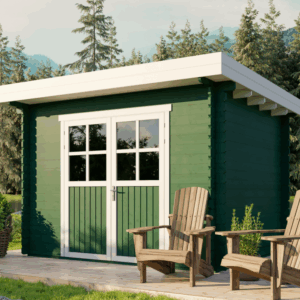
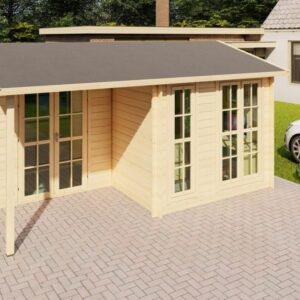
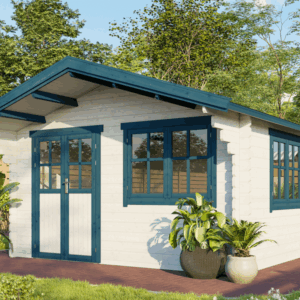
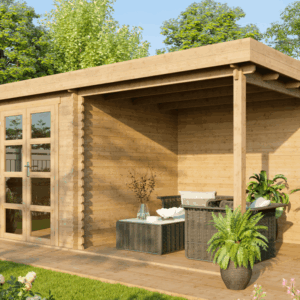
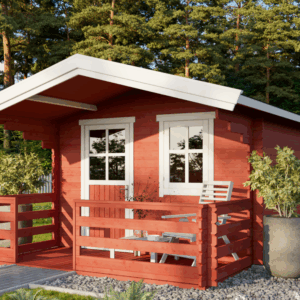
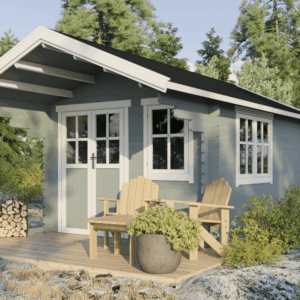
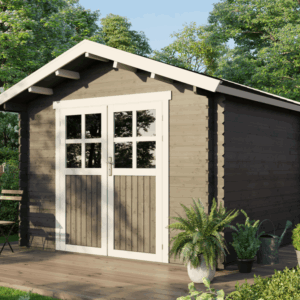
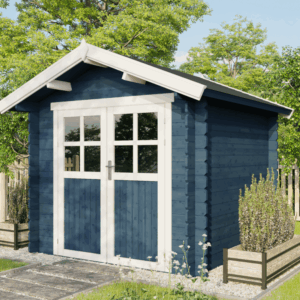
Imagine waking up to the scent of pine, the gentle murmur of a nearby stream, and panoramic views of rolling green hills – this is the quintessential log cabin dream, and it’s more achievable in Northern Ireland than you might think. For centuries, log cabins have symbolized rustic charm, enduring strength, and a deep connection to nature. Today, the appeal of these unique dwellings extends far beyond tradition, offering a sustainable, character-filled alternative to conventional housing. This guide will explore the burgeoning world of log cabin homes in Northern Ireland, from their inherent benefits and design considerations to the practicalities of making this idyllic lifestyle a reality.
The allure of a log cabin home is undeniable, tapping into a primal desire for simplicity, warmth, and a harmonious existence with the natural world. In Northern Ireland, with its breathtaking landscapes and rich heritage, a log cabin offers a chance to truly immerse yourself in the environment. These homes are not just structures; they are living, breathing spaces that evolve with the seasons, providing a constant reminder of nature’s beauty and resilience.
This guide is designed to be your comprehensive resource, whether you’re just beginning to explore the possibility of owning a log cabin or you’re ready to take the next steps. We’ll delve into the practical aspects, address common concerns, and showcase why Northern Ireland is an exceptional place to build your log cabin sanctuary. Get ready to discover the magic of log cabin living.
The Enduring Appeal of Log Cabin Living in Northern Ireland
Log cabin homes offer a unique blend of rustic aesthetics and modern comfort that continues to captivate homeowners. The natural beauty of exposed timber provides an inherent warmth and character that is difficult to replicate with conventional building materials. This tactile and visual connection to nature fosters a sense of peace and well-being, making them ideal retreats from the hustle and bustle of modern life.
The environmental benefits of log construction are increasingly recognized. Wood is a renewable resource, and when sourced sustainably, it offers a lower carbon footprint compared to many other building materials. The natural insulating properties of timber also contribute to energy efficiency, leading to lower heating bills and a more comfortable living environment year-round. Northern Ireland’s commitment to green initiatives makes log cabin construction a fitting choice for the environmentally conscious.
Beyond aesthetics and sustainability, log cabins embody a sense of timelessness and durability. Properly maintained, a well-built log home can last for generations, becoming a cherished family heirloom. This longevity, combined with the inherent strength of timber, offers a secure and comforting place to call home. The rich history of log construction, evident in many parts of the world, speaks volumes about its enduring quality.
Designing Your Northern Ireland Log Cabin: From Concept to Creation
The journey to your dream log cabin begins with thoughtful design, tailored to your lifestyle and the unique Northern Irish landscape. Consider the style of logs you prefer, whether it’s the classic round logs, the more contemporary squared-off timber, or even the rustic charm of hand-hewn beams. Each offers a distinct visual appeal and construction method, influencing the overall aesthetic of your home.
Your log cabin’s layout should maximize natural light and take full advantage of surrounding views. Large windows are essential for bringing the outdoors in, and careful placement can ensure you capture the best of Northern Ireland’s stunning scenery. Think about the flow of your living spaces, ensuring they are both functional for everyday life and conducive to relaxation and entertaining.
Material selection is paramount, extending beyond the logs themselves. Consider the roofing, insulation, and interior finishes that will complement the natural timber. High-quality, durable materials will not only enhance the beauty of your cabin but also ensure its longevity and low maintenance. Working with experienced architects and builders who understand log construction is crucial at this stage.
Choosing the Right Log Style
The type of log you choose significantly impacts the aesthetic and construction of your Northern Ireland log cabin. Round logs offer that iconic, rustic look often associated with traditional cabins, providing a warm and inviting feel. These are typically milled from whole trees, retaining their natural shape and character.
Squared logs, also known as D-logs or timber logs, present a more contemporary and streamlined appearance. They are easier to stack and seal, often leading to a more airtight structure and a cleaner, more modern finish. This style can also be more conducive to integrating standard windows and doors.
For a truly unique and artisanal feel, hand-hewn logs are an excellent option. These logs are shaped by hand with an axe or adze, resulting in distinctive tool marks and a raw, natural beauty. This method is more labor-intensive but creates a truly one-of-a-kind log cabin that tells a story.
Maximizing Views and Natural Light
Northern Ireland boasts some of the most spectacular natural landscapes in the world, and your log cabin should celebrate them. Strategic window placement is key to framing breathtaking views, whether it’s overlooking the Mourne Mountains, the rugged coastline, or a serene forest. Consider large picture windows in living areas and bedrooms to bring the outside in.
Beyond static views, think about how natural light will illuminate your home throughout the day. Skylights can bring light into darker corners, and well-positioned windows can create a bright and airy atmosphere, even on overcast days. This connection to natural light enhances the sense of well-being within the cabin.
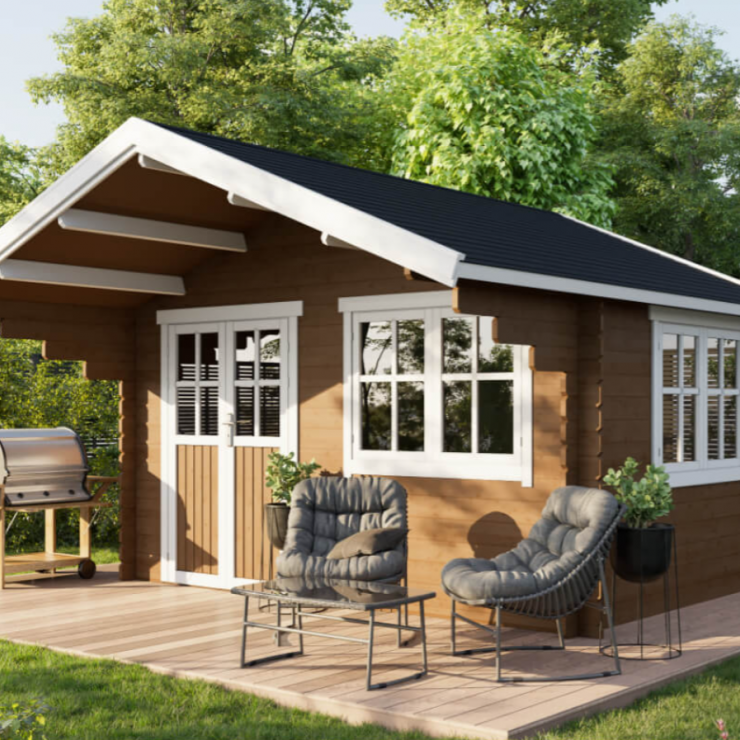
Verandas, decks, and covered porches are also excellent additions that blur the lines between indoor and outdoor living. These spaces allow you to enjoy the fresh air and stunning scenery in comfort, providing seamless transitions to your natural surroundings. They are perfect for morning coffees or evening relaxation.
Navigating the Practicalities: Building Regulations and Permissions
Embarking on a log cabin build in Northern Ireland requires understanding and adhering to local planning and building regulations. While the appeal of a rustic dwelling is strong, it’s essential to ensure your project meets all legal requirements for safety, structural integrity, and environmental standards. Early engagement with your local planning authority is highly recommended.
This typically involves submitting detailed plans, including architectural drawings, structural calculations, and site surveys. You’ll need to demonstrate how your log cabin will integrate with the surrounding environment and comply with energy efficiency standards. Experienced professionals can guide you through this complex but necessary process, ensuring a smooth path to approval.
Securing the right permissions is a crucial step that prevents potential delays and complications down the line. Thorough research and professional assistance will ensure your dream log cabin becomes a legal and safe reality, built to last and enjoyed for years to come.
Understanding Planning Permission in Northern Ireland
Gaining planning permission for any new build, including log cabins, is a mandatory step in Northern Ireland. The Department for Infrastructure’s Planning Service is the governing body, and they assess applications based on local development plans and national policies. They consider factors such as the visual impact on the landscape, access to services, and potential impact on neighboring properties.
It’s vital to research the specific planning policies for the area in which you intend to build. Some rural areas may have stricter guidelines regarding new developments to preserve the natural beauty of the countryside. Consulting with a local planning consultant or an architect with experience in Northern Ireland can provide invaluable insight and help you prepare a robust application.
Be prepared to provide comprehensive documentation, including site plans, architectural drawings, and potentially environmental impact assessments. Demonstrating how your log cabin will complement its surroundings and meet all relevant building standards will significantly strengthen your application. Patience and thorough preparation are key to a successful outcome.
Building Regulations for Timber Structures
Beyond planning permission, your log cabin must comply with Northern Ireland’s Building Regulations. These regulations cover aspects such as structural stability, fire safety, energy efficiency, ventilation, and sanitation. The aim is to ensure the health, safety, and welfare of people in and around the building, as well as to conserve fuel and power.
For log cabin construction, specific attention will be paid to the joinery of the logs, the insulation of the walls and roof, and the overall structural integrity. You will likely need to engage a building control body (either the local council or an approved inspector) to assess your plans and inspect the construction at various stages.
Understanding the technical requirements for timber construction is essential. This includes details on timber treatments to prevent rot and insect infestation, as well as methods for achieving adequate thermal performance to meet current energy efficiency standards. Working with builders who are knowledgeable about these regulations will streamline the process and ensure compliance.
Building Your Log Cabin: From Kit Homes to Bespoke Creations
The approach to constructing your log cabin can vary significantly, offering flexibility to suit your budget, timeline, and desired level of involvement. Log cabin kits provide a popular and often cost-effective option, delivering pre-cut logs and components directly to your site. These kits can range from basic shell structures to fully comprehensive packages with windows, doors, and roofing included.
Alternatively, a bespoke log cabin allows for complete customization, from the initial design concepts to the final intricate details. This approach offers unparalleled freedom to create a home that perfectly reflects your personal style and functional needs, though it typically involves a higher investment and longer build time. Working with a specialist log home builder is key here.
Regardless of your chosen method, the expertise of the builders is paramount. Log construction requires specialized skills and knowledge to ensure the structural integrity, airtightness, and aesthetic quality of your home. Choosing a reputable builder with a proven track record in log cabin construction is the most critical factor for success.
Log Cabin Kits: A Streamlined Approach
Log cabin kits have become an increasingly popular choice for individuals seeking a more manageable and often more affordable entry into log home ownership. These kits typically consist of precisely milled logs and other essential structural components, all pre-cut to fit together like a puzzle. They come with detailed assembly instructions, empowering even those with moderate DIY skills to participate in the build.
The advantages of opting for a kit include a reduced construction timeline and often a more predictable budget, as most materials are accounted for upfront. Many suppliers offer various customization options within their kit ranges, allowing for adjustments to window and door placements or even the number of rooms. This balance between pre-fabrication and personalization makes kits a compelling option.
However, it’s crucial to select a reputable kit supplier that uses high-quality timber and provides comprehensive support. Understanding what is and isn’t included in the kit is also important, as you may need to factor in costs for foundations, roofing materials, internal finishes, and professional labor for certain aspects of the build.
Bespoke Log Homes: Unparalleled Customization
For those with a clear vision and a desire for complete control over every aspect of their home, a bespoke log cabin offers the ultimate in customization. This approach involves working closely with architects and specialist log home builders from the initial design phase through to the final construction. Every detail, from the specific log profile and timber species to the roofline, window styles, and interior layout, can be tailored to your exact specifications.
A bespoke build allows you to create a truly unique dwelling that perfectly harmonizes with its surroundings and your individual lifestyle needs. It’s an opportunity to incorporate features that might not be available in standard kits, such as intricate timber joinery, custom-designed fireplaces, or extensive outdoor living spaces. This level of personalization often results in a home with exceptional character and enduring appeal.
While bespoke log homes offer unparalleled creative freedom, they generally come with a higher price tag and a longer lead time compared to kit homes. The success of a bespoke build hinges on finding a skilled and experienced log home builder who can translate your vision into a tangible, high-quality structure that stands the test of time.
Maintaining Your Log Cabin: Preserving Its Natural Beauty
Investing in a log cabin means committing to its ongoing care to ensure its longevity and pristine appearance. Proper maintenance is not overly burdensome but requires a proactive approach and an understanding of how timber behaves. Regular inspections for any signs of wear or potential issues are fundamental to preventing minor problems from escalating.
The exterior of your log cabin will require periodic treatments to protect it from the elements, including UV rays, moisture, and insects. Stains and sealants not only preserve the wood but also enhance its natural color and grain, contributing to the cabin’s aesthetic appeal. Choosing the right products specifically designed for log homes is crucial for effectiveness and durability.
Interior maintenance is generally less intensive but still important. Keeping the interior clean, ensuring good ventilation, and addressing any moisture issues promptly will help maintain the integrity and beauty of the timber. With consistent care, your Northern Ireland log cabin will remain a cherished sanctuary for decades to come.
Exterior Protection and Treatment
The exterior timber of your log cabin is constantly exposed to the elements, making proactive protection essential for its longevity. Regular cleaning to remove dirt, mildew, and cobwebs is the first step in maintaining the wood’s health. This can be done with mild detergents and water, avoiding harsh chemicals that can damage the finish.
Applying a high-quality stain or sealant is critical for protecting the logs from UV radiation, moisture, and insect infestation. These treatments should be chosen based on the type of timber used and the desired aesthetic. Look for products that offer excellent water repellency, UV protection, and are breathable to allow moisture vapor to escape from within the logs.
The frequency of reapplication will depend on the product used, the climate, and the cabin’s exposure to sunlight and rain, but typically ranges from three to five years. Inspecting the logs annually for any signs of wear, cracking, or fading will help you determine the optimal time for re-treatment. A well-maintained exterior is key to preserving the beauty and structural integrity of your log home.
Interior Care and Ventilation
While the interior of your log cabin may seem less exposed, proper care is still essential to maintain its comfort and integrity. Regular dusting and vacuuming of the log walls will prevent the accumulation of dust and allergens, preserving the natural beauty of the wood. For any minor scuffs or marks, a gentle cleaning solution specifically designed for wood can often suffice.
Good ventilation is crucial for controlling moisture levels within the cabin. This helps prevent the growth of mold and mildew, which can damage the timber and affect indoor air quality. Ensuring adequate airflow through windows, vents, and potentially a dehumidifier in more humid conditions will contribute to a healthy living environment.
Be mindful of placing overly damp items directly against log walls, and address any leaks or spills promptly. By paying attention to these interior care practices, you can ensure that the inside of your log cabin remains as inviting and well-preserved as its charming exterior.
Conclusion: Your Log Cabin Dream Awaits in Northern Ireland
The allure of a log cabin home in Northern Ireland is a potent blend of natural beauty, sustainable living, and enduring charm. From the initial dream to the final, cozy evenings spent by a crackling fire, the journey offers immense reward. With careful planning, adherence to regulations, and a commitment to quality craftsmanship, your log cabin sanctuary can become a reality.
Northern Ireland’s stunning landscapes provide an idyllic backdrop for this unique way of life. Imagine the peace of waking up surrounded by nature, the warmth of timber walls, and the satisfaction of living in a home that is both beautiful and environmentally conscious. The possibilities are as vast as the countryside itself.
This comprehensive guide has illuminated the path to log cabin ownership, from design considerations and planning permission to construction methods and ongoing maintenance. Embrace the opportunity to create a truly special home that will be cherished for generations to come. Your dream log cabin in the heart of Northern Ireland awaits.
“`