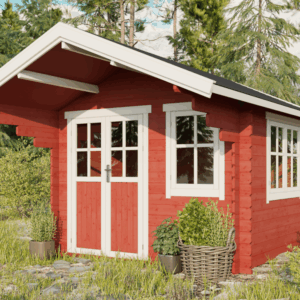
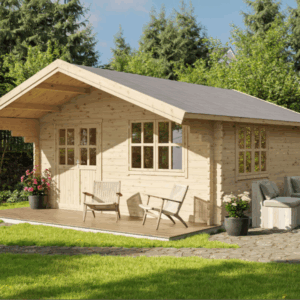
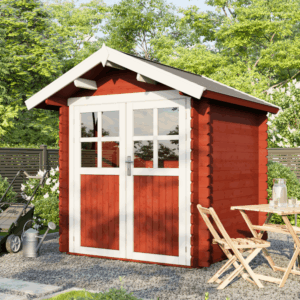
Imagine waking up to the gentle rustle of leaves, the scent of pine filling the air, and the breathtaking beauty of the Irish countryside stretching before your window. This idyllic scene is precisely what a log cabin home in Ireland can offer. Far more than just a rustic retreat, these structures are increasingly becoming sophisticated, energy-efficient, and desirable places to live, blending seamlessly with Ireland’s natural heritage. This guide will explore the allure, practicalities, and possibilities of owning a log cabin in the Emerald Isle, from initial planning to creating your perfect, cosy sanctuary.
The appeal of log cabins in Ireland is deeply rooted in our nation’s history and appreciation for nature. For centuries, timber structures have dotted the landscape, and the modern log cabin reinterprets this tradition with contemporary comfort and design. They evoke a sense of peace, connection to the environment, and a slower pace of life, which is increasingly sought after in today’s busy world. Owning a log cabin is not just about acquiring a property; it’s about embracing a lifestyle that prioritizes natural beauty and serene living.
For many, the idea of a log cabin conjures images of cosy evenings by a crackling fire, surrounded by the warmth and character of natural wood. This aesthetic is a significant draw, offering an alternative to more conventional housing. The unique texture, aroma, and visual appeal of timber create an atmosphere that is both inviting and inherently calming, making it a perfect antidote to modern urban stress. It’s an embodiment of organic architecture, where the building itself feels like a part of the landscape.
The Unique Allure of Log Cabins in Ireland
Ireland’s stunning natural landscapes provide the perfect backdrop for a log cabin. Rolling green hills, dramatic coastlines, and tranquil forests all offer unique settings that enhance the charm of a timber dwelling. Whether nestled in the wilds of Connemara, overlooking the Atlantic on the west coast, or tucked away in a peaceful woodland in the midlands, a log cabin can become an integral part of its environment. This natural integration is a key part of their enduring appeal, offering a profound connection to the land.
Beyond the aesthetic, log cabins offer a tangible sense of solidity and tradition. The craftsmanship involved in constructing a quality log home speaks to a timeless building practice. This sense of permanence, combined with the natural materials, creates a feeling of security and belonging. It’s a connection to a more elemental way of living, where the structure itself feels grounded and authentic, offering a comforting embrace.
Furthermore, a log cabin can represent a commitment to a more sustainable lifestyle. When sourced responsibly, timber is a renewable building material, and modern log construction techniques often incorporate excellent insulation and energy efficiency. This aligns perfectly with a growing desire for eco-conscious living and minimizing one’s environmental footprint. It’s a choice that feels good for the soul and good for the planet.
Planning Your Log Cabin Dream: Key Considerations
Embarking on the journey of building a log cabin in Ireland requires careful planning and an understanding of specific considerations. Location is paramount; think about the views you desire, the proximity to amenities, and the local planning regulations. Exploring potential sites early in the process will save time and effort down the line, ensuring your chosen spot truly sings to your vision.
Understanding local planning laws and regulations is crucial. While Ireland has embraced various building styles, specific requirements for log cabins, particularly concerning their classification as primary residences or holiday homes, need thorough investigation. Consulting with local authorities or an experienced architect familiar with rural planning is highly recommended to avoid any unexpected hurdles.
Budgeting is another critical aspect. The cost of a log cabin can vary significantly based on size, design complexity, the type of timber used, and the level of finish. It’s essential to factor in not only the structural build but also land costs, site preparation, foundations, utilities, interior finishes, and landscaping. Obtaining detailed quotes from reputable log cabin suppliers is a vital first step in establishing a realistic financial framework.
Choosing the Right Timber and Construction Method
The type of timber selected for your log cabin significantly impacts its appearance, durability, and maintenance requirements. Common choices include pine, spruce, and cedar, each offering distinct characteristics. Pine and spruce are generally more affordable and widely available, while cedar is prized for its natural resistance to rot and insects, though it comes at a higher cost. Consider the long-term implications of each wood type for your specific climate and desired aesthetic.
Two primary construction methods dominate the log cabin market: solid log construction and timber frame with log cladding. Solid log homes utilize whole logs stacked and interlocked to form the walls, providing a substantial and authentic feel. Timber frame construction uses a traditional stud frame, with log profiles applied to the exterior for that classic log cabin look, offering potentially greater design flexibility and easier integration of modern insulation techniques.
The quality of the timber processing and the fitting of the logs are also vital. High-quality log cabins are typically made from kiln-dried timber to minimize shrinkage and warping. Look for suppliers who offer pre-cut logs with precise joinery, often referred to as milled logs or tongue-and-groove systems, which ensure a tight fit and excellent weather resistance.
Designing Your Bespoke Irish Log Cabin
The beauty of opting for a log cabin is the inherent flexibility in design. You can choose from a range of pre-designed plans offered by manufacturers or work with an architect to create a completely bespoke home tailored to your specific needs and the nuances of your chosen site. Consider the flow of the interior spaces, the placement of windows to maximize natural light and views, and the integration of modern amenities.
Think about how you envision living in your log cabin. Will it be a cosy weekend retreat, a full-time residence, or perhaps a holiday rental? This will influence the number of bedrooms, the layout of living areas, and the inclusion of features like home offices or recreational spaces. A well-designed log cabin should feel both spacious and intimate, a true reflection of your personal style and functional requirements.
Incorporating traditional Irish architectural elements can further enhance the charm and sense of place. This might include features like natural stone accents, slate roofing, or traditional window styles. Harmonizing the log cabin’s natural materials with these local touches can create a dwelling that feels both unique and authentically Irish, deeply rooted in its surroundings.
Building and Maintaining Your Log Cabin
The construction process for a log cabin can be surprisingly efficient, especially when opting for pre-fabricated kits. These kits are manufactured off-site and then assembled on your prepared foundation. This can significantly reduce on-site building time and minimize disruption. However, ensuring a competent and experienced construction team is paramount for a successful build, regardless of the kit’s origin.
Maintaining a log cabin, while different from conventional homes, is straightforward when approached systematically. Regular inspection of the logs for any signs of moisture ingress or pest activity is key. Applying appropriate sealants and stains at recommended intervals will protect the timber from the elements and preserve its beauty. This proactive approach will ensure the longevity and structural integrity of your investment for years to come.
Modern log cabin designs often incorporate advanced insulation techniques within the log walls or through external cladding, ensuring excellent thermal performance. This means your log cabin can be as warm and energy-efficient as any modern home, providing comfortable living throughout Ireland’s varied climate. Investing in high-quality insulation and efficient heating systems will contribute to lower energy bills and a more sustainable living experience.
The Lifestyle and Community Aspect
Owning a log cabin in Ireland often means embracing a lifestyle connected to nature and the outdoors. Many cabin owners find themselves spending more time enjoying their surroundings, whether it’s hiking, gardening, or simply relaxing on their porch. This immersion in the natural world can lead to a profound sense of well-being and a richer, more fulfilling life.
The sense of community in rural Ireland is a significant draw for many seeking a log cabin. While your cabin may offer a private sanctuary, you’ll likely find yourself part of a welcoming local community. Engaging with neighbours and participating in local events can enrich your experience and foster a true sense of belonging, transforming your cabin into a home within a vibrant social fabric.
For those considering a log cabin as an investment, the potential for holiday rentals is also a strong consideration. Ireland’s popularity as a tourist destination means that unique and charming accommodations like log cabins are highly sought after. Careful marketing and management can turn your log cabin into a lucrative venture, allowing others to experience the magic of a rustic Irish escape.
Finding Your Perfect Log Cabin Location in Ireland
Ireland offers a diverse range of stunning landscapes, each providing a unique setting for a log cabin. The rugged beauty of the west coast, with its dramatic cliffs and windswept beaches, offers unparalleled ocean vistas. Inland, the lush green valleys and tranquil lakes provide a more sheltered and pastoral environment, perfect for those seeking peace and quiet.
When scouting for your ideal location, consider the balance between seclusion and accessibility. While the allure of remote living is strong, having reasonable access to local towns for supplies, services, and social interaction is often desirable. Think about the journey to your cabin and whether it aligns with your expectations for daily life or holiday visits.
Investigating local amenities and infrastructure is also important. This includes checking for reliable broadband access, which is increasingly vital for both work and leisure. Understanding the availability of utilities like water, electricity, and waste disposal in your chosen area will prevent future complications and ensure comfortable living.
Your Irish Log Cabin Journey Awaits
Building a log cabin in Ireland is more than just a construction project; it’s the realization of a dream. It’s about creating a space that reflects your appreciation for natural beauty, craftsmanship, and a life lived at a more connected pace. The combination of rustic charm and modern comfort offers a unique living experience that is both timeless and increasingly relevant.
From the initial spark of inspiration to the final touches that make a house a home, the journey of creating your log cabin is incredibly rewarding. By understanding the key considerations, embracing the design possibilities, and committing to quality, you can build a sanctuary that you and your loved ones will cherish for generations. The magic of an Irish log cabin is waiting for you to discover.
Whether you envision a secluded retreat deep in the countryside or a charming getaway near a bustling village, Ireland offers endless possibilities for your log cabin aspirations. Embrace the spirit of adventure, connect with the natural world, and build a home that truly resonates with your soul. Your dream log cabin in Ireland is within reach, offering a lifetime of peaceful, beautiful living.
“`