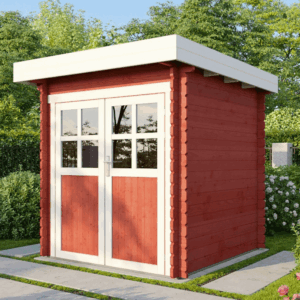
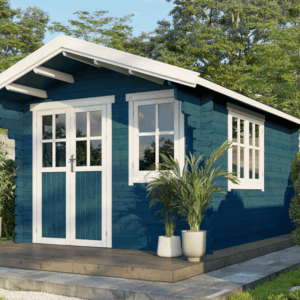
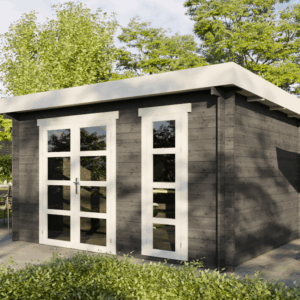
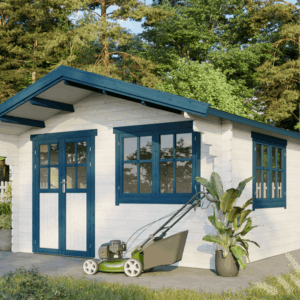
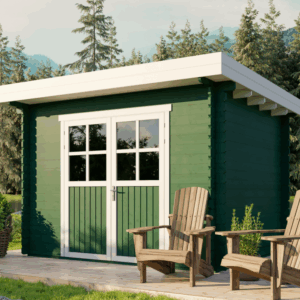
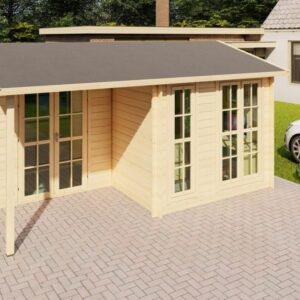
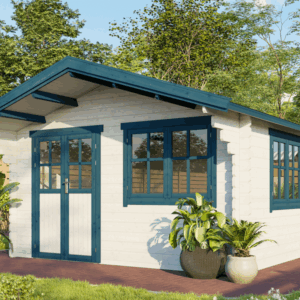
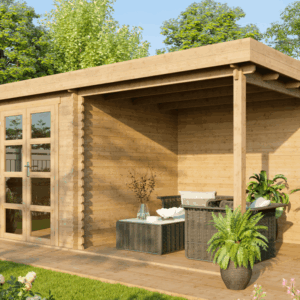
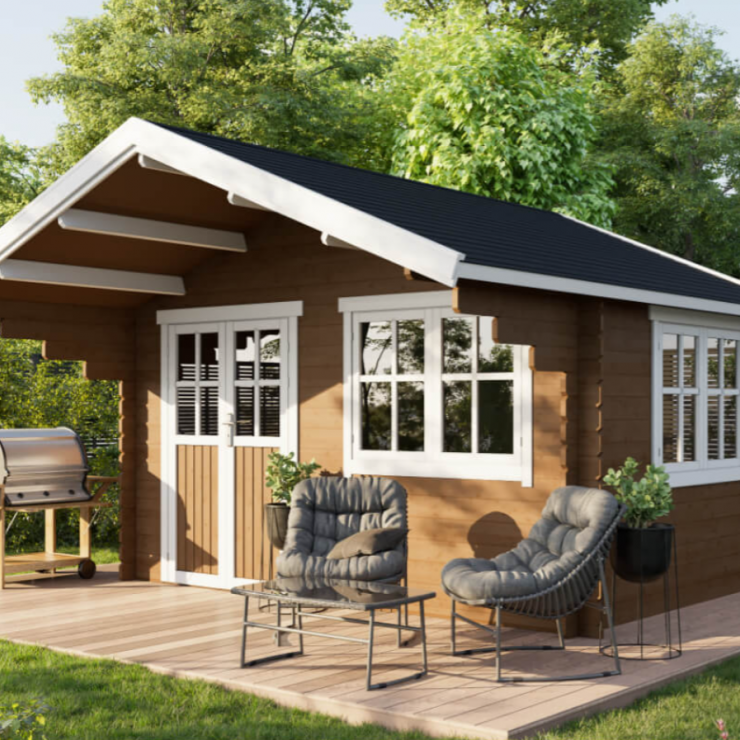
Imagine waking up to the gentle scent of pine, sunlight streaming through rustic timber beams, and the feeling of being truly connected to nature. This idyllic picture is the reality for many who choose to build residential log houses in Ireland. Far from being a niche trend, log homes are experiencing a resurgence, offering a unique blend of timeless charm, sustainable living, and exceptional comfort. If you’ve ever found yourself drawn to the warmth and character of a timber dwelling, this comprehensive guide will explore everything you need to know about making your log house dreams a reality on the Emerald Isle.
The appeal of log houses extends far beyond their aesthetic. They represent a commitment to a more natural and often more energy-efficient lifestyle. In Ireland, where the landscape is as varied as its weather, a well-built log home can offer a sanctuary that is both beautiful and resilient. This guide aims to demystify the process, from understanding the different types of log construction to navigating planning regulations and considering the long-term benefits. We’ll delve into what makes these homes so special and why Ireland is a particularly fitting place to embrace this distinctive style of living.
The Enduring Charm and Practicality of Log Houses in Ireland
Residential log houses in Ireland offer a distinct aesthetic that immediately sets them apart from conventional brick and mortar constructions. The exposed timber, whether it’s the natural knots of pine or the smooth finish of spruce, creates a warm and inviting atmosphere that is inherently comforting. This visual appeal is not just superficial; it’s a testament to a building method that prioritizes natural materials and a connection to the environment. Many find that living in a log home fosters a sense of peace and well-being, a welcome contrast to the hustle and bustle of modern life.
Beyond their aesthetic, log homes are also surprisingly practical. When constructed with proper insulation and modern building techniques, they can be incredibly energy-efficient, leading to lower heating bills. The thermal mass of the logs themselves helps to regulate indoor temperatures, keeping them cooler in summer and warmer in winter. This inherent thermal performance is a significant advantage, particularly in Ireland’s often damp and cool climate, contributing to a healthier and more sustainable living environment.
Understanding the Different Types of Log Construction for Your Irish Home
When considering a residential log house in Ireland, it’s crucial to understand the primary construction methods available. The most traditional approach is the “full scribe” log home, where logs are stacked horizontally and meticulously scribed and fitted to create airtight seals. This method emphasizes the natural beauty of the logs and offers a robust, handcrafted feel that many find incredibly appealing.
Another popular option is the “milled log” system. These logs are machine-profiled for consistency, often featuring tongue-and-groove or interlocking corner systems. Milled logs can offer a more uniform appearance and potentially faster construction times, making them a practical choice for those seeking a streamlined build. Both methods, when executed with quality materials and skilled craftsmanship, can result in a beautiful and durable log home.
A third category is “log cabin kits.” These are pre-cut and pre-designed log structures that are delivered to your site for assembly. Kits can be a cost-effective and time-efficient way to build a log home, offering a standardized design that simplifies the construction process. It’s essential to research the quality of the timber and the completeness of the kit before making a decision.
Full Scribe Log Homes: The Artisanal Approach
The full scribe method is perhaps the most romanticized form of log construction, evoking images of traditional homesteads. In this technique, each log is carefully shaped and fitted against the one below it, creating a snug and weather-tight seal. The distinctive chinking, often a mixture of natural materials, fills any small gaps, adding to the rustic aesthetic. This meticulous process results in a home that feels deeply rooted and handcrafted, with every log telling a story.
Building a full scribe log home requires a high level of skill and attention to detail from the craftspeople involved. The natural settling of the logs is an integral part of the design, and experienced builders know how to manage this process to ensure structural integrity and long-term stability. While this method can be more labor-intensive, the unique character and inherent beauty of a full scribe home are unparalleled for many homeowners.
Milled Log Systems: Precision and Efficiency
Milled log systems offer a more engineered approach to log home construction. The logs are precisely cut and shaped in a mill, often with standardized profiles such as D-logs (half-round on the outside, flat on the inside) or full round logs with a consistent diameter. This precision ensures a tighter fit between logs and can lead to quicker assembly on-site. The uniformity of milled logs also provides a cleaner, more contemporary aesthetic if desired.
The interlocking corners, such as saddle notches or dovetail joints, are a hallmark of well-constructed milled log homes. These systems are designed for stability and weather resistance, minimizing air infiltration. For those who appreciate a more streamlined and predictable building process, milled logs present a compelling option that still delivers the warmth and appeal of a timber dwelling.
Log Cabin Kits: Streamlining the Build
Log cabin kits are an excellent solution for individuals or couples who are looking for a more manageable and potentially more budget-friendly way to build their dream home. These kits typically include all the pre-cut logs, corner components, fasteners, and often the plans necessary for construction. The logs are usually milled to a specific profile, making assembly straightforward for experienced DIYers or professional builders.
When selecting a log cabin kit, it’s vital to ensure the supplier uses high-quality, kiln-dried timber to minimize shrinkage and settling. Research the company’s reputation, review customer testimonials, and understand exactly what is included in the kit. This approach can significantly reduce the build time and complexity, allowing you to enjoy your log home sooner.
Planning and Regulations for Residential Log Houses in Ireland
Navigating the planning process for any new build in Ireland can be a complex undertaking, and residential log houses are no exception. Local authorities in Ireland have specific guidelines and regulations that must be adhered to, and these can vary from county to county. It is essential to engage with your local planning department early in the process to understand their requirements and to ensure your design complies with national and local planning policies.
Factors such as site suitability, visual impact, environmental considerations, and the overall aesthetic of the proposed log house will be assessed. Obtaining detailed architectural plans and potentially commissioning a site suitability assessment can significantly aid your planning application. Working with an architect or planning consultant experienced in alternative building methods can be invaluable in this regard. They can help you prepare a robust application that addresses all potential concerns.
Understanding Irish Planning Policies
Irish planning policy generally aims to protect the rural landscape and character of areas, and this extends to the design and placement of new dwellings. When applying for planning permission for a log house, you will likely need to demonstrate how your proposed home will integrate sympathetically with its surroundings. This might involve considering the scale, form, and materials used to ensure it complements the existing environment rather than detracting from it.
Furthermore, building regulations are in place to ensure the safety, health, and welfare of people in and around buildings. These regulations cover aspects such as structural stability, fire safety, ventilation, and energy efficiency. Your log house design must meet these standards, and this often involves detailed technical specifications and potentially inspections during the construction phase.
The Role of an Architect or Planning Consultant
Engaging with a qualified architect or planning consultant is often a wise investment when planning a residential log house in Ireland. These professionals possess a deep understanding of the planning system, building regulations, and the specific considerations for log home construction. They can help you develop a design that is both aesthetically pleasing and compliant, navigate the application process smoothly, and anticipate potential challenges.
An experienced consultant can also advise on the best types of timber, insulation, and finishing materials to use to meet Irish building standards and your specific needs. Their expertise can save you time, money, and considerable stress throughout the entire project, from initial concept to final sign-off. They act as your advocate, ensuring your vision is realized within the legal and regulatory framework.
The Benefits of Choosing a Log House for Your Irish Lifestyle
The decision to build a residential log house in Ireland offers a compelling array of benefits that resonate with a desire for a more natural, sustainable, and characterful way of life. These homes are not just structures; they are experiences that foster a deep connection with the environment and a sense of well-being. The inherent qualities of timber construction contribute to a healthy indoor environment and a harmonious living space.
One of the most significant advantages is the superior insulation and thermal efficiency that log homes can provide. The natural properties of wood, combined with modern insulation techniques, result in a dwelling that is warm in winter and cool in summer, leading to reduced energy consumption and lower utility bills. This is particularly advantageous in Ireland’s climate, where consistent temperatures can be challenging to maintain.
Sustainable Living and Environmental Impact
Log houses are often considered a more sustainable building option compared to many conventional constructions. Timber is a renewable resource, and responsibly sourced wood can have a significantly lower carbon footprint than materials like concrete or steel. The manufacturing process for timber is less energy-intensive, and the trees used for construction can be replenished, contributing to a healthier planet.
Furthermore, the natural insulating properties of logs contribute to energy efficiency, further reducing the environmental impact of the home throughout its lifespan. This commitment to sustainability is a driving force for many individuals looking to build a home that aligns with their values. By choosing a log house, you are making a conscious decision to live in harmony with nature.
Health and Well-being Advantages
Living in a log house can have a positive impact on your health and well-being. Timber naturally regulates humidity, absorbing moisture when the air is damp and releasing it when the air is dry, creating a more comfortable and healthier indoor environment. This natural air purification can be particularly beneficial for individuals with respiratory issues or allergies.
The aesthetic qualities of a log home also contribute to a sense of calm and relaxation. The natural textures and colors of wood are known to reduce stress and promote a feeling of connection to nature. This tranquil atmosphere can transform your home into a true sanctuary, a place where you can unwind and recharge.
Building Your Residential Log House in Ireland: Key Considerations
Embarking on the journey to build a residential log house in Ireland is an exciting endeavor that requires careful planning and attention to detail. Beyond the initial design and planning stages, several practical considerations will influence the success of your project. Understanding these elements will help ensure your log home is not only beautiful but also structurally sound, comfortable, and a lasting investment.
The choice of timber is paramount, as it will affect the aesthetic, durability, and maintenance requirements of your home. Different wood species have varying properties, and it’s important to select a type that is well-suited to the Irish climate and your personal preferences. Seeking expert advice on timber selection is highly recommended.
Timber Selection and Sourcing
When building a log house in Ireland, the selection of timber is a critical decision that impacts the overall quality and longevity of your home. Pine and spruce are common choices, often readily available and offering a good balance of durability and affordability. However, it’s crucial to source timber that has been properly dried, ideally kiln-dried, to minimize shrinkage and potential warping issues as the wood settles over time.
Consider the environmental credentials of your chosen timber. Look for sustainably managed forests, such as those certified by the Forest Stewardship Council (FSC) or Programme for the Endorsement of Forest Certification (PEFC). Reputable log home manufacturers will be transparent about their timber sourcing and drying processes, providing you with confidence in the quality of the materials used.
Maintenance and Longevity of Log Homes
Residential log houses, while remarkably durable, do require a certain level of ongoing maintenance to ensure their longevity and preserve their aesthetic appeal. Regular inspection of the exterior timber for any signs of wear, insect damage, or moisture ingress is essential. Protective finishes, such as stains or sealants, should be reapplied periodically, typically every 3-7 years, depending on the product and environmental exposure.
Proper ventilation within the home and around the logs themselves is also crucial for preventing moisture buildup. This can involve ensuring adequate airflow in attics and crawl spaces and using breathable finishes on the interior walls. With consistent care, your log home can stand for generations, becoming a cherished family legacy.
The Growing Popularity of Log Houses in Ireland
The appeal of residential log houses in Ireland is clearly on the rise, driven by a confluence of factors that highlight a desire for a more authentic, sustainable, and connected way of living. As people seek alternatives to conventional housing, the unique charm and inherent benefits of timber dwellings are gaining significant traction across the country. This trend reflects a broader societal shift towards prioritizing well-being and environmental consciousness.
From remote rural settings to more suburban landscapes, log homes are proving to be a versatile and adaptable housing solution. Their ability to blend seamlessly with Ireland’s breathtaking natural scenery, coupled with their growing reputation for energy efficiency and a healthier indoor environment, makes them an increasingly attractive choice for a diverse range of homeowners. The timeless aesthetic of a log house ensures it will remain a beautiful and desirable home for years to come.
In conclusion, if you are envisioning a home that embodies warmth, character, and a deep connection to nature, then exploring residential log houses in Ireland is a journey well worth taking. With careful planning, adherence to regulations, and a commitment to quality craftsmanship, your dream of a cozy timber escape can become a beautiful and enduring reality.
“`