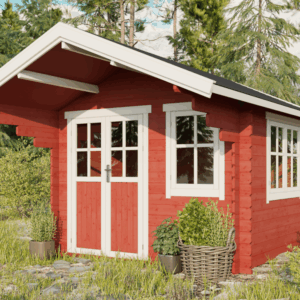
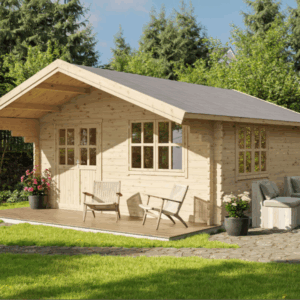
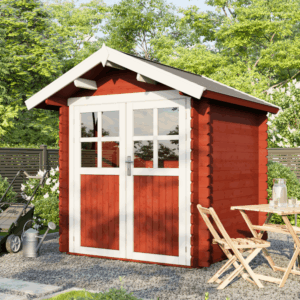
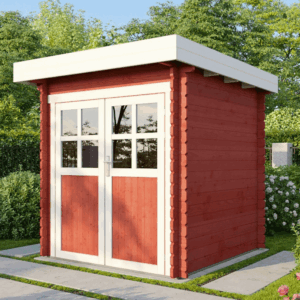
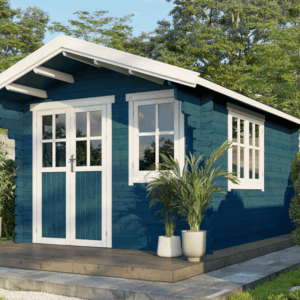
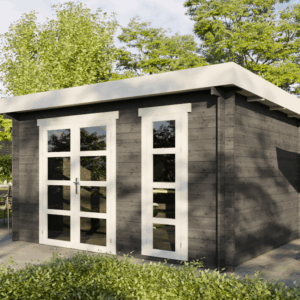
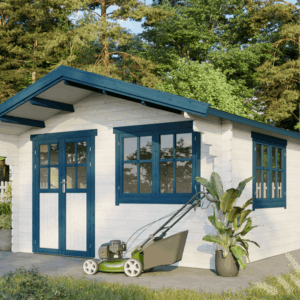
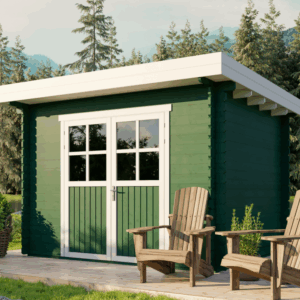
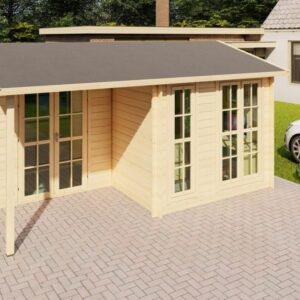
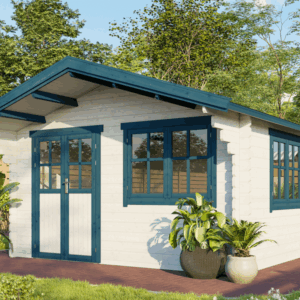
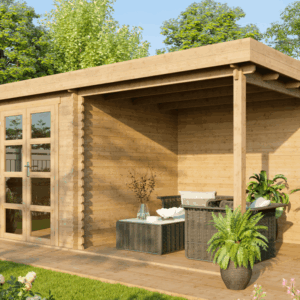
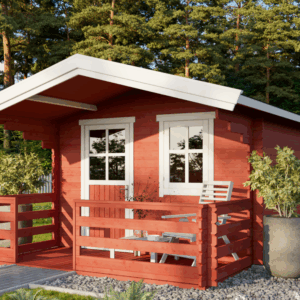
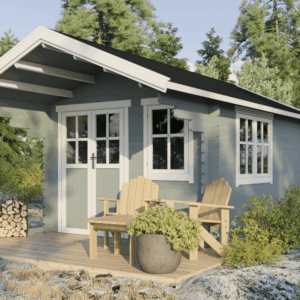
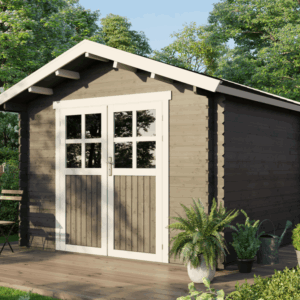
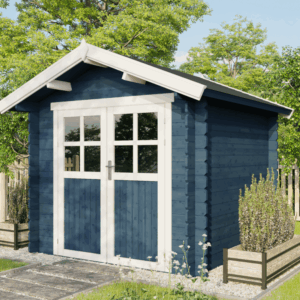
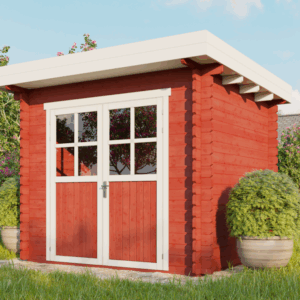
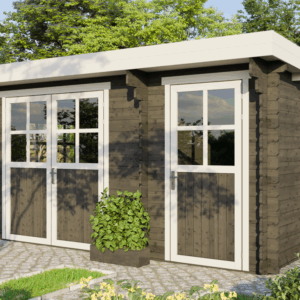
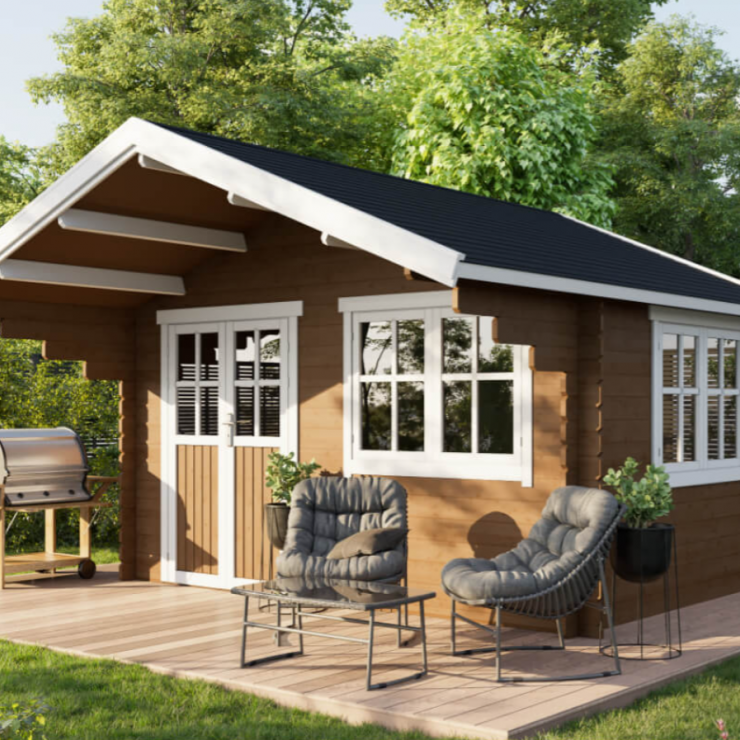
The allure of a cozy, rustic retreat in the heart of Ireland is undeniable, and for many, the dream centers on a compact, charming log cabin. When we talk about a “25 square meter log cabin Ireland,” we’re not just discussing a dwelling; we’re exploring a lifestyle. This size, roughly 5m x 5m, offers an intimate yet functional space, perfect for weekend getaways, guest accommodation, or even a minimalist primary residence. Imagine waking up to the gentle Irish rain, nestled in the warmth of natural timber, with the scent of pine filling the air. This guide will delve into everything you need to know to make that dream a tangible reality, from planning and design to regulations and the unique advantages of log cabin living in Ireland.
Unlocking the Potential: Why a 25 Square Meter Log Cabin?
A 25 square meter log cabin strikes an incredible balance between coziness and practicality. It’s large enough to comfortably accommodate essential living spaces – a sleeping area, a small kitchen, and a bathroom – without feeling cramped. This compact footprint significantly reduces building costs, simplifies maintenance, and minimizes environmental impact, aligning perfectly with sustainable living principles. Furthermore, the inherent warmth and natural beauty of logs create an unparalleled ambiance that is both inviting and calming, a sanctuary from the everyday hustle.
The appeal of a small log cabin in Ireland is deeply rooted in its ability to connect you with the stunning natural landscapes. Picture a cabin nestled amidst rolling green hills, overlooking a tranquil lake, or tucked away in a secluded woodland. This intimate scale allows for easier integration into the environment, respecting the existing topography and flora. It fosters a sense of self-sufficiency and mindful living, where every square meter is intentionally utilized and appreciated for its purpose and aesthetic contribution.
For those seeking an escape, a 25 sqm log cabin provides the perfect solution for a holiday home or a weekend retreat. It’s a space designed for relaxation, for reconnecting with nature, and for enjoying simple pleasures. The reduced maintenance compared to larger properties means more time for leisure and less time spent on chores. This makes it an ideal choice for busy individuals or families looking to create lasting memories in a peaceful setting.
Navigating the Regulations: Planning Permission for Your Cabin
Embarking on the journey of building a log cabin in Ireland, even a compact 25 square meter one, necessitates understanding and adhering to planning regulations. While smaller structures often fall under “exempted development” categories, this is not always a guarantee, especially for habitable dwellings intended for permanent occupation. It is crucial to consult with your local planning authority early in the process to ascertain specific requirements for your chosen location and intended use of the cabin.
Exempted development typically applies to structures that are not intended for human habitation or are of a very limited size and temporary nature. A habitable log cabin, regardless of its modest dimensions, might require a full planning application. This process involves submitting detailed plans, site surveys, and potentially environmental impact assessments. Familiarizing yourself with the Irish Planning and Development Acts and guidelines from your local council is a vital first step to avoid costly delays or rejections.
Even if your cabin qualifies for exempted development, there are often conditions attached, such as proximity to boundaries, height restrictions, and the number of such structures permitted on a site. Ignoring these conditions can lead to enforcement notices and the requirement to dismantle the structure. Therefore, diligent research and proactive communication with the planning department are paramount to a smooth and successful build.
Design and Layout: Maximizing Your 25 Square Meters
The key to successful tiny living lies in intelligent design and a thoughtful layout that maximizes every inch of your 25 square meter log cabin. For this compact space, multi-functional furniture is your best friend. Think sofa beds, tables that fold away, and storage solutions integrated into stairs or walls. The goal is to create a fluid, adaptable space that can transform to suit different needs throughout the day.
Consider an open-plan living area to enhance the sense of space and light. A well-equipped but compact kitchen, perhaps with a galley-style layout, can be highly efficient. The sleeping area could be a loft accessed by a ladder or a dedicated nook that can be screened off. Maximizing natural light through strategically placed windows will make the cabin feel larger and more inviting, connecting you visually with the beautiful Irish scenery.
Vertical space is often overlooked but is incredibly valuable in small dwellings. Incorporating shelving, wall-mounted storage, and even a loft can significantly increase usable area without encroaching on the floor plan. Clever lighting design, both natural and artificial, can also play a crucial role in creating an illusion of spaciousness and defining different zones within the cabin.
The Charm of Log Construction: Material and Benefits
The inherent charm of a log cabin stems from its construction material. Natural timber, often sourced from sustainable forests, offers a unique aesthetic and tactile experience that is both grounding and beautiful. The insulating properties of solid logs contribute to a naturally warm and energy-efficient dwelling, which is particularly beneficial in the cooler Irish climate. The scent of pine or spruce within your cabin is a sensory delight that enhances the feeling of being close to nature.
Log cabins are renowned for their durability and longevity when properly constructed and maintained. The natural strength of timber provides a robust structure that can withstand the elements. Furthermore, the material itself has a low embodied energy compared to many conventional building materials, contributing to a more environmentally conscious construction choice. The natural beauty of the wood grain provides a warm and inviting interior finish, often eliminating the need for extensive interior decoration.
The process of building with logs can also be surprisingly efficient. Pre-cut logs, especially in modern kit homes, can lead to a faster erection time on-site. The natural insulating properties of the logs mean that additional insulation layers may be less critical, simplifying the construction process. This can translate into cost savings and a quicker path to enjoying your new log cabin retreat.
Choosing Your Cabin: Kits vs. Bespoke Builds
When it comes to acquiring your 25 square meter log cabin in Ireland, you have two primary avenues: purchasing a pre-fabricated kit or opting for a bespoke, custom-built design. Log cabin kits offer a standardized approach, often arriving with pre-cut logs, ready for assembly. These kits can be cost-effective and provide a clear construction timeline, making them an attractive option for those with a budget and a desire for a more hands-on approach to building.
Bespoke builds, on the other hand, offer the ultimate in personalization. This route allows you to work closely with designers and builders to create a cabin perfectly tailored to your specific needs, site, and aesthetic preferences. While generally more expensive and time-consuming, a custom build ensures every detail is considered, from the exact dimensions and window placements to the integration of unique features that will make your cabin truly one-of-a-kind.
The choice between a kit and a bespoke build depends on your priorities. If budget and speed are key, a kit might be ideal. If you have a very specific vision or unique site requirements, a bespoke build offers unparalleled flexibility. Regardless of your choice, thoroughly researching suppliers and builders, and obtaining detailed quotes and contracts, is essential for a successful outcome.
Beyond the Basics: Essential Considerations for Your Cabin
While the cabin itself is the focal point, several essential considerations will ensure its long-term comfort and usability. Think about utilities: how will you connect to water, electricity, and wastewater disposal? Off-grid solutions, such as solar panels, rainwater harvesting, and composting toilets, are increasingly popular for remote cabins and can offer a sustainable and independent lifestyle.
Insulation and ventilation are critical for comfort in any climate, and the Irish weather presents its own set of challenges. While logs offer good thermal mass, supplemental insulation in the roof and floor, along with proper ventilation systems, will prevent condensation and maintain a comfortable internal temperature year-round. Consider the positioning of your cabin to take advantage of natural sunlight for warmth and to shelter it from prevailing winds.
Finally, think about the foundation and any external treatments needed to protect your log cabin from the elements. A well-constructed foundation is crucial for stability and longevity. Regular maintenance, including applying appropriate sealants and preservatives to the logs, will protect against moisture, UV damage, and pests, ensuring your cabin remains a beautiful and robust retreat for years to come.
Embracing the Irish Lifestyle: Location, Location, Location
The beauty of owning a 25 square meter log cabin in Ireland is inextricably linked to its location. Imagine a secluded spot in the rugged West, a peaceful haven in the heart of the countryside, or even a charming garden cabin offering a tranquil escape within an existing property. The Irish landscape offers an abundance of breathtaking settings, each with its unique character and charm.
When selecting a site, consider accessibility, proximity to amenities (if desired), and the views that will surround your cabin. Local planning regulations will also heavily influence where you can place your structure, so this should be a primary consideration. The intention of your cabin – be it a permanent residence, a holiday home, or an occasional retreat – will also dictate the most suitable location.
Embracing the Irish lifestyle means immersing yourself in the local culture and environment. A well-placed log cabin can serve as the perfect base for exploring nearby villages, enjoying hiking trails, or simply soaking in the tranquility of the Irish countryside. The connection to nature that a log cabin provides is amplified by its surroundings, making the location a fundamental aspect of the overall experience.
The Future of Tiny Living in Ireland
The concept of “tiny living” and smaller, more sustainable dwellings is gaining significant traction worldwide, and Ireland is no exception. As people increasingly seek a more minimalist, environmentally conscious, and cost-effective way of life, the appeal of structures like a 25 square meter log cabin is set to grow. These compact homes offer a solution to housing affordability and a pathway to a more intentional existence.
The versatility of log cabins also makes them ideal for various applications, from eco-tourism ventures and glamping sites to supplementary accommodation on existing properties. As building technologies and design innovations continue to advance, we can expect to see even more sophisticated and efficient log cabin solutions becoming available. This trend signifies a positive shift towards more mindful and sustainable development practices across Ireland.
Investing in a 25 square meter log cabin Ireland is more than just a construction project; it’s an investment in a lifestyle. It’s about embracing simplicity, connecting with nature, and creating a personal sanctuary that resonates with the soul. With careful planning, adherence to regulations, and thoughtful design, your dream of a charming log cabin retreat on the Emerald Isle can undoubtedly become a beautiful reality.
“`