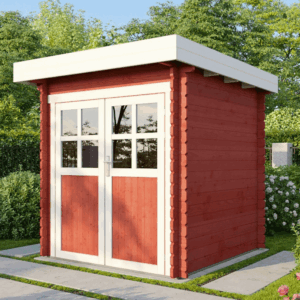
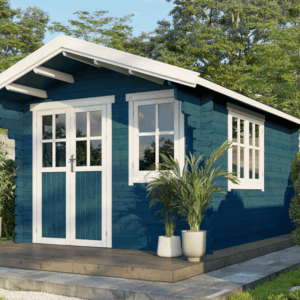
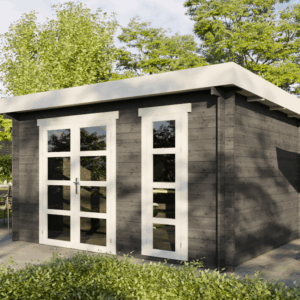
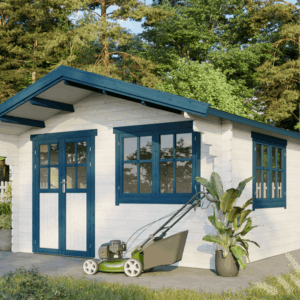
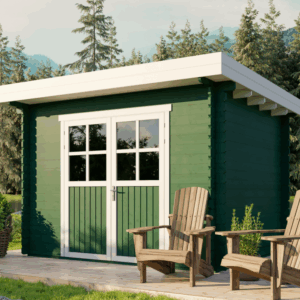
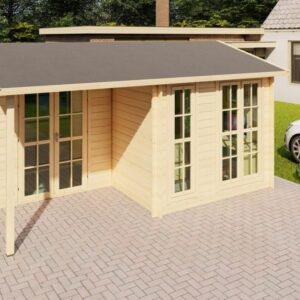
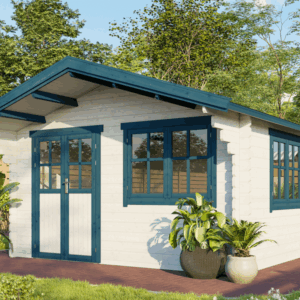
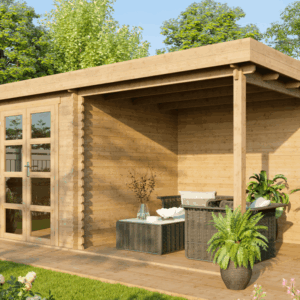
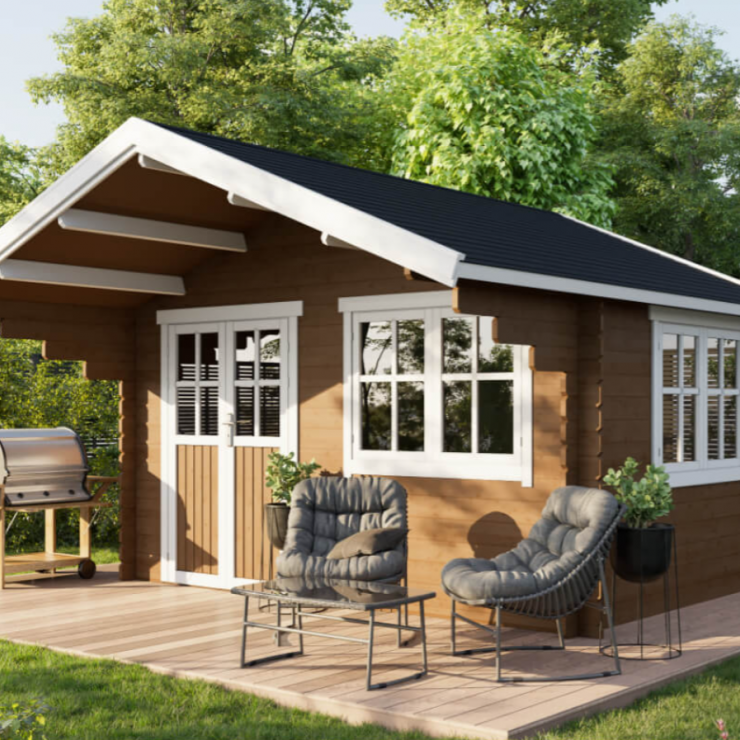
Imagine waking up to the gentle rustle of leaves, the scent of pine in the air, and panoramic views of the stunning Irish landscape stretching before you. For many, this idyllic vision involves owning a charming log cabin. However, the dream often hinges on one significant factor: how to finance it. Log cabins on finance in Ireland are becoming an increasingly popular option for those seeking a unique and serene living space or holiday home. This comprehensive guide will explore the avenues available, from traditional mortgages to specialized loans, helping you turn your log cabin aspirations into a tangible reality.
The allure of a log cabin goes beyond aesthetics; it embodies a connection to nature, a simpler way of living, and a sustainable building choice. As the demand for eco-friendly and characterful homes grows, so too does the accessibility of financing for these unique properties. Understanding the nuances of securing a loan for a log cabin is crucial for any prospective buyer navigating the Irish property market. We will delve into the specific considerations that lenders have for log cabin constructions and existing structures, equipping you with the knowledge to approach financial institutions with confidence.
Securing finance for a log cabin in Ireland requires a slightly different approach than for a traditional brick-and-mortar property. Lenders often assess construction methods, materials, and potential resale value with particular scrutiny. However, with the right preparation and understanding of the market, obtaining a loan is entirely achievable. This guide is designed to demystify the process, offering practical advice and outlining the steps involved in financing your dream log cabin retreat.
Understanding the Landscape of Log Cabin Finance in Ireland
The market for log cabins in Ireland has seen a steady increase in interest, driven by a desire for unique homes and a growing appreciation for sustainable living. This burgeoning popularity has, in turn, led to a more developed landscape for financing these types of properties. While not as commonplace as mortgages for traditional houses, various financial institutions are now more familiar with and willing to consider lending for log cabin projects.
It’s important to recognize that log cabins can be categorized in different ways when it comes to financing. Some are bespoke constructions built from scratch, while others are pre-fabricated kits or existing structures that have been converted. Each scenario may present slightly different lending criteria and require specific documentation from applicants. Being aware of these distinctions will help you tailor your application and approach the right lenders.
The key to unlocking finance for your log cabin lies in demonstrating its long-term viability and value. Lenders will be looking for assurance that the property is a sound investment, akin to any other property they might finance. This involves providing clear plans, detailing construction costs, and showcasing the stability and durability of the chosen building methods.
Exploring Your Financing Options
When embarking on the journey of financing a log cabin in Ireland, you’ll discover a range of potential avenues. The most common route, as with most property purchases, is through a traditional mortgage from a bank or building society. However, the specific criteria for log cabins can differ, so it’s essential to do your research and speak to lenders directly about their policies on non-standard construction types.
Beyond standard mortgages, you might also encounter more specialized loan products or construction finance options. These can be particularly useful if you are building a log cabin from the ground up, as they often cater to the phased nature of construction projects. Exploring bridging loans or self-build mortgages could also be part of your financial strategy, depending on your individual circumstances and the timeline of your project.
Another consideration for some is the possibility of using existing assets to secure finance. This could involve remortgaging an existing property or leveraging equity you have built up. While this isn’t a direct loan for the log cabin itself, it can provide the necessary capital to fund its purchase or construction. Always discuss these options thoroughly with a financial advisor to ensure they align with your overall financial goals.
Traditional Mortgages for Log Cabins
Securing a traditional mortgage for a log cabin in Ireland is often the preferred route for many buyers. Banks and building societies are generally comfortable with lending against property that meets specific structural and planning requirements. The primary hurdle for log cabins is often the perceived non-standard construction. Lenders will want to see evidence of robust build quality, appropriate planning permissions, and a clear valuation of the property.
When applying for a mortgage, you will typically need to provide a detailed breakdown of the construction costs, including land purchase, materials, labor, and any associated fees. A professional valuation report from a qualified surveyor is almost always a mandatory requirement. This report will assess the cabin’s build, materials, and market value, providing the lender with crucial information for risk assessment.
It is advisable to approach lenders who have a track record of financing unique or non-traditional properties. Some of the larger Irish banks may have specific departments or advisors who are more familiar with these types of loans. Early engagement with your chosen financial institution is key to understanding their specific requirements and addressing any potential concerns they may have about the construction method.
Construction Loans and Self-Build Finance
For those planning to build a log cabin from scratch, construction loans or self-build finance options are often the most suitable. These types of loans are designed to fund the entire building process, from initial site preparation through to final completion. They typically operate by releasing funds in stages, as specific construction milestones are met.
The application process for construction loans usually involves submitting detailed architectural plans, a full cost breakdown, and a construction schedule. Lenders will want to see that you have a reputable builder in place and that all necessary planning permissions and building regulations are in order. Regular site inspections may be conducted by the lender to monitor progress and verify that the funds are being used as agreed.
Self-build mortgages can be particularly beneficial as they often offer a higher loan-to-value ratio compared to traditional mortgages, reflecting the evolving value of the property as it is constructed. This can help manage cash flow during the building phase, ensuring that you have the funds available to complete your dream log cabin without undue financial stress.
Bridging Loans and Equity Release
In certain circumstances, bridging loans or equity release schemes might be considered as part of a broader financing strategy for a log cabin. A bridging loan is a short-term loan, often used to ‘bridge’ a financial gap, for example, if you are purchasing a log cabin but haven’t yet sold your current home. These loans are typically more expensive than traditional mortgages due to their short-term nature.
Equity release involves borrowing against the value of a property you already own. This could be a way to access capital for a log cabin purchase or renovation if you have significant equity in your main residence. It’s crucial to understand the long-term implications of equity release, as it can impact the inheritance you leave to beneficiaries and may incur substantial interest over time.
These options are generally used as supplementary financing rather than the primary means of funding a log cabin purchase. A financial advisor can help you assess whether these more complex financial tools are appropriate for your situation and whether they can effectively complement your primary financing arrangements.
Key Considerations When Applying for Log Cabin Finance
Several factors will significantly influence your success in securing finance for a log cabin. Lenders scrutinize each application based on the property’s intrinsic value, the borrower’s financial standing, and the clarity of the project’s execution. Understanding these elements will allow you to present a compelling case and increase your chances of approval.
The type of log cabin you intend to purchase or build is a primary consideration. Is it a pre-fabricated kit, a traditional log home, or a cabin with a hybrid construction? The materials used, the anticipated lifespan of the structure, and its adherence to building regulations all play a vital role in a lender’s decision-making process. Providing thorough documentation about these aspects is paramount.
Beyond the property itself, your personal financial situation is equally critical. Lenders will assess your income, employment history, credit score, and existing debts. Demonstrating a stable financial background and a responsible approach to managing your finances will bolster your application and potentially secure more favourable loan terms.
Planning Permission and Building Regulations
Obtaining the necessary planning permission and ensuring compliance with building regulations is non-negotiable when financing a log cabin. Lenders will require proof that your chosen site and proposed construction meet all local authority requirements. This includes any restrictions on permanent dwellings, the type of construction permitted, and environmental considerations.
Failure to secure proper planning permission can immediately invalidate a loan application, or worse, lead to costly legal issues down the line. It’s essential to engage with your local planning department early in the process to understand the specific guidelines for log cabin construction in your desired area. This proactive approach will save you time and potential disappointment.
Building regulations cover aspects such as structural integrity, fire safety, insulation, and energy efficiency. A log cabin must be built to standards that ensure its safety and durability. Providing documentation that confirms adherence to these regulations, such as engineer certificates or approved building plans, will instill confidence in lenders.
Valuation and Insurability
A crucial step in securing finance is obtaining a professional valuation of the log cabin. This independent assessment determines the property’s market value, which is a primary factor for lenders in deciding how much they are willing to lend. The valuation will consider the construction quality, materials, location, and overall condition of the cabin.
Furthermore, lenders will want to ensure that the log cabin is insurable. Properties with non-standard construction methods can sometimes present challenges for insurers. You will need to demonstrate that you can obtain comprehensive building insurance and contents insurance for your log cabin, covering potential risks like fire, flood, and structural damage.
It is advisable to research insurance providers who specialize in or are familiar with insuring log cabins. Having preliminary discussions with insurance brokers can provide valuable insights and help you anticipate any potential hurdles. Proving insurability strengthens your loan application by mitigating risks for the lender.
Your Personal Financial Profile
Your personal financial profile forms the backbone of any loan application. Lenders will conduct a thorough review of your credit history, income stability, and existing financial commitments. A strong credit score is indicative of responsible borrowing behaviour and significantly increases your chances of loan approval with favourable terms.
Demonstrating a consistent and reliable income stream is equally important. Lenders want to be confident that you can comfortably meet your mortgage repayments. If you are self-employed, you will likely need to provide several years of audited accounts and tax returns to evidence your earnings.
Reducing your existing debt levels before applying for a mortgage can also have a positive impact. Lowering your debt-to-income ratio makes you a less risky borrower in the eyes of the lender. Consider paying down credit cards or personal loans where possible to improve your overall financial standing.
The Process of Applying for Finance
Navigating the application process for a log cabin loan in Ireland requires a systematic approach. It begins with thorough preparation and extends through to the final approval and drawdown of funds. Understanding each stage will help you manage expectations and streamline the entire experience.
The initial step involves researching and identifying potential lenders who are amenable to financing log cabins. Not all financial institutions will have the same appetite for these types of properties, so targeted research is key. Once you have a shortlist, you’ll need to gather all the necessary documentation to support your application.
Subsequent stages will involve formal applications, property valuations, and potentially legal reviews. Patience and clear communication with your lender and any involved parties, such as solicitors and surveyors, are essential for a smooth and successful outcome.
Gathering Your Documentation
The success of your finance application hinges on presenting a comprehensive and well-organized set of documents. This typically begins with proof of identity and address, followed by detailed financial statements. You will need payslips, bank statements, and evidence of any other income sources.
For self-build projects, a detailed breakdown of construction costs, architectural plans, and contractor agreements are crucial. You will also need copies of all planning permissions and building regulation approvals. The more transparent and complete your documentation, the easier it will be for the lender to assess your application.
Don’t overlook the importance of a recent credit report. Obtaining a copy of your credit report in advance allows you to identify and rectify any inaccuracies. This proactive step can save you considerable time and prevent unexpected setbacks in your application process.
Liaising with Lenders and Brokers
Building a good rapport with your chosen lender or a mortgage broker is vital. Brokers can be particularly helpful as they have extensive knowledge of the market and relationships with various financial institutions. They can guide you through the complexities of the application process and help you find the most suitable loan product.
When speaking with lenders, be prepared to answer detailed questions about the log cabin, its construction, and your financial situation. Honesty and clarity are paramount. If you have any concerns or uncertainties, don’t hesitate to ask for clarification. A good lender will be transparent about their processes and requirements.
Maintaining open communication throughout the application is key. Respond promptly to any requests for additional information, and keep your lender updated on any significant changes in your circumstances. This proactive approach demonstrates your commitment and seriousness towards securing the finance.
The Approval and Drawdown Process
Once your application has been thoroughly reviewed, the lender will issue a formal loan offer if approved. This document will outline the loan amount, interest rate, repayment terms, and any conditions that need to be met before the funds are released. It is essential to read this offer carefully and seek legal advice if necessary.
The drawdown process typically involves the lender releasing funds either in a lump sum or in stages, depending on the nature of the finance. For construction loans, funds are usually released as work progresses, following verification by the lender. For a purchase, the funds are transferred to the seller’s solicitor upon completion of the sale.
Ensuring all legal and administrative requirements are met before drawdown is critical. This includes signing the mortgage deed and any other relevant legal documents. Working closely with your solicitor will help ensure that this final stage is completed smoothly and efficiently, allowing you to finally move into your dream log cabin.
Maximizing Your Chances of Success
Securing finance for a log cabin in Ireland can seem daunting, but with careful planning and a strategic approach, you can significantly improve your chances of success. Understanding the lender’s perspective and addressing potential concerns proactively are key elements of a strong application.
Consider engaging with professionals who specialize in non-standard builds. Architects, surveyors, and mortgage brokers with experience in log cabins can provide invaluable guidance and ensure your project meets all necessary requirements. Their expertise can help identify potential pitfalls before they become significant obstacles.
Finally, be patient and persistent. The process of financing a unique property can sometimes take longer than anticipated. By staying organized, maintaining clear communication, and demonstrating the viability and desirability of your log cabin, you will be well on your way to making your rustic dream a reality.
The Future of Log Cabin Finance in Ireland
As the popularity of log cabins continues to grow in Ireland, it is likely that the financing landscape will continue to evolve. Lenders are becoming increasingly accustomed to the unique characteristics of these properties, and we may see more tailored loan products emerge specifically for log cabin construction and purchase.
Increased awareness of sustainable building practices also bodes well for the future of log cabin finance. As environmental considerations become more prominent in lending decisions, the eco-friendly nature of log cabins could become an attractive proposition for both borrowers and lenders. This could lead to more accessible and potentially more favourable financing options.
Ultimately, the enduring appeal of log cabins, combined with a growing understanding and acceptance within the financial sector, suggests a bright future for those looking to finance their own piece of rustic paradise in Ireland. With continued research and proactive engagement, your dream log cabin is well within reach.
“`