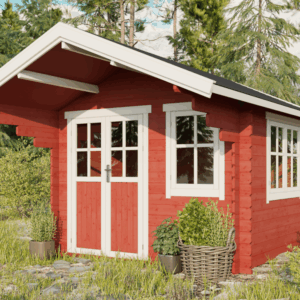
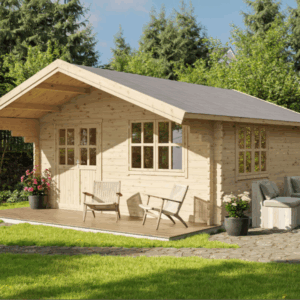
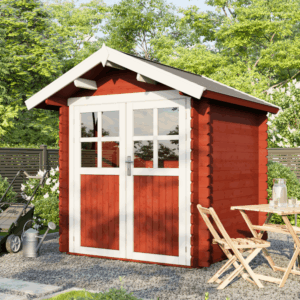
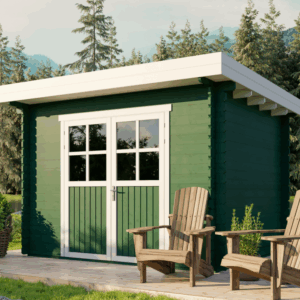
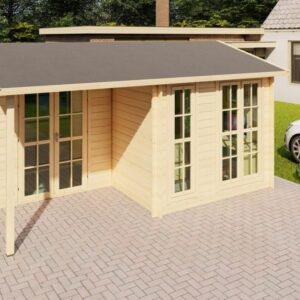
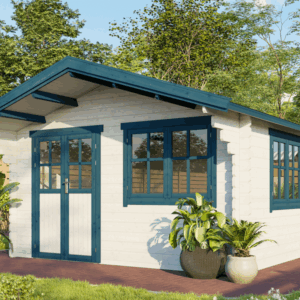
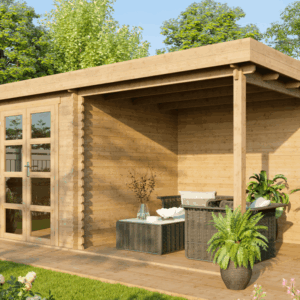
Imagine waking up to the scent of pine, the gentle glow of natural light filtering through timber beams, and the panoramic beauty of the Northern Irish landscape stretching before you. Log homes in Northern Ireland offer a unique blend of rustic charm, natural beauty, and enduring quality, creating a lifestyle that many dream of. This guide will explore everything you need to know about making that dream a reality, from the initial planning stages to the finishing touches that make your log home truly yours.
Northern Ireland, with its dramatic coastlines, rolling hills, and picturesque countryside, provides an idyllic setting for a log home. The natural aesthetic of timber construction complements the existing environment perfectly, creating a harmonious addition to the landscape. Whether you envision a cozy cabin nestled in the Mourne Mountains or a grand family residence overlooking the Atlantic, the possibilities are as vast as the scenery itself.
Embarking on the journey of building a log home is an exciting prospect, but it requires careful consideration and informed decision-making. From understanding local planning regulations to selecting the right timber and construction methods, a well-researched approach will ensure a smooth and successful build. This comprehensive guide aims to demystify the process and empower you with the knowledge to create a truly exceptional log home in Northern Ireland.
The Allure of Log Homes in the Emerald Isle
The enduring appeal of log homes stems from their inherent connection to nature and their timeless aesthetic. Unlike conventional brick and mortar structures, log homes exude warmth, character, and a sense of belonging to the natural world. The visible timber elements create a cozy and inviting atmosphere, making them a sanctuary from the everyday hustle and bustle.
Northern Ireland’s rich history of rural living and appreciation for natural materials makes it a particularly fitting location for log home construction. The traditional Irish farmhouse aesthetic often features natural stone and timber, making log homes a natural evolution of this architectural heritage. They offer a contemporary interpretation of this classic style, blending seamlessly with the surrounding countryside.
Beyond their aesthetic qualities, log homes boast excellent thermal efficiency and natural insulation properties. The dense timber used in construction acts as a natural insulator, helping to regulate internal temperatures and reduce energy consumption. This can lead to significant savings on heating bills, especially during the cooler Northern Irish months, contributing to a more sustainable and cost-effective living experience.
Planning Your Northern Ireland Log Home Project
The initial planning phase is paramount to the success of any log home project. This involves not only conceptualizing your dream home but also thoroughly understanding the practicalities of building in Northern Ireland. Researching local planning policies, engaging with experienced log home builders, and securing the necessary permissions are crucial first steps.
Consider the specific site you have in mind. Factors like terrain, access, views, and proximity to utilities will all influence the design and placement of your log home. A site survey and potentially an environmental impact assessment may be required, depending on the location and scale of your project. Early consultation with local planning authorities in Northern Ireland can save significant time and potential headaches down the line.
Budgeting is another critical aspect of the planning stage. Log homes can offer excellent long-term value, but understanding the upfront costs associated with timber sourcing, construction, foundations, roofing, and finishing is essential. Obtaining detailed quotes from reputable log home companies will provide a clearer financial picture and help you make informed decisions about your build.
Choosing the Right Timber and Construction Method
The type of timber you choose for your log home significantly impacts its appearance, durability, and insulation properties. Common choices include pine, spruce, and cedar, each offering unique characteristics. Pine and spruce are generally more budget-friendly and readily available, while cedar is known for its natural resistance to insects and decay, making it a premium option.
The construction method will also influence the overall look and feel of your log home. Traditional full-scribe logs feature handcrafted, interlocking timbers for a rustic, authentic appearance. Alternatively, milled logs offer a more uniform, contemporary look with precisely shaped timbers. Chink-style log homes, where gaps between logs are filled with a sealing material, provide a distinct aesthetic and can be highly energy-efficient.
When selecting a timber supplier or log home manufacturer in Northern Ireland, prioritize companies with a proven track record and a commitment to sustainable forestry practices. Understanding the origin of the timber and the manufacturing process will ensure you are investing in a high-quality, responsibly sourced product. Don’t hesitate to ask for references and view examples of their completed projects.
Navigating Planning Permissions and Regulations in Northern Ireland
Obtaining planning permission for a log home in Northern Ireland is a crucial step that requires adherence to local council guidelines and building regulations. While log homes are becoming increasingly popular, it’s essential to ensure your plans meet all necessary requirements to avoid delays or rejections. Familiarizing yourself with the Planning Portal for Northern Ireland and consulting with local planning officers is highly recommended.
The building control process ensures that your log home is constructed to safe and sound standards. This includes aspects like structural integrity, fire safety, thermal performance, and drainage. Engaging with approved inspectors or building control officers from the outset will help guarantee that your design and construction methods comply with all relevant legislation. They can provide valuable guidance throughout the build.
It’s worth noting that while timber is a natural material, its use in construction must still meet modern building standards. Understanding the specific requirements for insulation, ventilation, and pest control within the context of a log home is vital. Working with experienced professionals who are knowledgeable about log home construction and Northern Irish building regulations is key to a seamless planning and approval process.
Finding Reputable Log Home Builders in Northern Ireland
The selection of a skilled and experienced log home builder is arguably the most critical decision you will make. A reputable builder will not only possess the technical expertise to construct your home but also the integrity to guide you through the entire process. Seek out companies that specialize in log home construction and have a portfolio of successful projects in Northern Ireland.
When vetting potential builders, request detailed proposals that outline the scope of work, materials to be used, timelines, and payment schedules. Thoroughly check their references and speak to previous clients to gauge their satisfaction with the builder’s craftsmanship, communication, and project management skills. A builder who is transparent and communicative is more likely to deliver a positive experience.
Consider builders who offer a comprehensive service, from design and planning assistance to construction and finishing. This can streamline the process and ensure a cohesive vision for your log home. Don’t be afraid to ask questions and express your concerns; a good builder will be happy to address them and provide reassurance. The investment in a quality builder will pay dividends in the longevity and enjoyment of your Northern Ireland log home.
Designing Your Bespoke Log Home
The beauty of a log home lies in its ability to be customized to your specific needs and preferences. From the overall size and layout to the finer details of window placement and interior finishes, every element can be tailored to create a truly unique dwelling. Work closely with your architect or designer to translate your vision into functional and aesthetically pleasing plans.
Consider the flow of your home and how you intend to use each space. Open-plan living areas are popular in log homes, promoting a sense of connection and maximizing natural light. However, dedicated private spaces for relaxation and work are also important. Think about the views you want to capture from different rooms and how natural light can best illuminate your living spaces.
The interior design of a log home often embraces natural materials and a warm, inviting palette. Exposed timber beams, hardwood floors, and stone fireplaces can enhance the rustic charm. However, contemporary touches can also be seamlessly integrated, creating a harmonious blend of traditional and modern styles. Your log home should be a reflection of your personality and lifestyle.
The Construction Process: From Foundation to Roof
The construction of a log home is a fascinating process that transforms raw timber into a solid, beautiful dwelling. It typically begins with the preparation of the site and the pouring of a robust foundation, designed to support the weight of the timber structure. This is followed by the meticulous assembly of the log walls, carefully interlocking each piece to create a weather-tight shell.
The roof structure is then installed, often incorporating generous overhangs to protect the log walls from the elements. Windows and doors are fitted, and the exterior is sealed to ensure optimal insulation and protection. Throughout this phase, meticulous attention to detail is crucial, ensuring that each component is precisely placed and secured for maximum durability and energy efficiency.
Once the shell is complete, the interior work begins. This includes framing internal walls, installing electrical and plumbing systems, and applying finishes like insulation, flooring, and cabinetry. The natural beauty of the logs is often left exposed on the interior, creating a warm and characterful ambiance. This stage requires skilled tradespeople who understand the unique demands of working with timber construction.
Finishing Touches and Creating Your Cozy Haven
The finishing touches are what truly transform a log home from a structure into a warm and inviting sanctuary. Interior finishes play a vital role in enhancing the natural beauty of the timber. Consider the type of flooring that best complements the log walls, whether it’s polished timber, natural stone, or cozy carpeting.
The selection of paint colours, wood stains, and decorative elements can further amplify the cozy ambiance. Warm, earthy tones often work well, but don’t be afraid to incorporate bolder colours to add personality. Natural materials like leather, wool, and linen in your furnishings will enhance the connection to nature and create a comfortable living space.
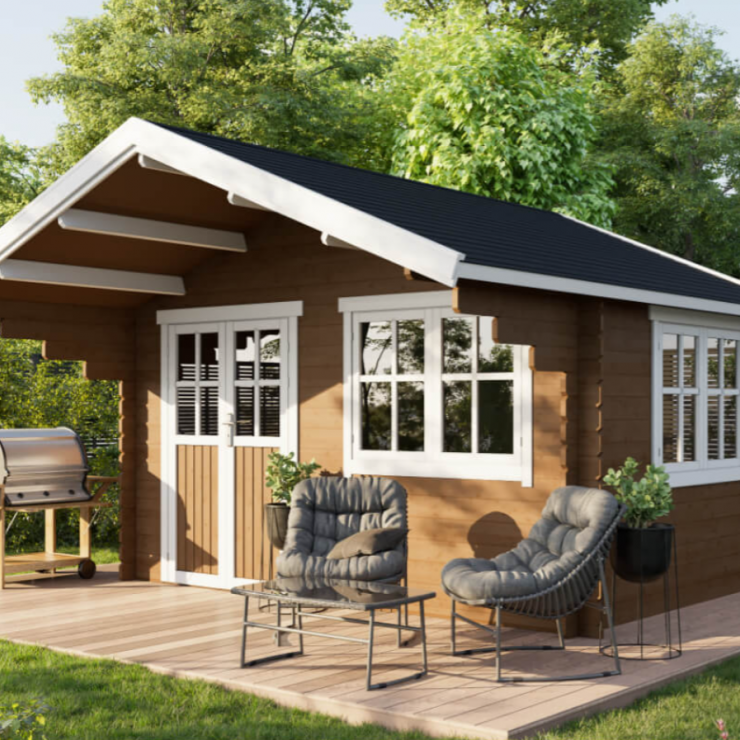
Outdoor living is an integral part of the log home lifestyle, and Northern Ireland’s stunning scenery provides the perfect backdrop. Consider adding a spacious deck or patio to enjoy al fresco dining and soak in the surrounding views. Landscaping that complements the natural environment will further enhance the aesthetic appeal and create a seamless transition between your home and the outdoors. Your log home is a canvas for creating your perfect escape.
Maintaining Your Northern Ireland Log Home
Proper maintenance is essential to ensure the longevity and beauty of your Northern Ireland log home. Regular inspections of the exterior logs for any signs of wear, insect infestation, or water damage are crucial. Applying a quality sealant or stain at regular intervals will protect the timber from UV rays and moisture, preventing premature aging and decay.
The chinking or sealing between logs should also be inspected periodically and repaired or replaced as needed. This is vital for maintaining the home’s energy efficiency and preventing drafts. Gutter cleaning and ensuring proper drainage around the foundation will also prevent water from accumulating and potentially damaging the log structure.
Interior maintenance is generally straightforward, focusing on keeping the timber surfaces clean and protected. Avoid harsh chemical cleaners that can damage the wood. Regular dusting and occasional polishing with appropriate wood products will preserve the natural beauty of your logs for years to come. A proactive approach to maintenance will ensure your log home remains a source of pride and comfort for generations.
The Future of Log Homes in Northern Ireland
The popularity of log homes in Northern Ireland is set to continue its upward trajectory. As more people seek a sustainable, nature-connected lifestyle, the inherent qualities of timber construction become increasingly attractive. The evolving building technologies and sustainable practices in the log home industry are also making these homes more accessible and energy-efficient than ever before.
Innovations in timber treatment and construction techniques are addressing potential concerns about durability and maintenance, making log homes a more practical and desirable choice. The aesthetic appeal of log homes, coupled with their environmental benefits, positions them as a compelling option for modern living in Northern Ireland.
Whether you are drawn to the rustic charm, the eco-friendly aspects, or simply the unique ambiance, a log home in Northern Ireland offers an unparalleled living experience. This guide has provided a foundational understanding of the journey, from initial inspiration to long-term enjoyment. With careful planning, the right team, and a passion for natural living, your dream log home awaits amidst the breathtaking landscapes of the Emerald Isle.
“`