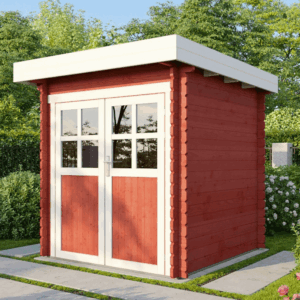
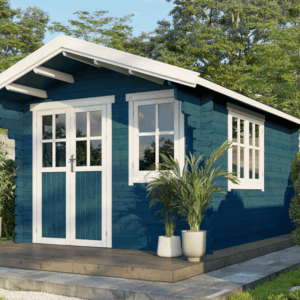
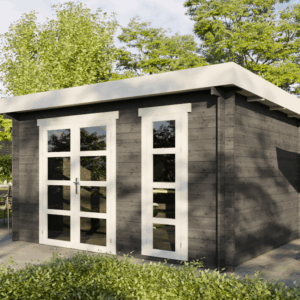
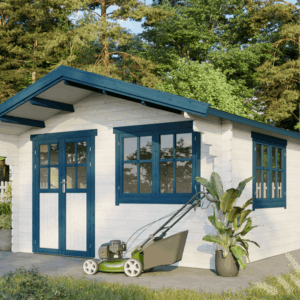
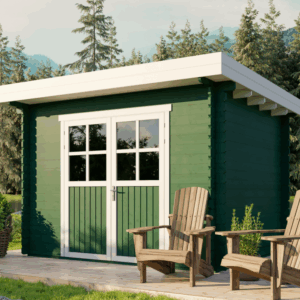
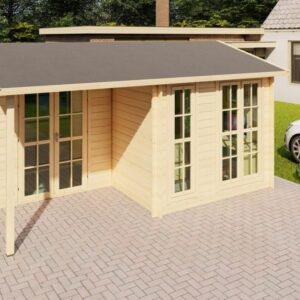
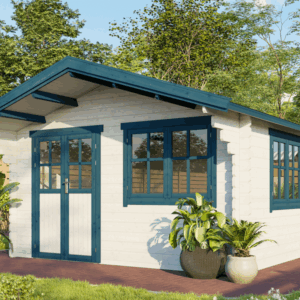
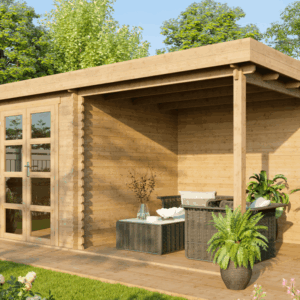
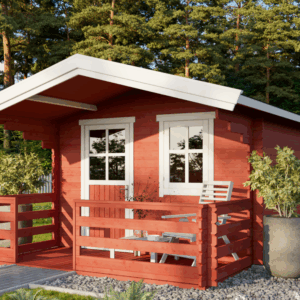
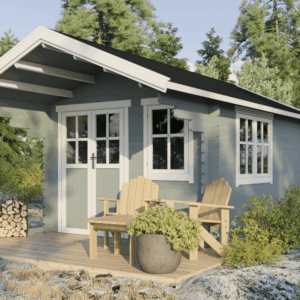
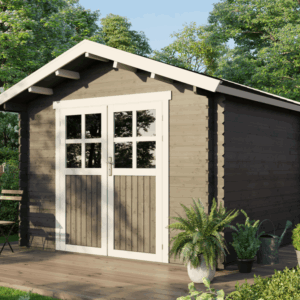
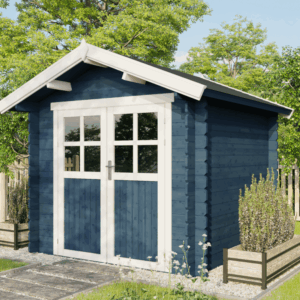
Dreaming of a rustic escape nestled amidst Ireland’s emerald landscapes? The allure of a log cabin, with its natural beauty and cozy charm, is undeniable. However, turning that dream into a reality often hinges on securing the right financing. Understanding the intricacies of log cabin finance in Ireland is crucial for potential homeowners, from initial budgeting to exploring diverse funding avenues. This comprehensive guide will illuminate the path, offering practical advice and insights to help you build your idyllic Irish retreat.
The idea of a log cabin evokes images of peaceful mornings, crackling fires, and a deep connection with nature. For many, it represents a sustainable and unique lifestyle choice. Yet, the financial aspect can feel daunting, often a significant hurdle that requires careful planning and informed decision-making. Whether you envision a full-time residence, a holiday let, or a weekend getaway, the journey begins with a solid financial strategy. This post will break down the essential components of financing a log cabin in Ireland, empowering you to navigate the process with confidence.
Understanding the Unique Challenges of Log Cabin Finance
Financing a log cabin in Ireland can present unique challenges compared to traditional brick-and-mortar homes. Lenders may perceive log structures as less conventional, potentially impacting mortgage availability and interest rates. The valuation process can also differ, as the market for log cabins is more niche. It’s essential to approach lenders who understand or are open to alternative building methods. Thorough research into their policies and a well-prepared business case are vital steps.
The perceived resale value and longevity of log cabins can sometimes be a concern for financial institutions. Unlike traditional homes with established market comparables, log cabins might require a more detailed explanation of their construction quality, materials, and maintenance. Proving the long-term viability and appeal of your chosen dwelling will be a key part of convincing a lender. Demonstrating a clear understanding of these potential obstacles will enable you to address them proactively.
Securing a Mortgage for Your Irish Log Cabin
Obtaining a mortgage is often the primary method for financing a log cabin in Ireland. The process typically involves working with mortgage brokers or directly with banks. It’s advisable to approach lenders with a clear understanding of your financial situation, including your income, savings, and credit history. Having a detailed project plan, including cost estimates for the cabin itself, land acquisition, and any necessary site preparation, will be indispensable.
When approaching mortgage providers, be prepared to present comprehensive documentation. This may include building plans, quotes from reputable log cabin suppliers, site surveys, and planning permission details. Some lenders may require a higher deposit for non-standard construction, so understanding their specific criteria from the outset is paramount. Don’t be discouraged if your initial inquiries don’t yield the desired results; persistence and exploring multiple options are key.
Choosing the Right Lender: Banks vs. Specialists
While high street banks might be your first port of call, they may not always be the most flexible when it comes to log cabin mortgages. Specialist lenders or mortgage brokers who have experience with self-builds or unique properties can often offer more tailored solutions. These professionals have a deeper understanding of the nuances of unconventional construction and may have established relationships with lenders who are more amenable to such projects.
Engaging with a mortgage broker who specializes in rural or self-build properties can significantly streamline the process. They can navigate the complexities of the market, identify suitable lenders, and assist in preparing your application to meet lender requirements. This expertise can save you time, reduce stress, and potentially secure more favourable loan terms. Remember to vet any broker thoroughly and ensure they are regulated and reputable.
The Importance of a Detailed Business Plan
For any significant financial undertaking, a well-structured business plan is essential, and a log cabin project is no exception. This document should outline your vision for the cabin, the intended use, projected costs, and a clear repayment strategy. It serves as a persuasive tool for lenders, demonstrating your diligence and commitment to the project’s success. Including detailed breakdowns of material costs, labour, planning fees, and site development is crucial for a comprehensive plan.
Your business plan should also consider potential rental income if you intend to use the cabin as a holiday let. This adds another layer of financial justification for the loan. Realistic projections of occupancy rates and achievable rental yields will strengthen your case. A robust plan showcases your foresight and your ability to manage the financial aspects of the project effectively, instilling confidence in potential funders.
Alternative Funding Options for Your Log Cabin
While mortgages are common, exploring alternative funding avenues can provide greater flexibility or may be necessary if traditional mortgage routes prove challenging. These options can supplement your primary financing or offer a complete solution depending on your circumstances and the scale of your project. Understanding the pros and cons of each is vital for making informed choices.
It’s wise to investigate all available avenues before committing to a particular financing strategy. Diversifying your funding sources can also reduce your reliance on a single lender, offering a more secure financial foundation for your log cabin dream. Each alternative carries its own set of terms, interest rates, and repayment structures that need careful consideration.
Personal Savings and Equity Release
Leveraging your personal savings is often the most straightforward way to finance a portion of your log cabin project. A substantial deposit can significantly reduce the loan amount required, leading to lower monthly repayments and a more manageable interest burden. Furthermore, if you already own a property, exploring equity release options could provide access to funds. This involves borrowing against the value of your existing home.
Equity release, such as a second mortgage or remortgaging, can be a valuable source of capital for a log cabin build. However, it’s crucial to fully understand the implications, including the impact on your current mortgage and the potential risks involved. Consulting with a financial advisor is highly recommended to ensure this is a prudent decision for your long-term financial health. The funds released can be used for various aspects of the build, from land purchase to construction costs.
Government Grants and Subsidies
Depending on your specific circumstances and the location of your proposed log cabin, certain government grants or subsidies might be available. These can be particularly relevant if your project aligns with initiatives promoting rural development, sustainable building practices, or energy efficiency. Researching schemes offered by bodies like the Department of Agriculture, Food and the Marine, or local authorities is a worthwhile endeavour.
Grants for rural housing, energy upgrades, or specific types of construction can significantly offset project costs. However, eligibility criteria are often stringent, and the application processes can be complex and time-consuming. Early investigation and dedicated effort in preparing compelling applications are essential to capitalize on these opportunities. Staying informed about evolving government programs is also crucial.
Peer-to-Peer Lending and Crowdfunding
In recent years, peer-to-peer (P2P) lending platforms and crowdfunding have emerged as alternative financing methods. P2P lending connects borrowers directly with individual investors, potentially offering more competitive rates and flexible terms than traditional banks. Crowdfunding, on the other hand, allows you to raise smaller amounts of money from a large number of people, often in exchange for rewards or early access to your cabin.
These platforms can be particularly useful for smaller funding gaps or for individuals who may not qualify for traditional loans. However, it’s important to research the reputation and terms of any P2P lending platform or crowdfunding campaign carefully. Ensuring you can meet the repayment obligations and understanding any associated fees are critical for a successful outcome. This approach can also be a great way to build a community around your project.
Budgeting for Your Log Cabin Project: Beyond the Cabin Itself
When budgeting for a log cabin in Ireland, it’s essential to look beyond the quoted price of the structure itself. Numerous ancillary costs can significantly impact the overall investment, and overlooking them can lead to budget overruns. A holistic approach to budgeting will ensure you have a realistic financial picture from the outset.
Thoroughly anticipating all potential expenses will prevent unwelcome surprises down the line and contribute to a smoother, less stressful building process. It’s often said that underestimating costs is one of the biggest pitfalls in self-build projects, and a log cabin is no exception. Taking the time to itemize every foreseeable expense is a vital step towards financial success.
Land Acquisition and Site Preparation
The cost of the land on which your log cabin will stand is a primary consideration. Prices vary dramatically depending on location, size, and accessibility. Once the land is secured, extensive site preparation may be necessary. This could include clearing vegetation, levelling the ground, installing drainage, and ensuring access for construction vehicles. These preparatory works can represent a substantial portion of your budget.
Factor in the cost of surveys, soil testing, and obtaining planning permission for your chosen site. These are often prerequisites for any building project and can incur significant professional fees. Understanding local planning regulations is paramount to avoid costly delays or modifications. The initial groundwork is crucial for the long-term stability and integrity of your log cabin.
Construction, Installation, and Utilities
The cost of the log cabin kit itself, along with professional installation, is a major component. However, don’t forget the practicalities of connecting to essential utilities. This includes running electricity, water, and sewage lines to your site. Depending on your location, this could involve significant infrastructure work and associated connection fees, especially if you are in a remote rural area.
Consider the cost of any necessary foundations, roofing, insulation, and interior finishing. While some log cabin kits include these elements, others may require them to be sourced and installed separately. Obtaining detailed quotes for all aspects of the construction and installation process is essential for accurate budgeting. Expert installation ensures the structural integrity and longevity of your log cabin.
Permits, Insurance, and Professional Fees
Navigating the regulatory landscape is a critical part of any building project. You will need to factor in the cost of planning permission from your local authority, building regulations compliance, and potential surveys. Furthermore, securing appropriate insurance for your log cabin during construction and once completed is non-negotiable. This protects your investment against unforeseen events.
Don’t underestimate the value of professional advice. Engaging architects, engineers, or project managers can help ensure your build is compliant, efficient, and cost-effective. While these professionals incur fees, their expertise can prevent costly mistakes and ensure a higher quality end product. Their insights are invaluable in navigating the complexities of the Irish building industry.
Tips for Successful Log Cabin Financing in Ireland
Securing finance for your log cabin is a marathon, not a sprint. It requires patience, meticulous planning, and a proactive approach. By implementing a few key strategies, you can significantly increase your chances of a smooth and successful financial journey. These tips are designed to empower you with the knowledge and foresight needed to navigate the process effectively.
The more prepared and informed you are, the more confident lenders will be in your ability to manage the financial commitments. Staying organized, seeking expert advice, and maintaining clear communication throughout the process are paramount. Embrace the journey with a strategic mindset, and your dream log cabin will be well within reach.
Start Early and Get Your Finances in Order
The sooner you begin exploring your financing options, the better. Assess your current financial standing, review your credit score, and start saving for a deposit. Addressing any financial shortcomings well in advance will present you as a more attractive borrower. Lenders want to see stability and a responsible approach to personal finance.
Understanding your borrowing capacity and the types of loans available is crucial before you even start looking at specific log cabins. This early preparation will prevent disappointment and wasted effort on properties that fall outside your financial reach. Getting your financial house in order is the foundational step to any successful homeownership dream.
Work with Experienced Professionals
As mentioned previously, engaging with experienced mortgage brokers, financial advisors, architects, and builders who have a track record with log cabins or self-build projects is invaluable. Their expertise can save you time, money, and avoid potential pitfalls. They understand the specific requirements of lenders and the nuances of building in Ireland.
These professionals can offer tailored advice, help you navigate complex paperwork, and connect you with the right people in the industry. Their guidance is particularly beneficial for understanding the unique aspects of log cabin construction and its financing. Don’t hesitate to leverage their knowledge to your advantage.
Be Prepared for Due Diligence
Lenders will conduct thorough due diligence on your application and the proposed project. Having all your documentation organized and readily available will expedite the process. This includes proof of income, bank statements, details of your savings, planning permissions, building quotes, and any other relevant information. Anticipate their questions and have clear, concise answers prepared.
Transparency and honesty are key during the due diligence phase. Presenting an accurate and complete picture of your financial situation and the project’s viability will build trust with your lender. Proactive preparation will demonstrate your seriousness and commitment to the log cabin dream, making the financing process considerably smoother.
Conclusion: Your Log Cabin Dream in Reach
Financing a log cabin in Ireland, while presenting its unique considerations, is an achievable goal with careful planning and the right approach. By understanding the financial landscape, exploring diverse funding options, and meticulously budgeting for all aspects of your project, you can lay a strong foundation for your dream retreat. Armed with knowledge and professional guidance, the enchanting prospect of a log cabin amidst Ireland’s breathtaking scenery can indeed become a tangible reality.
The journey to owning a log cabin is a rewarding one, filled with the promise of a unique and fulfilling lifestyle. By mastering the intricacies of log cabin finance in Ireland, you are not just securing a loan; you are investing in a sanctuary, a connection to nature, and a lifetime of cherished memories. Embrace the challenge, stay informed, and take confident steps towards building your dream log cabin in the heart of Ireland.
“`