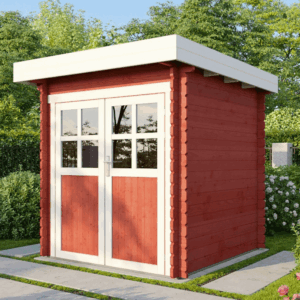
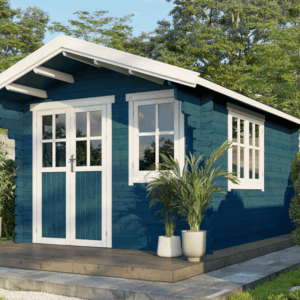
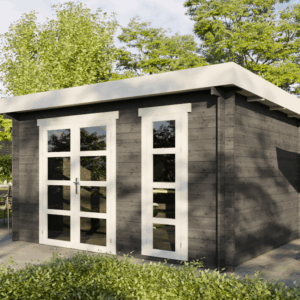
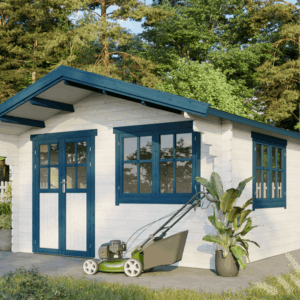
The allure of owning a log cabin in Ireland is undeniable. Imagine waking up to misty mornings, the scent of peat smoke in the air, and the tranquil beauty of the Irish countryside right outside your door. For many, this dream involves significant financial planning, and understanding the nuances of “log cabins Ireland finance” is paramount to turning that vision into a tangible reality. This guide will navigate the financial landscape, from initial budgeting to securing the right funding, ensuring your journey to owning a piece of the Emerald Isle is as smooth as possible.
Embarking on the journey of acquiring or building a log cabin in Ireland necessitates a thorough understanding of the associated costs and available financing options. It’s not simply a matter of purchasing a property; it often involves land acquisition, construction, planning permissions, and ongoing maintenance, all of which contribute to the overall financial picture. Being well-informed about these elements is the first crucial step towards a successful and stress-free investment.
This comprehensive exploration will delve into the various avenues for financing log cabins in Ireland, from traditional mortgages to specialized loans and alternative funding strategies. We will also touch upon the importance of detailed financial planning and budgeting, as well as the potential return on investment through rental income or capital appreciation. By equipping yourself with this knowledge, you can approach your log cabin aspirations with confidence and a clear financial roadmap.
Understanding the Total Cost of Your Irish Log Cabin
Before even considering finance, it’s crucial to establish a realistic budget that encompasses all potential expenses associated with your log cabin project in Ireland. This includes the purchase price of the land, the cost of the log cabin kit or bespoke build, site preparation, foundation work, and all necessary utilities like water, electricity, and sewage systems. Don’t forget to factor in planning application fees, legal costs, and potential unforeseen expenses that can arise during construction.
The price of land in Ireland can vary dramatically depending on its location, size, and proximity to amenities or scenic attractions. Similarly, the cost of a log cabin itself will depend on the size, specifications, the type of wood used, and whether you opt for a pre-fabricated kit or a custom-built structure. Engaging with reputable log cabin suppliers and builders early on can provide valuable insights into these material and construction costs.
Beyond the initial build, ongoing costs such as property taxes (rates), insurance, maintenance (including wood treatment and upkeep), and any potential site fees if it’s part of a development need to be meticulously accounted for in your long-term financial plan. A comprehensive cost breakdown will form the bedrock of your financing strategy and prevent financial surprises down the line.
Land Acquisition and Site Preparation Costs
The initial hurdle is often securing the right plot of land in Ireland for your log cabin. Land prices are a significant factor, with coastal regions, areas with stunning natural beauty, or those close to popular tourist destinations commanding higher values. Thorough research into local planning regulations is essential before committing to a purchase, as not all land is zoned for residential or holiday home development.
Once land is secured, site preparation can incur substantial costs. This typically involves clearing the land, ensuring proper drainage, and creating a level base for the log cabin foundations. The topography of the land will greatly influence these preparation expenses; a sloped or uneven plot will require more extensive groundwork than a flat one.
Furthermore, connecting to essential services like mains water, electricity, and sewerage can be a major expense, especially if these are not readily available at the property boundary. Investigating the feasibility and cost of these connections early in the process is vital for accurate budgeting and avoiding unexpected charges during construction.
Log Cabin Construction and Installation Expenses
The cost of the log cabin structure itself is a primary component of your budget. You’ll encounter a spectrum of options, from self-build log cabin kits that offer a more budget-friendly approach to fully managed, bespoke builds from established companies. The type of wood, the thickness of the logs, the insulation standards, and the overall design complexity will all influence the price.
Installation is another critical cost consideration. While some kits are designed for DIY assembly, many owners opt for professional installation to ensure structural integrity and adherence to building codes. The complexity of the site and the chosen cabin design will dictate the labour costs associated with its erection and finishing.
Don’t overlook the interior finishing touches. This includes windows, doors, roofing materials (if not integrated into the log system), flooring, internal walls, kitchens, bathrooms, and any necessary electrical and plumbing fixtures. These elements, while often underestimated, can significantly add to the overall expenditure of your log cabin project.
Navigating Log Cabin Finance in Ireland: Mortgage Options
For many prospective log cabin owners, securing a mortgage is the most practical route to financing their dream. While traditional residential mortgages are common, obtaining one for a log cabin, particularly if it’s intended as a holiday home or for commercial rental purposes, can present unique challenges. Lenders often have specific criteria and may view log cabins as a higher risk than conventional brick-and-mortar properties.
It’s important to understand that the eligibility criteria for a log cabin mortgage might differ from those for a standard home loan. Lenders will assess factors such as the cabin’s construction method, its permanent nature, planning permissions, and your personal financial standing. Being prepared with a detailed business plan if you intend to rent out the cabin can also strengthen your mortgage application.
Exploring different lenders and mortgage products is crucial. Some banks and building societies in Ireland are more experienced with and open to financing non-traditional builds like log cabins than others. Engaging with mortgage brokers who specialize in non-standard properties can be highly beneficial in finding the right loan for your specific needs.
Residential Mortgages for Primary Dwellings
If your intention is to live in your log cabin as your primary residence, you may be able to secure a standard residential mortgage. The key here is demonstrating to the lender that the cabin meets all the requirements of a permanent dwelling, including building regulations and planning permission for full-time occupancy. The lender will likely require a full structural survey and valuation to ensure the property is sound and meets their lending criteria.
The loan-to-value (LTV) ratio might be a consideration, and you may need a larger deposit compared to a traditional house. Lenders will scrutinize your income, credit history, and existing financial commitments to assess your ability to repay the mortgage. Having a robust financial profile is essential for securing the best interest rates and loan terms.
It’s also worth noting that the type of log cabin construction can play a role. If the cabin is built to high energy efficiency standards and utilizes durable materials, it may be viewed more favourably by lenders. Proving the longevity and resilience of the construction is paramount for a primary residence mortgage.
Holiday Home and Buy-to-Let Mortgages
Financing a log cabin intended as a holiday home or for rental income often falls under different mortgage categories. Holiday home mortgages typically have higher interest rates and may require a larger deposit than residential mortgages. Lenders will want to see evidence of your financial stability and your ability to cover the mortgage payments even if the property isn’t consistently let out.
For buy-to-let (BTL) mortgages, lenders will assess the potential rental yield of your log cabin. They will consider factors like the local tourism market, the expected occupancy rates, and comparable rental prices in the area. A well-researched business plan outlining your rental strategy and projected income is vital for a successful BTL mortgage application.
Be aware that BTL mortgages are usually not regulated by the Central Bank of Ireland in the same way as residential mortgages, meaning you may have fewer protections. It’s imperative to understand the terms and conditions thoroughly and consider seeking independent financial advice before proceeding with this type of financing.
Alternative Financing Solutions for Log Cabins in Ireland
Beyond traditional mortgages, a range of alternative financing solutions can help you achieve your log cabin aspirations in Ireland. These options can be particularly useful if you face challenges securing a standard mortgage, have a specific project timeline, or prefer a more flexible approach to funding. Exploring these avenues can open up new possibilities and ensure your dream remains within reach.
Personal loans, equity release from an existing property, or even peer-to-peer lending platforms are all potential avenues. Each of these comes with its own set of advantages and disadvantages, and the best choice will depend on your individual financial circumstances, the amount you need to borrow, and your comfort level with different risk profiles.
It’s important to approach each alternative with caution and diligence. Thoroughly research the terms, interest rates, and repayment schedules of any loan or financing product to ensure it aligns with your financial capabilities and long-term goals. Never commit to a financial agreement without fully understanding all its implications.
Securing a Loan Against Existing Property Equity
If you already own property in Ireland or elsewhere, leveraging its equity can be a powerful financing tool for your log cabin project. This typically involves taking out a homeowner loan or remortgaging your existing property to release funds that can then be used for the log cabin. This approach often offers more competitive interest rates compared to unsecured personal loans due to the collateral involved.
However, it’s crucial to remember that using your home as security means that failure to repay the loan could put your existing property at risk. Therefore, a careful assessment of your repayment capacity is absolutely essential before opting for this route. The amount you can borrow will be dependent on the Loan-to-Value (LTV) ratio the lender allows on your current property.
This method can be particularly attractive if your existing property has a significant amount of equity built up. It can provide a lump sum for construction, land purchase, or significant renovations to your new log cabin, allowing for a more comprehensive and expedited project completion.
Self-Build Loans and Specialist Construction Finance
For those undertaking a full self-build or a complex construction project, specialist self-build loans or construction finance can be invaluable. These types of loans are often structured to release funds in stages as the construction progresses, which can help manage cash flow effectively. Lenders specializing in this area understand the unique financial needs of building projects.
Typically, you will need to provide detailed plans, cost breakdowns, and evidence of planning permission to secure this type of finance. The lender will often appoint a surveyor to monitor the progress of the build and verify that funds are being used appropriately before releasing subsequent tranches of the loan. This ensures the project stays on track and within budget.
These loans can be a more flexible option than a standard mortgage, as they are specifically designed to accommodate the fluctuating costs and timelines associated with construction. They can cover not just the cabin itself but also site preparation, foundations, and essential utility connections, offering a holistic financial solution for your log cabin build.
Financial Planning and Budgeting for Your Log Cabin Investment
A robust financial plan and meticulous budgeting are the cornerstones of any successful property investment, and building a log cabin in Ireland is no exception. Without a clear understanding of your expenses and income, you risk overspending, facing financial strain, and jeopardizing your dream. Proactive planning is the key to a smooth and enjoyable experience from start to finish.
This involves not only calculating the initial outlay for land and construction but also projecting ongoing operational costs, potential revenue if renting, and setting aside a contingency fund for unforeseen issues. A detailed financial model will provide a clear roadmap and allow you to make informed decisions at every stage of your log cabin journey.
Consider seeking advice from financial advisors or mortgage brokers who have experience with property development or holiday home financing. Their expertise can be invaluable in creating a comprehensive budget, identifying potential funding gaps, and advising on the most suitable financial products for your specific situation.
Creating a Realistic Budget and Contingency Fund
Developing a detailed budget is the first and most critical step. Break down all anticipated costs: land acquisition, planning fees, architectural plans, site preparation, materials, labour, utility connections, internal fit-out, landscaping, and any legal or administrative fees. Research the average costs for each of these categories in your chosen location in Ireland to ensure accuracy.
Crucially, incorporate a contingency fund into your budget. Unexpected issues are almost inevitable in any construction project. A contingency of 10-20% of the total estimated cost is a wise precaution to cover unforeseen expenses, price fluctuations, or minor design changes. This buffer can prevent significant financial stress if challenges arise.
Regularly review and update your budget as the project progresses. Changes in material costs, unexpected site conditions, or revised plans can all impact the overall expenditure. Staying on top of your finances allows for timely adjustments and prevents budget overruns.
Assessing Potential Return on Investment (ROI)
If you intend to rent out your log cabin, understanding its potential return on investment is vital for financial viability. Research the local holiday rental market in your chosen area of Ireland. Look at comparable properties, average nightly rates, occupancy levels throughout the year, and any seasonal fluctuations in demand. This research will help you project realistic rental income.
Consider all associated costs with renting, such as letting agency fees, cleaning, maintenance, utilities, and insurance. Deducting these expenses from your projected rental income will give you a clearer picture of your net profit. Calculating your ROI involves comparing your total investment cost against your annual net profit, expressed as a percentage.
Beyond rental income, consider the potential for capital appreciation. While the primary motivation for many is lifestyle, the possibility of your log cabin increasing in value over time is an additional financial benefit. Factors like location, build quality, and the overall desirability of the area will influence future capital growth.
Conclusion: Financing Your Irish Log Cabin Dream
Owning a log cabin in Ireland is a dream that, with careful financial planning and the right approach to finance, is entirely achievable. Understanding the multifaceted costs involved, exploring the various mortgage and loan options available, and meticulously budgeting are essential steps. By arming yourself with knowledge and seeking professional advice when needed, you can navigate the financial landscape with confidence.
Whether you’re envisioning a serene escape for personal use or a lucrative holiday rental property, the key lies in thorough preparation and a clear understanding of your financial commitments. Take the time to research, compare, and plan, and you’ll be well on your way to enjoying the unique charm and tranquillity of your very own log cabin in the heart of Ireland.
Remember that “log cabins Ireland finance” is not a one-size-fits-all solution. Each individual’s financial situation and project scope will dictate the best path forward. Stay informed, be diligent in your research, and embrace the process. Your dream Irish log cabin awaits.
“`