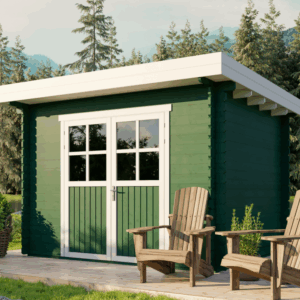
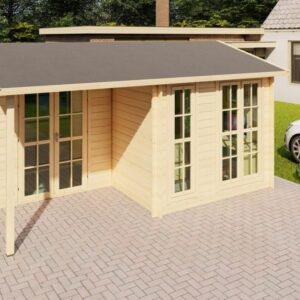
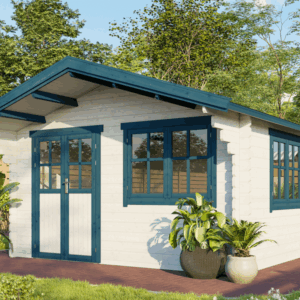
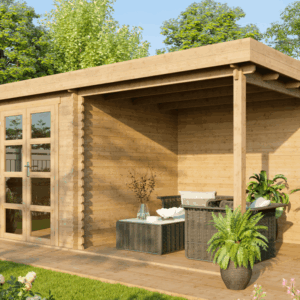
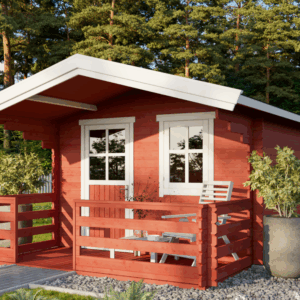
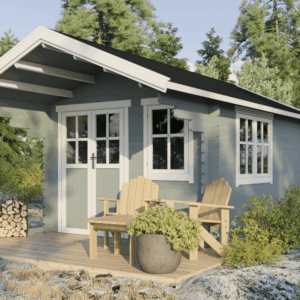
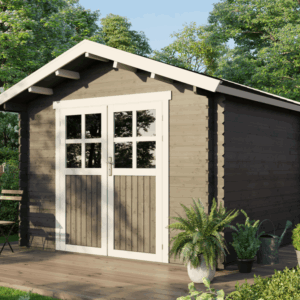
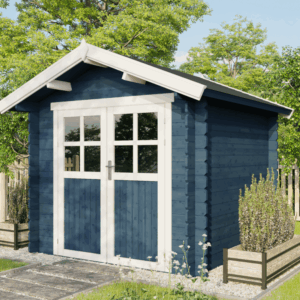
Imagine waking up to the scent of pine, the gentle rustle of leaves, and panoramic views of the Irish countryside. For many, a log cabin represents a romantic escape, a sanctuary from the everyday, and a profound connection to nature. In Ireland, with its breathtaking landscapes and rich heritage, the allure of a self-build log cabin is particularly strong. This guide is your comprehensive companion, designed to illuminate every step of the journey, from initial dream to the satisfying reality of your own handcrafted haven.
Embarking on a self-build project is a significant undertaking, demanding dedication, meticulous planning, and a willingness to learn. However, the rewards are unparalleled: a bespoke home perfectly tailored to your needs, a sense of immense accomplishment, and a property imbued with character and warmth. We’ll explore the unique considerations for self-build log cabins in Ireland, addressing everything from planning permission and site selection to construction techniques and finishing touches, ensuring your dream log cabin becomes a tangible, beautiful reality.
The Allure of Log Cabins in the Irish Landscape
Ireland’s natural beauty provides an idyllic backdrop for log cabins, blending seamlessly with rolling hills, ancient woodlands, and dramatic coastlines. The inherent rustic charm of a log structure complements the traditional Irish aesthetic, offering a sense of timelessness and authenticity. These homes evoke a feeling of warmth and comfort, a stark contrast to the often-harsh elements, making them a perfect retreat.
Beyond aesthetics, log cabins offer significant environmental benefits. Timber is a renewable resource, and well-constructed log homes can boast excellent thermal insulation, leading to lower energy bills and a reduced carbon footprint. This eco-conscious aspect resonates deeply with many who choose to build in harmony with their surroundings, further enhancing the appeal of a self-build log cabin in Ireland.
Planning Your Self-Build Log Cabin: The Crucial First Steps
Before a single log is laid, rigorous planning is paramount. This involves a realistic assessment of your budget, timelines, and the skills you possess or can access. Understanding the complexities of self-building is the bedrock of a successful project, preventing costly mistakes and unnecessary stress down the line. Thorough research into design options, materials, and potential challenges will set you on the right path.
Consider the lifestyle your log cabin will support. Is it a permanent residence, a holiday home, or a weekend escape? This will influence everything from size and layout to the level of insulation and the type of amenities required. Engaging with architects or experienced designers early on can help translate your vision into practical, buildable plans that comply with all regulations.
Navigating Planning Permission in Ireland for Log Cabins
Obtaining planning permission for any new dwelling in Ireland can be a complex process, and log cabins are no exception. Local authorities will assess your proposal based on a range of factors, including the suitability of the site, the design’s visual impact, and its adherence to local development plans. It’s crucial to understand the specific requirements of your local planning authority from the outset.
Consulting with a planning consultant experienced in rural or self-build projects can be invaluable. They can guide you through the application process, help prepare necessary documentation such as site maps and architectural drawings, and advise on any potential hurdles. Demonstrating how your log cabin will integrate harmoniously with the surrounding environment is often a key factor in securing approval.
Choosing the Right Location for Your Irish Log Cabin
The selection of your building site is arguably one of the most critical decisions you will make. Consider factors such as access, services (water, electricity, wastewater), soil conditions, and orientation to take advantage of natural light and prevailing weather patterns. A site with natural beauty and a sense of seclusion will undoubtedly enhance the overall experience of living in your log cabin.
Think about the long-term implications of your chosen location. Will it be convenient for commuting if it’s a primary residence? Are there any restrictions on development or future expansion? Proximity to amenities and transport links should be weighed against the desire for a peaceful, rural setting. A site visit with a builder or surveyor can reveal potential issues you might not otherwise identify.
Log Cabin Construction Methods: Understanding Your Options
The core of your log cabin’s structure lies in its construction method. The most common approach for self-builds in Ireland involves solid timber logs, either round or square. These logs are typically interlocked at the corners, forming a strong and aesthetically pleasing wall system. The quality and type of timber used will significantly impact the cabin’s durability, insulation, and appearance.
Another increasingly popular method is the log kit system, where pre-cut logs and components are delivered to your site, simplifying the assembly process considerably. These kits often come with detailed instructions and can be assembled by individuals with moderate DIY experience. Understanding the pros and cons of each method, including timber species, log profiles, and sealing techniques, is essential for making an informed choice.
Solid Log Construction: The Traditionalist’s Choice
Solid log construction involves stacking and interlocking individual logs, either in their natural round form or milled into uniform profiles. This method offers a truly authentic log cabin aesthetic, with each log contributing to the character of the home. The craftsmanship involved can be immensely rewarding for a dedicated self-builder, resulting in a unique and robust structure.
The key to successful solid log construction lies in selecting high-quality, seasoned timber that is resistant to warping and cracking. Proper jointing techniques at the corners, known as saddle-notching or dovetailing, are crucial for structural integrity and weatherproofing. This method often requires more specialized tools and a greater understanding of timber behaviour.
Log Kit Systems: Efficiency and Precision
Log kit systems offer a streamlined approach to building, with all components precisely manufactured off-site. This precision ensures a good fit, reducing construction time and minimizing potential errors. Kits typically include wall logs, roof trusses, floor joists, and often windows and doors, providing a comprehensive package for the self-builder.
The advantage of a kit is the pre-cut nature of the timber, which significantly simplifies the assembly process. While the initial cost of a kit might seem higher, the time saved and the reduction in potential waste can often make it a more cost-effective solution overall. Careful research into reputable kit suppliers is vital to ensure the quality of materials and the accuracy of the design.
Foundation and Base for Your Log Cabin
A solid foundation is the unsung hero of any robust structure, and your log cabin is no exception. The type of foundation required will depend on your site’s soil conditions, the size and weight of your cabin, and local building regulations. Common options include concrete strip foundations, raft foundations, or pier foundations, each with its own advantages and installation complexities.
Ensuring the foundation is level and provides adequate drainage is critical to prevent moisture ingress into your logs. A well-constructed base will protect your log cabin from ground dampness and provide a stable platform for years to come. It’s often advisable to engage a structural engineer to advise on the most appropriate foundation type for your specific location and design.
Building the Walls: The Heart of Your Log Cabin
The erection of the log walls is often the most visually dramatic stage of a self-build log cabin. Whether you are using individual logs or assembling a kit, careful attention to detail is paramount. Each log needs to be precisely fitted, and the corner joints must be secure to ensure structural integrity and airtightness.
Proper sealing between logs is essential to prevent drafts and moisture penetration, which can lead to rot and damage. Modern sealants and chinking materials are available that are durable and aesthetically pleasing, complementing the natural look of the timber. Regular inspection and maintenance of these seals will be a part of your ongoing log cabin care.
Roofing and Insulation: Keeping Your Cabin Cozy
The roof is your cabin’s first line of defence against the elements, so its construction and insulation are vital for comfort and energy efficiency. The type of roofing material you choose will influence its durability, maintenance requirements, and aesthetic. Options range from traditional slates and tiles to modern metal roofing or even green roofs, which can enhance insulation and blend with the landscape.
Effective insulation in the roof space is crucial for retaining heat during colder months and keeping the cabin cool in summer. Beyond the roof, consider insulating the floor and any timber-framed elements to create a truly comfortable living environment. This proactive approach to insulation will significantly reduce your heating and cooling costs.
Windows, Doors, and Interior Finishing Touches
Your choice of windows and doors will not only impact the aesthetic of your log cabin but also its security, insulation, and natural light. Opting for high-quality, energy-efficient units is a sound investment that will pay dividends in comfort and lower utility bills. Consider the style of windows that best complements the rustic charm of a log cabin.
Inside, the finishing touches will truly bring your log cabin to life. Decisions about flooring, internal walls, plumbing, and electrical installations will shape the functionality and feel of your home. Embracing natural materials and simple designs can enhance the cozy, organic atmosphere of a log cabin, creating a harmonious living space.
Maintaining Your Self-Build Log Cabin in Ireland
The beauty of a log cabin comes with a commitment to its upkeep. Regular maintenance is key to preserving its structural integrity and aesthetic appeal for generations to come. This typically involves periodic inspection of the logs for any signs of wear or pest infestation, as well as reapplication of protective finishes.
Protecting the exterior timber from the elements is paramount. This may involve cleaning, staining, or sealing the logs every few years, depending on the products used and the exposure to weather. Addressing any minor issues promptly will prevent them from becoming larger, more costly problems, ensuring your log cabin remains a source of pride and comfort.
The Unforgettable Journey of a Self-Build Log Cabin
Building a log cabin in Ireland yourself is more than just a construction project; it’s a deeply personal and incredibly rewarding journey. It’s about creating a home that reflects your values, your love for nature, and your desire for a unique living experience. The challenges are real, but the satisfaction of inhabiting a space you’ve brought to life with your own hands is immeasurable.
As you navigate the planning, building, and finishing stages, remember to celebrate each milestone. The scent of freshly cut timber, the satisfaction of a perfectly fitted joint, and the eventual warmth of your finished home will be memories you cherish. With careful planning, diligent effort, and a passion for your project, your dream self-build log cabin in Ireland is well within reach.
“`
Looking for services in Milestone? You may also like: Flower Delivery 24.