
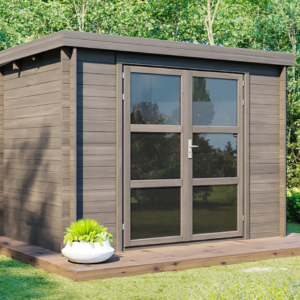
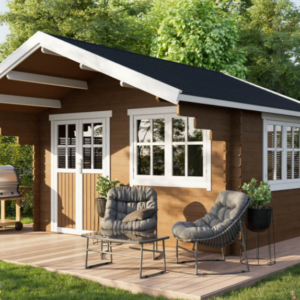
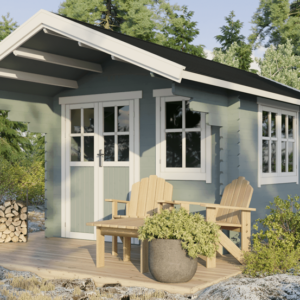
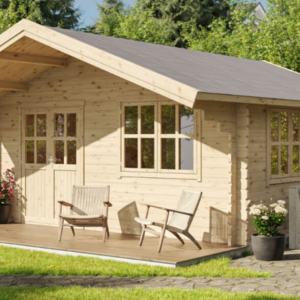
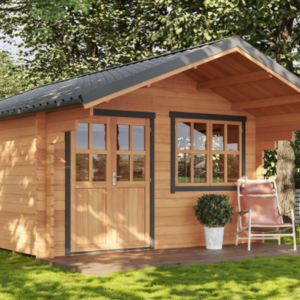
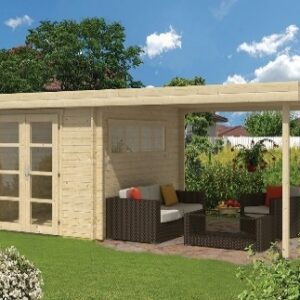
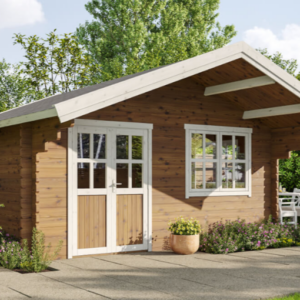
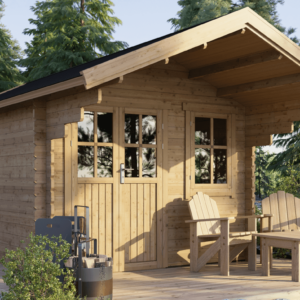
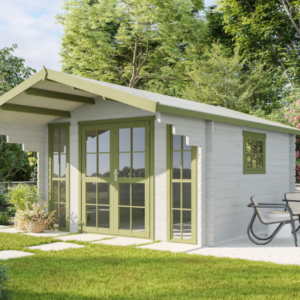
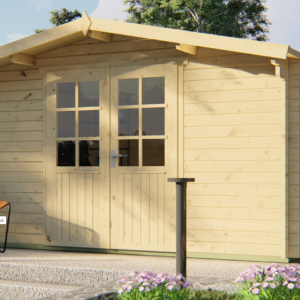
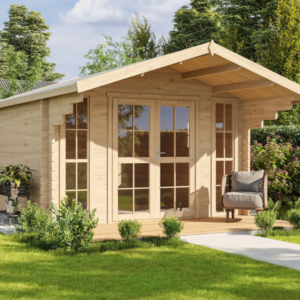
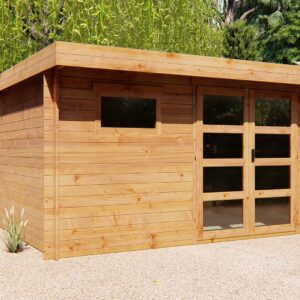
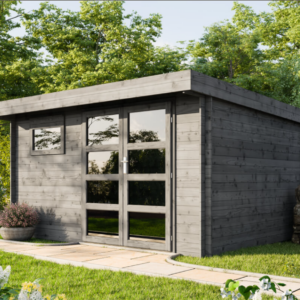
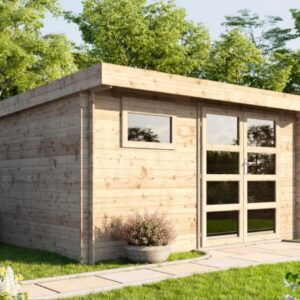
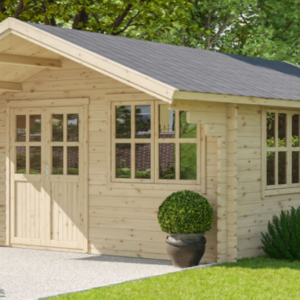
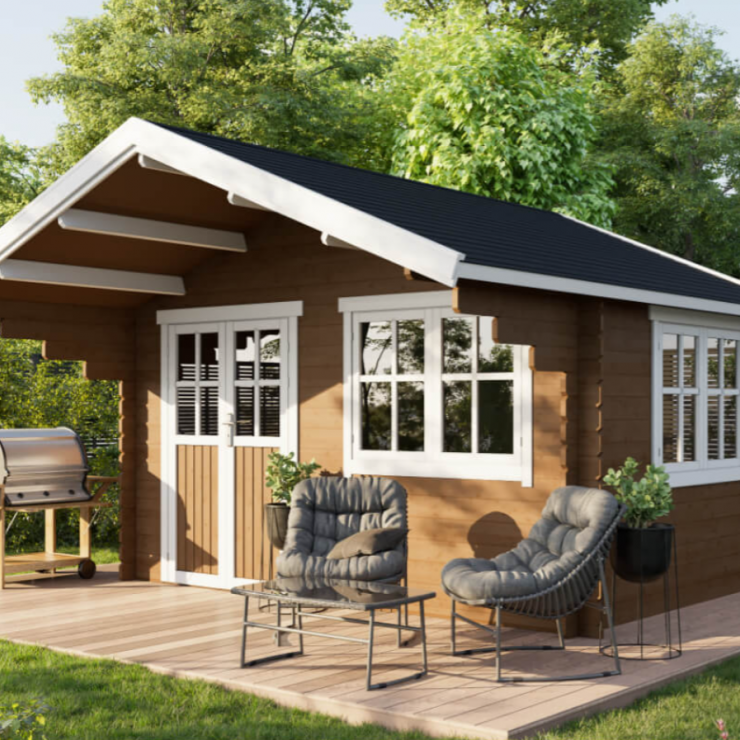
The allure of a timber log house in Ireland is undeniable, conjuring images of rustic charm, cozy interiors, and a profound connection to the natural landscape. Far from being a fleeting trend, log homes represent a sustainable and aesthetically pleasing approach to building that has seen a resurgence in popularity across the Emerald Isle. This guide will delve into everything you need to know about owning a log house in Ireland, from the benefits and considerations to finding the right professionals and understanding the planning process.
Imagine waking up to the scent of pine, with the gentle hum of nature just outside your window, all within the comforting embrace of solid timber walls. This isn’t just a fantasy; it’s the reality that many are discovering with timber log houses, offering a unique blend of tradition and modern comfort. Ireland’s stunning natural beauty provides the perfect backdrop for these characterful homes, making them a natural fit for the discerning homeowner seeking something truly special.
From the rugged west coast to the rolling green hills of the midlands, a timber log house can harmonise beautifully with its surroundings, offering an eco-conscious building solution that stands the test of time. This enduring appeal is rooted in the inherent qualities of timber and the craftsmanship that goes into creating these architectural gems. Let’s explore why so many are choosing this path for their dream Irish abode.
The Enduring Appeal of Timber Log Houses in Ireland
The appeal of a timber log house in Ireland stems from a deep-seated appreciation for nature and a desire for a home that feels both grounded and warm. Unlike conventional brick and mortar structures, log homes possess a unique character that is both visually striking and intrinsically comforting. The natural grain and texture of the wood create a living, breathing space that connects inhabitants with the outdoors in a profound way.
Furthermore, the growing global consciousness towards sustainability has significantly boosted the popularity of timber construction. Wood is a renewable resource, and when responsibly sourced, it offers a lower carbon footprint compared to many other building materials. This eco-friendly aspect resonates deeply with many in Ireland, a country with a strong connection to its natural heritage.
Beyond the environmental advantages, there’s an undeniable aesthetic charm that log houses offer. They evoke a sense of heritage and tradition, often reminiscent of historic dwellings and natural landscapes, while still being adaptable to modern living. This blend of timeless appeal and contemporary comfort is a powerful draw for those seeking a unique and personal sanctuary.
Benefits of Owning a Timber Log House
Choosing a timber log house in Ireland comes with a wealth of advantages that extend beyond mere aesthetics. One of the most significant is the inherent thermal efficiency of solid timber construction. Logs, with their dense structure, act as a natural insulator, keeping homes warm in winter and cool in summer, which can lead to substantial savings on energy bills.
Another key benefit is the natural air quality and humidity regulation that timber provides. Wood has the ability to absorb excess moisture from the air and release it when the air becomes dry, contributing to a healthier and more comfortable indoor environment. This “breathing” quality of log homes is often praised by occupants for creating a superior living atmosphere.
The durability and longevity of a well-constructed log house are also significant factors. When treated and maintained properly, timber can last for centuries, often outperforming other building materials. This makes a log home a sound long-term investment, a legacy that can be passed down through generations.
Finally, the psychological benefits of living in a timber home are well-documented. The natural patterns and textures of wood have a calming effect, reducing stress and promoting a sense of well-being. This connection to nature can significantly enhance the quality of life for homeowners.
Key Considerations Before Building
Embarking on the journey of building a timber log house in Ireland requires careful planning and consideration of several important factors. Foremost among these is understanding the specific building regulations and planning permission requirements. While log houses are becoming more common, it’s crucial to work with local authorities and experienced professionals to ensure compliance.
The choice of timber is paramount, influencing not only the aesthetic but also the structural integrity and longevity of your home. Different species of wood offer varying properties in terms of durability, insulation, and resistance to pests and moisture. Common choices in Ireland include pine, spruce, and oak, each with its own unique characteristics and maintenance needs.
Financing a log house can also present unique challenges. While traditional mortgages may be available, it’s advisable to research lenders who have experience with non-standard construction methods. Open communication with your builder and lender from the outset is essential to navigate any financial complexities.
Furthermore, consider the ongoing maintenance requirements. While log homes are durable, they do require specific care to protect the wood from the Irish climate. Regular sealing, staining, and inspection for pests are essential to preserve the beauty and structural integrity of your home.
The Planning and Permitting Process for Log Houses
Navigating the planning and permitting process for a timber log house in Ireland is a critical step, and it’s often perceived as more complex than for traditional builds. However, with the right approach and professional guidance, it can be a smooth and manageable experience. Local authorities will be looking for assurances that your log home meets all standard building codes and regulations, including structural integrity, fire safety, and environmental impact.
Engaging with an experienced architect or planning consultant who specializes in timber construction is highly recommended. They will be familiar with the specific requirements and can help you prepare a comprehensive planning application that addresses all potential concerns. This includes detailed drawings, structural calculations, and information about the proposed materials and construction methods.
Understanding local zoning laws and any specific landscape character assessments is also vital. The aesthetic of your log home should ideally complement its surroundings, and the planning department will want to see evidence of this. Sometimes, demonstrating how your chosen timber and design will integrate harmoniously with the Irish landscape can be a persuasive factor.
Be prepared for the possibility of needing to provide additional information or make adjustments to your plans based on feedback from the planning authority. Patience and a proactive approach to communication with your local council will significantly increase your chances of a successful outcome and allow you to move forward with building your dream log home.
Choosing the Right Timber and Construction Method
The foundation of any successful timber log house in Ireland lies in the selection of the right timber and the construction method employed. Different wood species possess unique characteristics that impact the durability, insulation, and aesthetic of the final structure. Pine and spruce are popular choices due to their availability, relatively lower cost, and good insulating properties, making them well-suited to the Irish climate.
For a more premium and exceptionally durable option, hardwoods like oak can be considered, though they come at a higher price point and require more specialized craftsmanship. The key is to select timber that is sustainably sourced, kiln-dried to prevent warping and cracking, and treated to resist moisture and pests common in Ireland’s humid environment.
When it comes to construction methods, there are generally two main approaches for log homes: full scribe and chink style. Full scribe involves logs being precisely fitted together, creating a tight seal without the need for filler. This method offers excellent insulation and a seamless aesthetic.
The chink style, on the other hand, uses logs with a gap between them, which is then filled with a material called chinking. This method can offer a more rustic appearance and is often more forgiving during construction, but it requires careful application of the chinking material to ensure adequate insulation and weatherproofing. The choice between these methods will depend on your desired aesthetic, budget, and the expertise of your chosen builder.
Finding Reputable Builders and Suppliers
Securing the services of a reputable builder and reliable suppliers is paramount to the success of your timber log house project in Ireland. The specialized nature of log home construction demands a team with proven experience and a deep understanding of timber framing techniques and materials. Seek out builders who can provide a portfolio of completed log homes, client testimonials, and clear references.
When interviewing potential builders, inquire about their experience with the specific type of log construction you envision, their warranty policies, and their approach to project management. A good builder will be transparent about costs, timelines, and potential challenges, fostering a collaborative and trustworthy relationship.
Similarly, sourcing your timber and building materials from reputable suppliers is crucial. Look for companies that specialize in timber construction and can guarantee the quality and origin of their wood. Understanding the treatment processes and the sustainability credentials of your timber will give you peace of mind about the longevity and environmental impact of your home.
Don’t hesitate to visit suppliers’ yards to inspect the timber firsthand and discuss your project requirements. Building a strong network of trusted professionals, from designers and engineers to builders and material suppliers, will ensure that your timber log house in Ireland is a beautiful, durable, and well-executed dream.
Designing Your Dream Log Home: Customization and Features
One of the most exciting aspects of building a timber log house is the incredible scope for customization and personalization. Unlike many mass-produced housing options, log homes offer a canvas for your unique vision, allowing you to create a space that perfectly reflects your lifestyle and aesthetic preferences. This bespoke approach ensures your home is not just a dwelling, but a true sanctuary.
From the overall layout and number of rooms to the specific log profiles and finishing touches, every element can be tailored. Consider incorporating features that enhance the connection with nature, such as large windows to maximize natural light and stunning views, or expansive decks and balconies to enjoy the surrounding landscape. These elements amplify the inherent beauty of the log construction.
Interior design can also lean into the natural character of the logs. Exposed timber beams, natural stone fireplaces, and warm, earthy color palettes can create a cohesive and inviting atmosphere. Modern amenities can be seamlessly integrated to ensure comfort and convenience without detracting from the rustic charm. Think about vaulted ceilings for a sense of spaciousness or a cozy loft area for a quiet retreat.
The potential for unique features extends to energy efficiency as well. Incorporating passive solar design principles, high-performance insulation within the log structure, and efficient heating and cooling systems can create a home that is both beautiful and exceptionally sustainable. Your log home can be a testament to both style and environmental responsibility.
The Environmental Benefits of Timber Log Houses
Choosing a timber log house in Ireland is a decision that aligns with a growing global commitment to environmental sustainability. Timber itself is a renewable resource, and when sourced responsibly from sustainably managed forests, it represents an eco-friendly building material with a significantly lower embodied energy compared to concrete, steel, and brick.
During their growth, trees absorb carbon dioxide from the atmosphere, effectively acting as carbon sinks. When this timber is used in construction, that carbon is sequestered within the building for its lifespan, contributing to a reduced carbon footprint for your home. This makes a log house a tangible contribution to mitigating climate change.
Furthermore, the construction process for timber log houses often generates less waste than conventional building methods. The logs themselves are typically prepared off-site, minimizing disruption and material wastage at the building location. This efficiency further enhances the environmental credentials of this building style.
The natural insulating properties of timber also play a crucial role in its environmental benefit. Well-insulated log homes require less energy for heating and cooling, leading to lower greenhouse gas emissions throughout their operational life. This holistic approach to sustainability, from sourcing materials to daily living, makes timber log houses a responsible and forward-thinking choice.
Maintenance and Longevity of Your Irish Log Home
The longevity and enduring beauty of a timber log house in Ireland depend significantly on proper maintenance. While timber is a robust material, its natural properties require specific care to protect it from the elements and ensure it stands the test of time. The damp Irish climate, in particular, necessitates a proactive approach to upkeep.
Regular inspection of the exterior logs is crucial. Look for any signs of cracking, warping, or insect infestation. Periodic resealing and staining are essential to maintain the protective barrier against moisture and UV damage, which can cause the wood to fade and deteriorate. Applying a quality wood sealant every few years, depending on the product and exposure, will significantly extend the life of your logs.
Maintaining the integrity of the chinking (if applicable) and the seals around windows and doors is also vital. Any gaps or deterioration in these areas can allow moisture to penetrate, leading to potential rot and structural issues. Addressing these minor repairs promptly will prevent more significant problems down the line.
Internally, keeping the logs clean and free from dust will help maintain their natural appearance and prevent potential issues. Ensuring good ventilation within the home also plays a role in managing humidity levels, which benefits both the timber and the overall health of the living environment. With consistent, mindful care, your timber log house in Ireland will remain a beautiful and resilient home for generations to come.
Conclusion: Embracing the Timber Log House Lifestyle in Ireland
Embracing the timber log house lifestyle in Ireland offers a unique and deeply rewarding way of living. It’s a choice that champions sustainability, natural beauty, and a profound connection to the environment. From the moment you step across the threshold, the warmth and character of the timber create an atmosphere of peace and belonging, a true sanctuary from the outside world.
The journey of building a log home, while requiring careful planning and attention to detail, is an incredibly fulfilling process. By understanding the benefits, considering the key factors, and working with skilled professionals, you can bring your dream timber log house to life. It’s an investment not just in a property, but in a lifestyle that prioritizes well-being and environmental consciousness.
Whether nestled in a serene countryside setting or situated with views of the Atlantic, your timber log house in Ireland will stand as a testament to timeless design and sustainable living. It’s an invitation to live closer to nature, to embrace a slower pace, and to create lasting memories within walls that tell a story of craftsmanship and natural harmony. Make your Irish dream a reality with the enduring appeal of a timber log home.
“`