
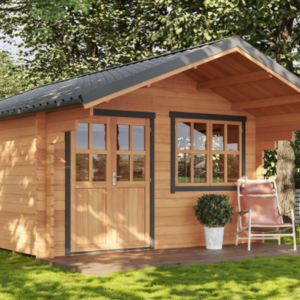

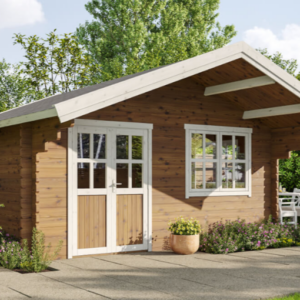
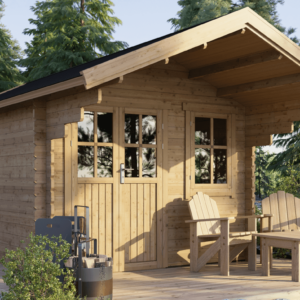
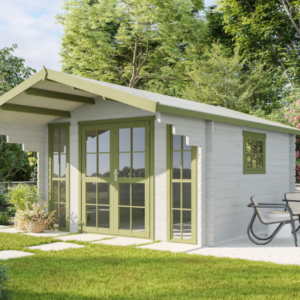
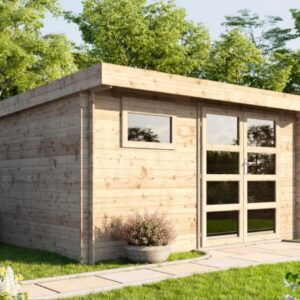
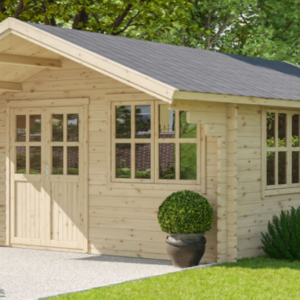
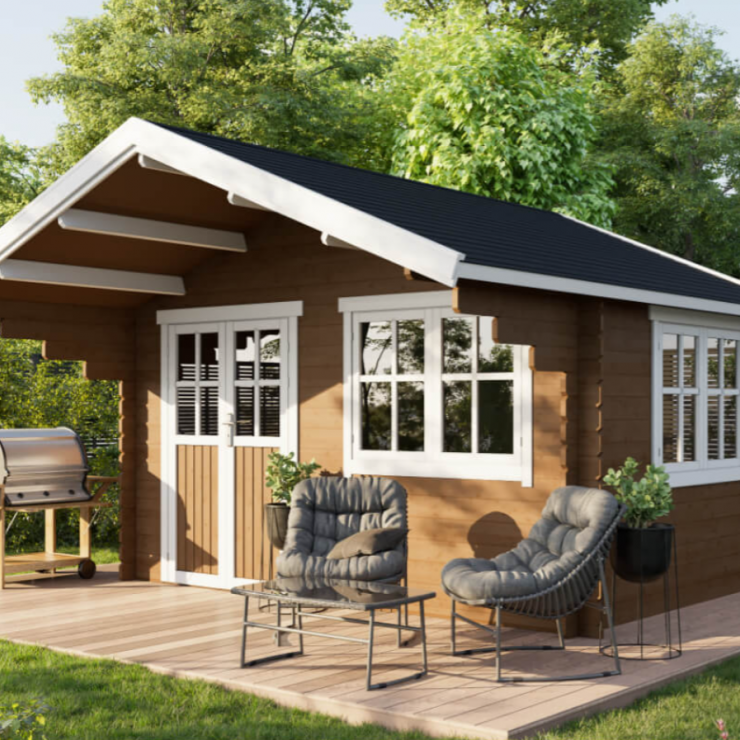
Imagine waking up to the crisp Irish air, the scent of pine in the air, and the gentle rustling of leaves outside your window. Owning a log cabin in Ireland is a dream for many, offering a unique blend of natural beauty, tranquility, and a connection to the land. However, the upfront cost can seem daunting, making the prospect of financing such a purchase a significant consideration. This comprehensive guide will explore the various avenues available for log cabins on finance in Ireland, empowering you to turn your countryside vision into a reality.
The allure of a log cabin extends beyond just a holiday home; it represents a lifestyle choice. Many individuals are drawn to the sustainable, natural materials and the aesthetic appeal that a well-crafted log structure offers. From cozy weekend getaways to full-time rural residences, the versatility of log cabins makes them an increasingly popular housing option across the Emerald Isle. Understanding the financial landscape is the crucial first step in making this dream accessible.
Navigating the world of finance for a non-traditional dwelling like a log cabin can present unique challenges. Unlike standard brick-and-mortar properties, lenders may have different criteria and processes when it comes to approving loans for log home construction or purchase. Therefore, thorough research and understanding the specific requirements are paramount to securing the necessary funding. This post aims to demystify these processes and offer practical advice.
Understanding Your Log Cabin Finance Options in Ireland
Securing finance for a log cabin in Ireland typically involves a few primary routes, each with its own set of advantages and considerations. The most common approach is through a mortgage, similar to buying a traditional house, but with nuances specific to timber-framed structures. Alternatively, personal loans or self-build mortgages might be suitable depending on your project’s scale and your financial circumstances.
It’s vital to distinguish between purchasing a pre-built log cabin and constructing one from scratch. The finance requirements can differ significantly. For a purchase, the cabin will likely need to be valued as a permanent dwelling by the lender. For a self-build, the financing will often be released in stages, tied to the construction progress and certified by surveyors.
Furthermore, the location and intended use of the log cabin play a role. A cabin intended as a permanent residence will generally be easier to finance than one designated solely for holiday letting, which might be viewed as a commercial venture by some lenders. Understanding these distinctions will help you target the right financial products and institutions.
Mortgages for Log Cabins: Navigating Lender Requirements
Obtaining a mortgage for a log cabin in Ireland is certainly achievable, but it requires diligent preparation and an understanding of what lenders look for. Many mainstream banks and building societies offer mortgages for properties, and with the right documentation and a sound financial profile, your log cabin can be considered. The key often lies in proving the cabin’s structural integrity and its potential as a secure investment for the lender.
Lenders will want to see evidence that the log cabin meets building regulations and has a long lifespan. This can include detailed plans, specifications of the materials used, and potentially a survey from an independent building surveyor who specializes in timber-framed homes. Demonstrating the cabin’s conformity to current building standards is a significant factor in securing approval.
Be prepared to provide extensive documentation regarding the build or purchase. This includes proof of ownership of the land, planning permission (if applicable), and a detailed breakdown of construction costs if you are building. The more transparent and well-organized your application, the smoother the financing process will be.
Self-Build Mortgages: Financing Your Bespoke Log Home
For those embarking on the journey of building their dream log cabin from the ground up, a self-build mortgage is often the most appropriate financial solution. These mortgages are designed specifically for individuals undertaking a construction project, providing funds in stages as the build progresses. This allows you to manage your budget effectively and ensures that you only borrow what you need at each phase of construction.
The application process for a self-build mortgage typically involves submitting detailed architectural plans, a full cost breakdown, and a schedule of works. Lenders will want to see that you have a competent builder or project manager in place and that the project is viable from a financial and logistical perspective. They will also require regular inspections by an approved surveyor to verify progress and authorize the release of funds.
It is essential to have a realistic budget and contingency plans in place when applying for a self-build mortgage. Unexpected costs can arise during construction, and lenders will want to be confident that you can manage these without jeopardizing the project. Securing quotes from reputable suppliers and builders well in advance is crucial for a successful application.
Personal Loans and Other Financing Avenues
In some cases, for smaller log cabin projects or as a supplementary funding source, personal loans might be considered. While typically less substantial than mortgages, personal loans can offer a straightforward way to finance the purchase of a pre-fabricated cabin kit or to cover specific aspects of a build. However, the interest rates on personal loans can often be higher than those on mortgages, making them less cost-effective for larger sums.
Another option to explore could be bridging loans, especially if you have a property to sell and need immediate funds for your log cabin. These are short-term loans designed to cover a financial gap until longer-term finance is secured or an asset is sold. They are generally more expensive and should be carefully considered for their short-term nature.
Consider exploring specialist lenders who may have more flexible criteria for non-standard properties. While they might not be as prevalent as mainstream banks, some financial institutions cater specifically to unique housing solutions like log cabins. Doing your homework and exploring all available avenues can unlock financing options you might not have initially considered.
Key Considerations When Financing a Log Cabin in Ireland
Beyond the general lending criteria, several factors are specific to financing log cabins that you must address. These often revolve around the perceived longevity, insurance, and valuation of timber structures. Understanding these nuances will help you present a more compelling case to potential lenders and insurers.
The insurance of a log cabin is a significant consideration for both you and your lender. Insurers may have specific requirements for timber homes, including the type of wood, its treatment, and fire prevention measures. Obtaining quotes for suitable insurance well in advance is a prudent step, as it will be a mandatory requirement for most financing agreements.
Valuation is another area where log cabins can differ from traditional homes. A qualified valuer experienced with timber construction will be necessary to provide an accurate assessment of your cabin’s market value. This valuation will be a key document for your lender to determine loan-to-value ratios and ensure their investment is protected.
Building Regulations and Planning Permission: The Foundation of Your Loan
Ensuring your log cabin complies with all relevant Irish building regulations and planning permission laws is non-negotiable when seeking finance. Lenders will not approve loans for structures that are not legally permitted or do not meet safety and structural standards. This is the absolute bedrock upon which any financing application will be built.
Obtaining planning permission for a log cabin can sometimes be more complex in certain rural areas, depending on local authority guidelines and zoning regulations. It’s crucial to engage with your local planning department early in the process to understand the requirements and any potential restrictions. Having a clear understanding of these regulations will prevent costly delays and complications.
Building regulations are in place to ensure the safety, health, and welfare of occupants and the public. This includes aspects like structural stability, fire safety, energy efficiency, and drainage. Your log cabin must adhere to these standards, and you will likely need to provide evidence of compliance, such as building control compliance certificates, to your lender.
Valuation and Surveying: Proving Your Cabin’s Worth
The valuation of a log cabin is crucial for securing finance, as it helps lenders assess the property’s market value and determine the loan amount. It’s vital to use a qualified surveyor who has experience with timber-framed properties. They will be able to assess the quality of the construction, the lifespan of the timber, and the overall condition of the cabin.
A professional survey will also identify any potential issues with the structure, such as rot, insect infestation, or structural weaknesses, which could impact its value and insurability. Addressing these issues proactively before seeking finance will present a much stronger application to lenders and insurers. Being transparent about any findings will also build trust.
The valuation report will be a key document for your lender, influencing the loan-to-value ratio they are willing to offer. A higher valuation generally translates to a larger loan amount and potentially more favourable interest rates. Investing in thorough and reputable surveying services is therefore a wise financial decision when financing a log cabin.
Insurance: Protecting Your Investment
Securing adequate insurance for your log cabin is a critical step, and it’s a requirement that most lenders will insist upon. Log cabins, being constructed of timber, can have different insurance needs compared to traditional brick and mortar properties. This is particularly true regarding fire cover and potential damage from pests or environmental factors.
When researching insurance providers, look for those who have experience insuring timber-framed homes. You may need to provide details about the type of wood used, its treatment, and any fire-retardant measures installed in your cabin. Understanding these specifics will help you get accurate quotes and ensure comprehensive coverage.
The cost of insurance can vary significantly depending on the cabin’s location, size, and the level of cover you choose. It’s advisable to shop around and compare quotes from several insurance companies. Having a valid insurance policy in place will not only protect your investment but also satisfy the requirements of your financing agreement.
Tips for a Successful Log Cabin Finance Application in Ireland
Successfully securing finance for your log cabin involves more than just meeting the basic criteria. It’s about presenting a strong, well-prepared application that instills confidence in lenders. A proactive and organized approach can significantly increase your chances of approval and lead to better financing terms.
Start by thoroughly assessing your financial situation. Understand your credit score, your income, and your existing debts. Lenders will scrutinize these aspects to gauge your ability to repay the loan. Improving your credit score and reducing outstanding debts before applying can make a substantial difference.
Building a strong relationship with a mortgage advisor or a bank can also be beneficial. They can offer guidance tailored to your specific situation and help you navigate the complexities of log cabin financing. Having a trusted advisor can save you time, stress, and potentially money.
Preparing Your Documentation: The Cornerstone of Your Application
Meticulous preparation of all necessary documentation is the absolute cornerstone of any successful loan application, and this is especially true for a log cabin. Lenders require a comprehensive overview of your financial standing, the property itself, and your construction plans. The more organized and complete your paperwork, the more confident a lender will feel about approving your loan.
This typically includes proof of income such as payslips and tax returns, bank statements, and details of any existing credit. For the property, you’ll need to provide land ownership documents, planning permission, building control compliance certificates, and the valuation report. If you are building, a detailed breakdown of all construction costs, contractor details, and material specifications will be essential.
Consider creating a dedicated folder or digital archive for all your log cabin related documents. This will not only help you stay organized but will also impress your lender with your professionalism and thoroughness. Any gaps or missing information can lead to delays or outright rejection, so diligence here is paramount.
Choosing the Right Lender for Your Log Cabin Project
Not all lenders are created equal, and for a log cabin, it’s important to find one that understands the unique aspects of timber construction. While major banks may offer standard mortgages, some may be less familiar or comfortable with non-traditional housing. Exploring specialist lenders or brokers who have experience with self-builds or unique properties can be highly advantageous.
Engage in conversations with potential lenders early in your planning process. Discuss your project, its specifications, and your financing needs. Their initial reactions and questions can provide valuable insight into their suitability for your project. Don’t hesitate to ask about their experience with log cabins specifically.
Compare not only interest rates but also loan terms, fees, and the overall customer service provided. A lender who is responsive and knowledgeable about your specific needs will make the entire financing journey much smoother. Building a good rapport from the outset can be incredibly beneficial.
Understanding Loan-to-Value Ratios and Deposit Requirements
The loan-to-value (LTV) ratio is a critical metric that lenders use to determine how much they are willing to lend against the value of your log cabin. It’s expressed as a percentage, with a lower LTV meaning you contribute a larger deposit. For log cabins, lenders might be more conservative with their LTVs compared to traditional brick houses.
Typically, a higher deposit will improve your chances of approval and can secure you a more favourable interest rate. For self-build mortgages, the deposit requirement might be tied to the overall project cost, and the funds may be released incrementally. It’s important to have a clear understanding of how the deposit will be used throughout the construction or purchase process.
Be prepared for the possibility that you may need a larger deposit for a log cabin than for a comparable traditional home. This is often due to the lender’s assessment of risk and the perceived resale value of timber structures. Thoroughly understanding these requirements will help you budget effectively and avoid surprises.
The Future of Log Cabin Living in Ireland and its Financing
As environmental awareness grows and the desire for a more sustainable lifestyle intensifies, the popularity of log cabins in Ireland is likely to continue its upward trajectory. This growing demand, coupled with advancements in building techniques and materials, will undoubtedly influence the financing landscape.
We may see an increase in financial products specifically tailored to eco-friendly and sustainable housing solutions, including log cabins. As the market matures and more log cabins are recognized as sound, long-term investments, lenders may become more comfortable and offer more competitive financing options.
The dream of owning a log cabin in Ireland is more attainable than ever. By understanding your financing options, preparing thoroughly, and working with the right professionals, you can navigate the path to owning your rustic retreat with confidence. The peace and connection to nature that a log cabin offers are well worth the effort.
This comprehensive guide has aimed to equip you with the knowledge and confidence to pursue your log cabin aspirations in Ireland. From understanding mortgage options and self-build finance to navigating crucial considerations like planning permission, valuation, and insurance, you are now better positioned to make informed decisions. Remember, thorough preparation, clear communication, and a proactive approach are your greatest allies in securing the finance for your dream log cabin. The serene beauty and unique charm of an Irish log cabin await!
“`