
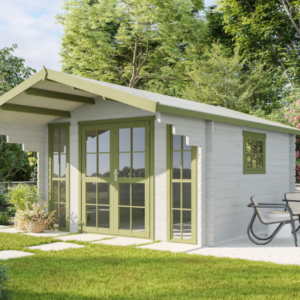
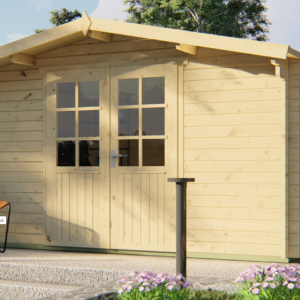
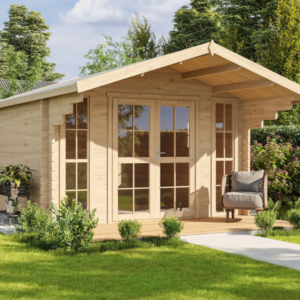
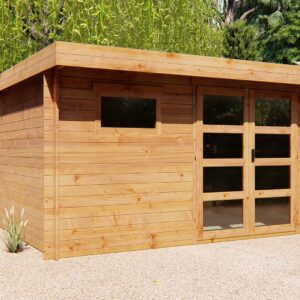
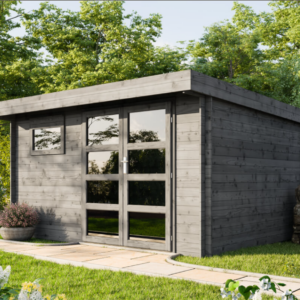
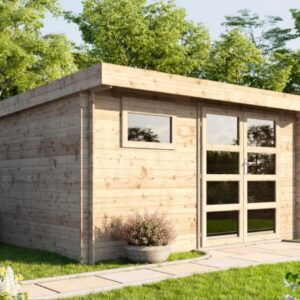
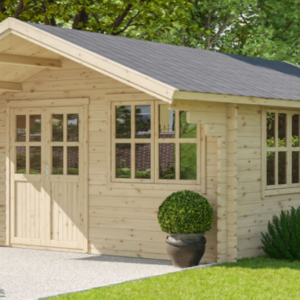
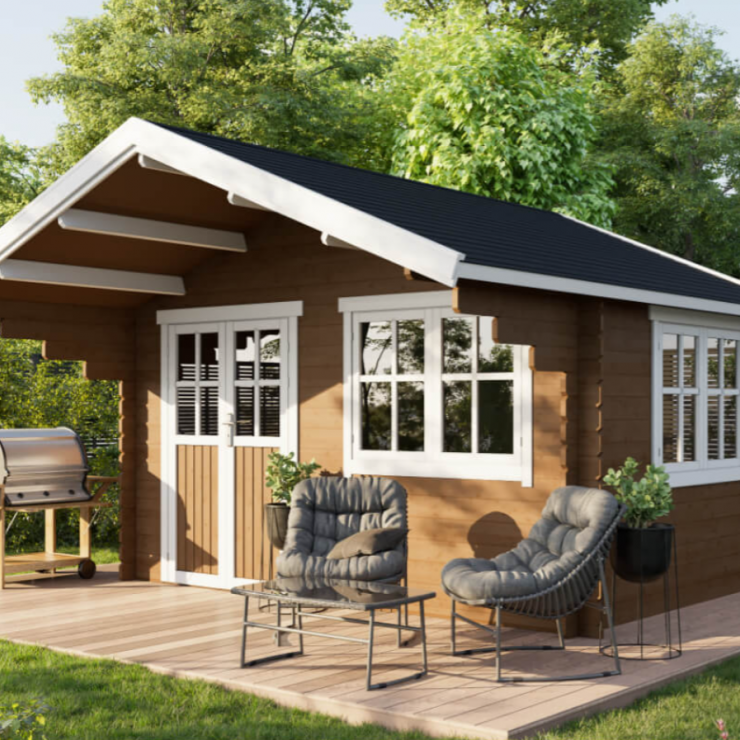
The allure of a log cabin nestled amidst Ireland’s breathtaking landscapes is undeniable. Imagine waking to mist-kissed hills, the scent of peat smoke in the air, and the comforting embrace of natural wood. Building a log cabin here, however, is a journey that requires careful planning and a deep understanding of the unique considerations involved. This comprehensive guide will navigate you through every crucial step, from initial vision to the final finishing touches, ensuring your Irish log cabin dream becomes a tangible reality.
Ireland’s environment presents distinct challenges and opportunities for log cabin construction. From the damp climate to the rolling terrain, understanding these factors is paramount to creating a durable, beautiful, and energy-efficient home. Our aim is to equip you with the knowledge needed to make informed decisions, avoid common pitfalls, and ultimately build a sanctuary that stands the test of time and complements its stunning surroundings.
Understanding the Appeal of Log Cabins in Ireland
The rustic charm and connection to nature are central to the enduring appeal of log cabins. They offer a sense of escape, a retreat from the hurried pace of modern life, and a tangible link to traditional building methods. In Ireland, this appeal is amplified by the country’s profound natural beauty, where a log cabin can truly feel like an organic extension of the landscape.
Beyond aesthetics, log cabins offer inherent sustainability and a unique thermal performance. The natural properties of timber provide excellent insulation, contributing to a warm and cozy interior, particularly welcome during the cooler Irish months. This focus on natural materials and energy efficiency aligns perfectly with a growing desire for environmentally conscious living.
Initial Vision and Design: Bringing Your Log Cabin Dreams to Life
Your log cabin journey begins with a clear vision. What is the primary purpose of your cabin? Is it a holiday retreat, a full-time residence, or perhaps a rental property? Defining this will shape everything from its size and layout to the materials you choose. Consider the lifestyle you envision within its walls – will it be a cozy haven for two, a family gathering spot, or a space for creative pursuits?
Sketching out your ideas and exploring different architectural styles is an essential early step. Look at existing log cabin designs for inspiration, but remember to tailor them to your specific needs and the Irish context. Think about the views you want to capture, the orientation for natural light, and how you want the cabin to integrate with its chosen site.
Choosing the Right Location in Ireland
Selecting the perfect plot of land is arguably the most critical decision in your log cabin planning. Ireland offers an incredible diversity of settings, from secluded rural landscapes to coastal vistas and lakeside tranquility. Consider factors such as accessibility, privacy, and proximity to essential services. The local microclimate, soil conditions, and the potential for natural light and ventilation should also be thoroughly assessed.
Local planning regulations will heavily influence your choices. Research the specific zoning laws and any restrictions that may apply to building in your desired area. Engaging with local authorities early on can save you significant time and potential heartache down the line. Understanding the topography of the land is also crucial for site preparation and foundation design.
Navigating Irish Planning Permission for Log Cabins
Obtaining planning permission for a log cabin in Ireland can be a complex process, often more so than for traditional builds. Local authorities have specific guidelines and requirements that must be met, and it’s vital to approach this stage with diligence and patience. Understanding these regulations upfront will significantly streamline your application.
Factors such as the cabin’s size, scale, proposed location, and its potential impact on the surrounding environment will be key considerations for the planning department. Some areas may have specific policies regarding rural housing or holiday homes, which could affect your application. It is often advisable to consult with a local planning consultant or architect experienced in log cabin builds in Ireland.
Understanding Building Regulations and Standards
Beyond initial planning permission, your log cabin must comply with Irish building regulations. These regulations ensure the safety, structural integrity, and energy efficiency of your home. This includes standards for insulation, ventilation, fire safety, and structural loads, all of which are particularly important in a damp climate like Ireland’s.
Working with qualified professionals, such as structural engineers and energy assessors, is essential to ensure your design meets all regulatory requirements. They can advise on appropriate construction methods and materials that will stand up to the Irish weather and ensure a comfortable living environment throughout the year.
Log Cabin Construction Methods and Materials in Ireland
The core of your log cabin lies in its construction. There are various methods and materials available, each with its own advantages and aesthetic qualities. The most common include solid log construction (where the walls are made of solid, stacked logs) and timber frame construction with log cladding. Your choice will depend on your budget, desired aesthetic, and the level of insulation you aim to achieve.
For Ireland’s climate, selecting durable and weather-resistant timber is crucial. High-quality, kiln-dried logs are essential to minimize settling and prevent issues with moisture. Many builders opt for slow-grown softwood species like pine or spruce, which offer good insulation properties and are readily available. The treatment and finishing of the logs are also paramount to protect against rot, insect infestation, and UV damage.
Solid Log vs. Timber Frame with Log Cladding
Solid log construction offers the authentic, traditional log cabin look and feel. The logs themselves form the structural and insulating elements of the walls, creating a robust and thermally efficient structure. However, this method can be more labor-intensive and may require more settling over time, which needs careful management during construction and finishing.
Timber frame construction with log cladding offers a more modern approach. A traditional timber frame forms the structure, and then log timbers are applied as a decorative and protective outer layer. This method can offer greater design flexibility, potentially faster construction times, and can be easier to meet modern insulation standards with additional wall cavity insulation.
Foundation and Site Preparation for an Irish Log Cabin
The foundation of your log cabin is critical for its long-term stability and to protect it from the damp Irish soil. Traditional concrete strip foundations are common, but other options like raft foundations or screw piles might be considered depending on the soil type and site conditions. Proper drainage around the foundation is absolutely essential to prevent water ingress and potential structural issues.
Site preparation will involve clearing the land, ensuring proper access for construction vehicles, and potentially landscaping to complement the cabin’s design. Consider how rainwater will be managed on your site, ensuring it’s directed away from the cabin’s foundation. A well-prepared site is the bedrock of a successful log cabin build.
Insulation and Energy Efficiency: Staying Cozy in the Irish Climate
Given Ireland’s often damp and cool climate, achieving excellent insulation and energy efficiency is not just a desirable feature but a necessity. Log cabins, particularly those with solid log walls, offer inherent insulation. However, understanding how to maximize this and supplement it where necessary is key to a comfortable and cost-effective home.
Consider the U-values of your chosen construction method and materials. Investing in high-quality insulation for the roof and floor is as important as the wall insulation. Proper air sealing, to prevent drafts and uncontrolled heat loss, is also vital. Modern log cabin construction techniques often incorporate thermal breaks and advanced sealing methods to achieve excellent energy performance.
Ventilation Strategies for Moisture Control
Moisture control is paramount in any building in Ireland, and log cabins are no exception. Proper ventilation is essential to prevent condensation build-up, which can lead to mold and decay. Consider natural ventilation through windows and doors, but also explore mechanical ventilation systems, such as heat recovery ventilation (HRV) systems, which can efficiently manage air quality and moisture levels.
Ensuring adequate airflow within the cabin structure, and especially around the logs, is crucial. This can involve careful detailing during construction and ongoing maintenance. Proper roof overhangs and well-designed guttering systems also play a role in keeping moisture away from the walls and foundation.
Finishing Touches and Maintenance for Your Log Cabin
Once the main structure is complete, the finishing touches bring your log cabin to life. This includes selecting interior finishes, flooring, windows, and doors that complement the natural aesthetic. Exterior finishes are equally important, not only for aesthetics but also for crucial protection against the elements.
Regular maintenance is essential to preserve the beauty and longevity of your log cabin. This typically involves re-staining or treating the exterior logs periodically to protect them from UV rays and moisture. Inspecting seals around windows and doors, and ensuring good drainage, are also part of a proactive maintenance routine.
Choosing Interior and Exterior Finishes
For the interior, consider natural materials like wood flooring, stone accents, and neutral color palettes that enhance the cozy atmosphere. Exposed timber beams and the natural grain of the logs can be celebrated as key design features. For exterior finishes, high-quality stains and sealants are crucial. Choose products that offer UV protection and are resistant to moisture, while also allowing the natural beauty of the timber to show through.
The choice of windows and doors will impact both the aesthetic and the energy efficiency of your cabin. Opt for double or triple-glazed units to minimize heat loss and enhance comfort. Natural wood or classic painted finishes for doors and frames can further enhance the rustic charm of your log cabin.
Conclusion: Your Irish Log Cabin Awaits
Building a log cabin in Ireland is a rewarding endeavor that combines the dream of a natural, tranquil home with the practicalities of construction and planning. By approaching each stage with careful consideration, expert advice, and a deep appreciation for the Irish landscape, you can create a truly unique and enduring sanctuary.
From the initial spark of an idea to the final cozy evening by the fire, the journey of planning and building your Irish log cabin is an adventure in itself. Embrace the process, make informed choices, and look forward to the day you can call your beautiful, bespoke log cabin your own, a testament to your vision and a harmonious addition to Ireland’s stunning natural heritage.
“`