
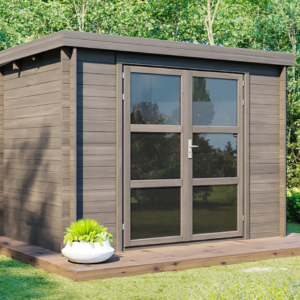
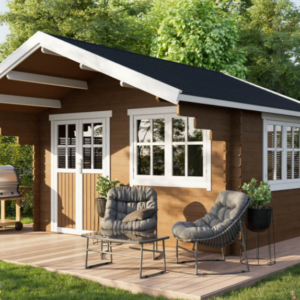
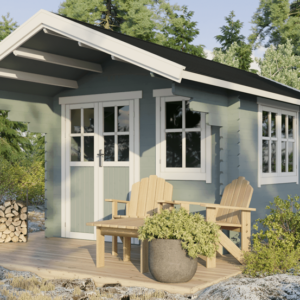
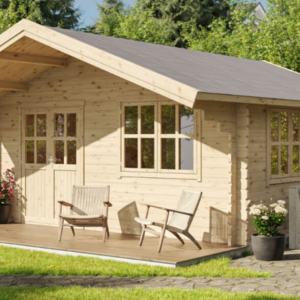
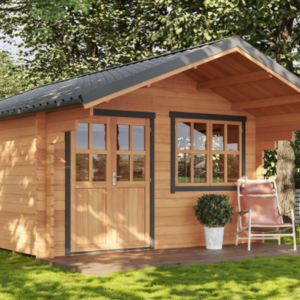
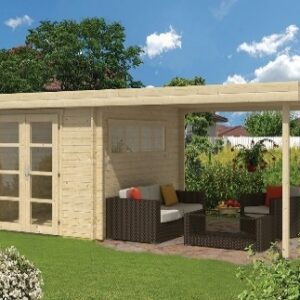
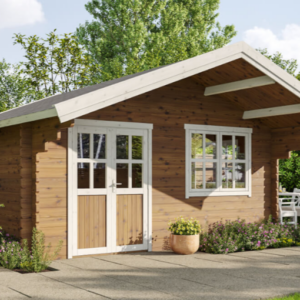
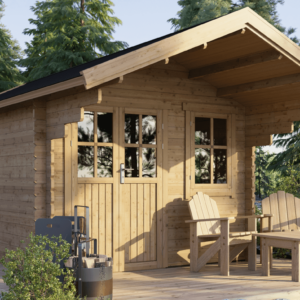
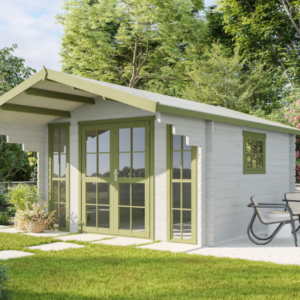
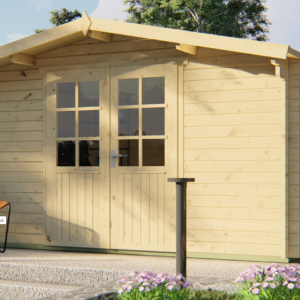
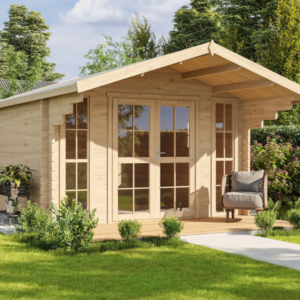
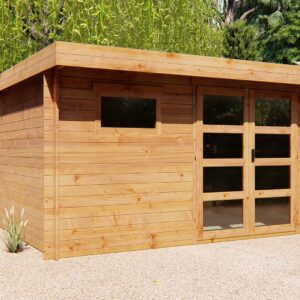
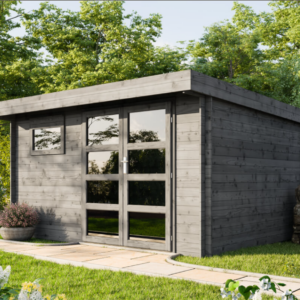
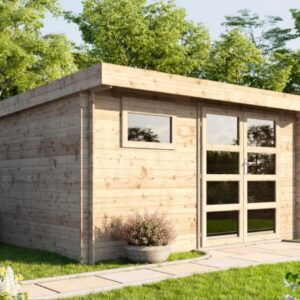
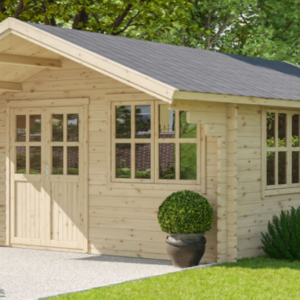
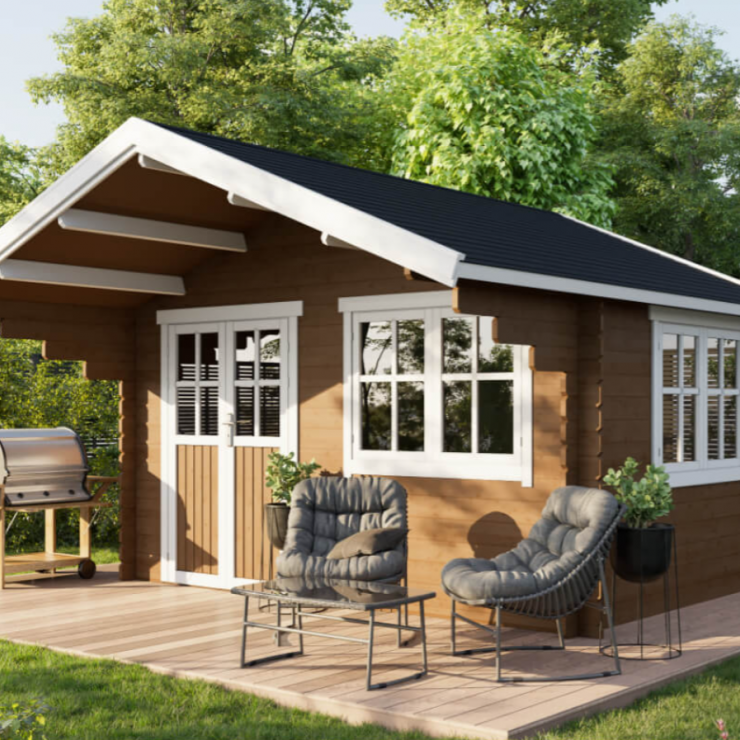
Imagine stepping out your back door into a tranquil haven, a rustic retreat built from the timeless beauty of natural timber. This isn’t just a daydream; for many homeowners across Ireland, a back garden log cabin is a tangible reality, offering a versatile extension of their living space and a cherished escape from the everyday. Whether you envision a serene home office, a cosy guest house, a creative studio, or a dedicated space for hobbies, a log cabin can transform your garden into a multi-functional oasis.
The appeal of a log cabin lies in its inherent charm and connection to nature. The natural insulation properties of wood contribute to a cosy atmosphere in winter and a cooler environment in summer, making it a comfortable space year-round. Furthermore, the aesthetic appeal of a log cabin can significantly enhance your property’s value and curb appeal, blending seamlessly with the Irish landscape.
This comprehensive guide will delve into everything you need to know about acquiring and enjoying a back garden log cabin in Ireland. From understanding planning permission to choosing the right design and ensuring proper maintenance, we’ll equip you with the knowledge to make your log cabin dream a reality.
Why Choose a Back Garden Log Cabin for Your Irish Home?
The enduring popularity of log cabins stems from their remarkable versatility and the unique atmosphere they create. Beyond their aesthetic appeal, they offer practical solutions for modern living. Many people are seeking to expand their living space without the upheaval and cost of a traditional home extension, and a garden log cabin provides just that.
A dedicated home office is a prime example of this growing trend. With the rise of remote work, having a separate, distraction-free workspace becomes invaluable. A log cabin office offers peace and quiet, a natural environment to boost productivity, and a clear separation between work and home life, which is crucial for well-being.
However, the possibilities extend far beyond work. A garden log cabin can serve as a delightful summerhouse for entertaining guests, a tranquil yoga or meditation studio, a dedicated art or craft room, or even a charming children’s playroom. The choice is truly yours, limited only by your imagination and your garden’s potential.
Planning Permission and Regulations for Log Cabins in Ireland
Navigating the world of planning permission is a crucial step in any garden building project, and log cabins in Ireland are no exception. While many smaller garden structures may fall under exempted development, it’s vital to understand the specific regulations set by your local authority to avoid any potential issues down the line.
Generally, if your log cabin is intended for use solely as a domestic outbuilding, such as a shed or playroom, and does not exceed a certain size and height, it may not require full planning permission. However, these exemptions often have strict conditions regarding distance from boundaries, the total area covered by outbuildings, and intended use.
It is always advisable to consult with your local planning authority or a professional architect or planning consultant. They can provide specific guidance based on your location, the size and intended use of your proposed log cabin, and any local area plans that might be in place. Ignoring these regulations can lead to costly delays or even necessitate the removal of your structure.
Key Considerations for Planning Permission
When considering planning permission for your back garden log cabin in Ireland, several key factors will influence the process. The size of the cabin, including its height and footprint, is a primary determinant. Structures exceeding specific dimensions or located too close to property boundaries will likely require formal planning approval.
The intended use of the log cabin is also a significant factor. While a simple storage shed might be exempt, a structure intended for habitable accommodation, such as a guest house or studio with plumbing and electricity, will almost certainly need planning permission. Additionally, any proposed cabin that significantly alters the character of the surrounding area or impacts on neighbouring properties may face stricter scrutiny.
Always err on the side of caution and proactively seek clarification from your local council. Understanding the rules before you invest in your dream cabin will save you time, stress, and potential financial penalties. Many reputable log cabin suppliers also offer guidance on planning regulations for their products.
Choosing the Right Log Cabin for Your Garden
Selecting the perfect log cabin involves a blend of aesthetic preferences, practical needs, and budgetary considerations. The vast array of designs available can be overwhelming, but by breaking down your requirements, you can narrow down the options effectively.
Consider the primary purpose of your cabin. If it’s for storage, a simpler, more robust design might suffice. For a home office, ample natural light and insulation will be paramount. For a guest house, you’ll need to think about sleeping arrangements, potential bathroom facilities, and overall comfort.
Think about the style that best complements your existing home and garden. Do you prefer a traditional, rustic look with prominent log features, or a more contemporary design with sleeker lines and larger windows? The material of the logs themselves also varies, with different wood types offering distinct looks and durability.
Design and Material Considerations
The aesthetic appeal of your back garden log cabin in Ireland is heavily influenced by its design and the materials used. Traditional log cabins often feature interlocking logs, showcasing the natural beauty of the timber. Modern designs may incorporate smoother finishes, larger glazed areas, and a more minimalist aesthetic, blending seamlessly with contemporary garden landscaping.
The type of wood used is another crucial decision, impacting both the look and the longevity of your cabin. Popular choices include pine, spruce, and cedar, each offering different characteristics in terms of grain, colour, and natural resistance to pests and decay. The thickness of the logs is also important, as it directly relates to insulation properties and structural integrity.
When choosing a supplier, look for companies that offer a range of customization options. This allows you to tailor the cabin to your specific needs, whether it’s adjusting window placement for optimal light, adding extra doors for convenience, or choosing specific roofing materials to match your home.
The Installation and Construction Process
Once you’ve chosen your ideal log cabin, the next step is the construction and installation. This can range from a DIY project for the more experienced builder to a fully managed service provided by the supplier. Understanding the process will help you prepare and ensure a smooth build.
A solid foundation is paramount for any garden structure, and a log cabin is no exception. This typically involves preparing the ground and laying a concrete base or using a system of concrete blocks. This ensures stability, prevents ground moisture from affecting the timber, and provides a level surface for the cabin.
The assembly of the logs is usually straightforward, with interlocking systems designed for efficient construction. However, attention to detail is crucial, especially when it comes to sealing joints and ensuring a watertight and draught-free structure. Reputable suppliers will offer clear instructions or a professional installation service.
DIY vs. Professional Installation
Deciding between a DIY installation and professional services for your back garden log cabin in Ireland often hinges on your available time, DIY skills, and budget. A DIY approach can be a rewarding experience and potentially save on costs, but it requires careful planning, accurate measurements, and the right tools.
On the other hand, professional installation offers peace of mind and a guarantee of quality workmanship. Experienced installers will have the necessary expertise to assemble your cabin efficiently and correctly, ensuring it’s structurally sound and weather-resistant. This is particularly advisable if you’re opting for a larger or more complex log cabin design.
Many log cabin suppliers offer both options. If you’re comfortable with basic construction, a DIY kit with detailed instructions can be a great choice. However, for a hassle-free experience and a guaranteed result, investing in professional installation is often the preferred route for many homeowners across Ireland.
Maintaining Your Log Cabin for Longevity
To ensure your back garden log cabin remains a beautiful and functional asset for years to come, regular maintenance is essential. Wood is a natural material and, like all natural materials, it requires care to protect it from the elements and prolong its lifespan.
The most critical aspect of maintenance is protecting the timber from moisture. This involves regular checks for any signs of rot, mould, or insect infestation. Applying a high-quality wood preservative and sealant is crucial, especially on exposed surfaces and joints, to repel water and prevent UV damage.
Cleaning your log cabin is also important. Gentle washing with mild soap and water can remove dirt and grime, preventing it from accumulating and potentially damaging the wood. Regular inspections of the roof and drainage systems are also vital to ensure water is effectively channelled away from the structure.
Essential Maintenance Tasks
Regularly treating the exterior timber of your back garden log cabin in Ireland is paramount for its preservation. This typically involves applying a water-repellent stain or preservative every few years, depending on the product used and the exposure of your cabin to the elements. Pay close attention to areas that receive direct sunlight or are frequently exposed to rain.
Inspecting the seals and joints of your log cabin is another essential maintenance task. Over time, these can degrade, allowing moisture to penetrate the timber. Re-sealing these areas promptly will prevent water damage and maintain the structural integrity of your cabin. Look for any signs of cracking, peeling, or gaps.
Finally, ensure your log cabin has adequate ventilation, especially if it’s used frequently. This helps to prevent condensation build-up, which can lead to mould and rot. Keeping the area around the base of the cabin clear of vegetation will also improve airflow and reduce the risk of dampness.
Enhancing Your Log Cabin Experience
Once your back garden log cabin is in place and properly maintained, you can begin to truly enjoy its potential. Think about how you can enhance its functionality and aesthetic appeal to create your perfect sanctuary.
Consider adding practical elements like shelving, built-in storage, or comfortable seating. For a home office, a good desk, ergonomic chair, and ample lighting are essential. For a relaxation space, soft furnishings, mood lighting, and perhaps even a small sound system can transform the atmosphere.
Exterior enhancements can also make a significant difference. A small deck or patio area outside the cabin can extend your living space into the garden, providing a perfect spot for al fresco dining or simply enjoying the fresh air. Hanging baskets or climbing plants can further integrate the cabin into your garden’s natural beauty.
Interior and Exterior Upgrades
The interior of your back garden log cabin in Ireland can be personalized to reflect your style and intended use. For a functional home office, consider installing power outlets and good lighting to create a productive environment. Comfortable furnishings and decorative touches will make the space more inviting and inspiring.
If your cabin is intended for leisure, think about creating a cosy and relaxing atmosphere. Soft lighting, comfortable seating, and perhaps even a small wood-burning stove can create a wonderful retreat. For a studio, ample natural light and practical storage solutions will be key.
Externally, a well-designed approach to your log cabin can greatly enhance its appeal. Consider adding a small verandah or a paved patio area to create an inviting entrance and a space for outdoor relaxation. Landscaping around the cabin, with complementary plants and flowers, will further integrate it into your garden’s overall aesthetic.
The Investment in a Log Cabin: Value and Return
Investing in a back garden log cabin in Ireland is more than just a home improvement; it’s an investment in your lifestyle and property value. While the initial cost can vary significantly based on size, materials, and features, the long-term benefits often outweigh the expenditure.
The increased living space and functionality provided by a log cabin can significantly enhance your quality of life. The versatility of these structures means they can adapt to your changing needs over time, offering enduring value.
Furthermore, a well-designed and maintained log cabin can add considerable value to your property. It’s a unique selling point that can attract potential buyers, especially in the current market where demand for versatile garden spaces is high. The aesthetic appeal and the practical benefits make it a desirable feature for many.
Conclusion: Your Irish Log Cabin Awaits
From the initial spark of an idea to the final touches of decoration, creating your back garden log cabin in Ireland is a journey of transformation. It’s about crafting a personal sanctuary, a functional extension of your home, and a beautiful addition to your garden that can be enjoyed for generations.
By understanding the planning regulations, carefully selecting your design and materials, and committing to regular maintenance, you can ensure your log cabin is a source of pride and enjoyment. The natural beauty of wood, combined with thoughtful design, creates spaces that are both aesthetically pleasing and deeply functional.
Embrace the possibility of a more peaceful, productive, and enjoyable life with a back garden log cabin in Ireland. It’s an investment in your well-being, your property, and your future.
“`