
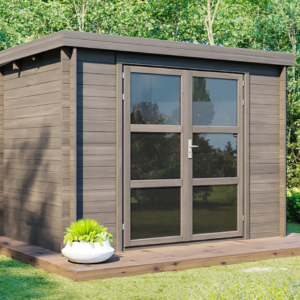
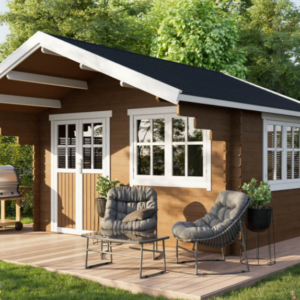
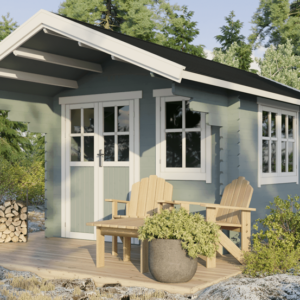
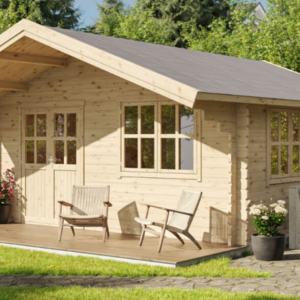
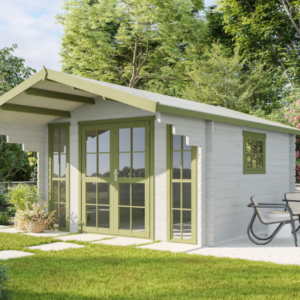
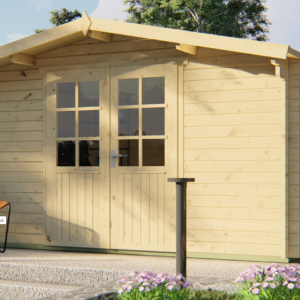
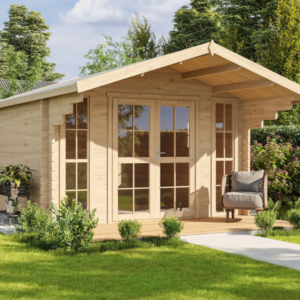
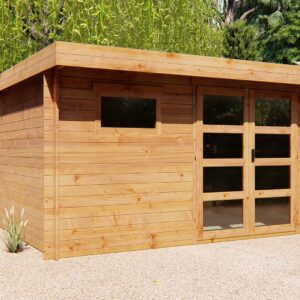
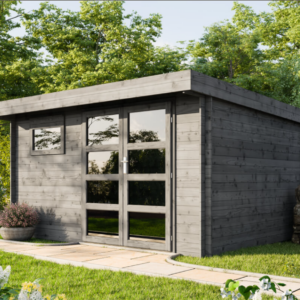
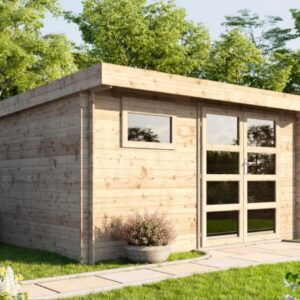
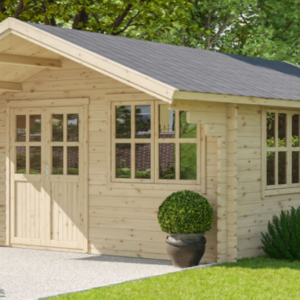
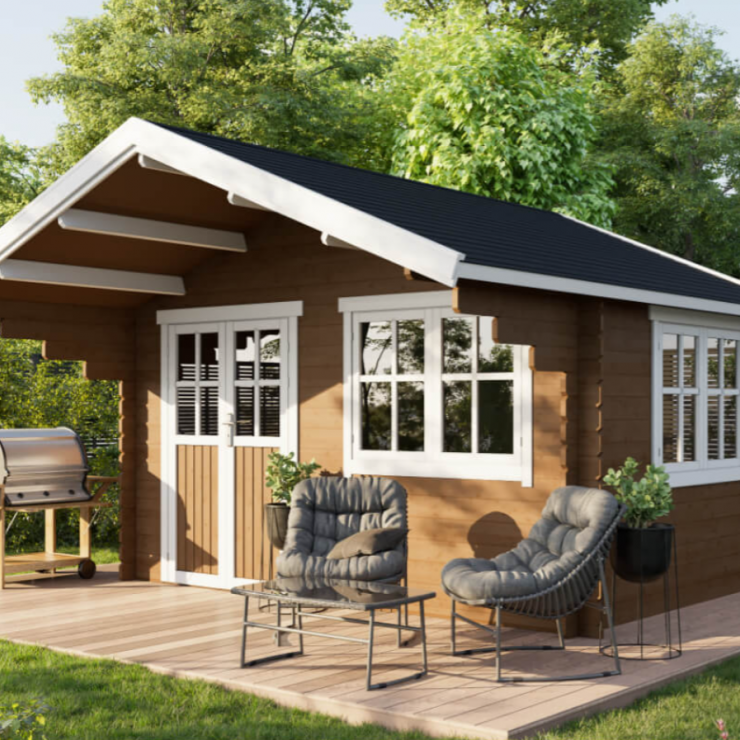
Dreaming of a cozy retreat, a functional home office, or an extra living space without the prohibitive cost and construction hassle? Flat pack cabins in Ireland are rapidly emerging as a brilliant solution. These prefabricated wonders offer a unique blend of affordability, speed of assembly, and design flexibility, making them an attractive option for a wide range of needs across the Emerald Isle. From the rugged beauty of the Wild Atlantic Way to the rolling hills of the midlands, the concept of a swift, cost-effective build is gaining serious traction.
The appeal of flat pack cabins lies in their inherent efficiency. By manufacturing components in a controlled factory environment, companies can achieve greater precision, reduce material waste, and significantly shorten the on-site construction time. This translates directly into cost savings for the consumer, often making them a more budget-friendly alternative to traditional brick-and-mortar extensions or new builds. Furthermore, the modular nature of these structures allows for a surprising degree of customization, enabling individuals to tailor their cabin to specific requirements and aesthetic preferences.
As the demand for flexible and accessible living and working spaces grows, so too does the availability and sophistication of flat pack cabin solutions in Ireland. Whether you envision a rustic garden studio, a modern granny flat, or even a compact holiday home, the market offers diverse styles and sizes to suit almost any scenario. This guide will explore everything you need to know about choosing, installing, and enjoying your own flat pack cabin on Irish soil.
Understanding the Appeal of Flat Pack Cabins
The traditional image of building a home often conjures up images of lengthy project timelines, unexpected cost overruns, and significant disruption. Flat pack cabins offer a refreshing departure from this, providing a streamlined and predictable path to acquiring additional space. The core concept involves pre-cut and pre-fabricated components that are delivered to your site ready for assembly, much like a sophisticated piece of furniture. This inherent modularity is the key to their efficiency and cost-effectiveness.
One of the most significant advantages is the speed at which these structures can be erected. While a traditional build can take months, a well-prepared site can see a flat pack cabin assembled in a matter of days or weeks, depending on its size and complexity. This rapid deployment is particularly attractive for those who need a functional space quickly, whether it’s for expanding a family, setting up a business, or creating a rental income property. The minimized on-site presence also means less disturbance to your existing property and neighbours.
Beyond speed and cost, the environmental benefits are also increasingly recognized. The controlled factory environment leads to less waste compared to on-site construction, and many manufacturers are committed to using sustainable and responsibly sourced materials. This focus on eco-friendliness resonates with a growing number of individuals and families looking to make more environmentally conscious choices in their housing solutions.
Key Considerations Before You Buy
Embarking on the journey of purchasing a flat pack cabin requires careful planning and consideration of several crucial factors. It’s not simply a matter of picking a design and having it delivered; understanding the practicalities will ensure a smooth and successful project. Site suitability, local regulations, and your specific intended use are paramount to a fulfilling outcome.
Firstly, assess your chosen location thoroughly. Is the ground level and stable enough to support the cabin? Will there be adequate access for delivery vehicles and the assembly team? Understanding your site’s topography and soil conditions is vital for determining the necessary foundation, which is a critical component of any structure’s longevity. Speaking with a local surveyor or builder early on can provide invaluable insights and prevent costly surprises down the line.
Secondly, delve into local planning and building regulations. While many smaller garden rooms or sheds might fall under permitted development, any structure intended for human habitation or significant use will likely require planning permission from your local authority. Familiarize yourself with what is permissible in your area, including potential restrictions on size, height, and proximity to boundaries. It’s always better to be proactive and obtain the necessary approvals before committing to a purchase.
Site Preparation and Foundations
The foundation is the bedrock of your flat pack cabin’s stability and durability, and its importance cannot be overstated. The type of foundation required will depend on the size and weight of the cabin, as well as the ground conditions of your site. Common options include concrete slabs, concrete piers, or screw piles, each offering different advantages in terms of cost, installation speed, and suitability for various terrains.
A solid concrete slab provides excellent stability and a level surface, but it is a more involved and potentially costly option. Concrete piers are often a good compromise, offering good support while being less disruptive to install. Screw piles are a particularly fast and eco-friendly option, suitable for uneven ground and minimizing excavation. Consulting with the cabin supplier and a local groundworks specialist is essential to determine the most appropriate foundation for your specific project.
Proper site preparation also includes ensuring clear access for delivery and assembly. This means confirming that large vehicles can reach your site without obstruction and that there is sufficient space for the construction team to work safely and efficiently. Clearing the area of any existing vegetation, debris, or obstacles will significantly speed up the installation process.
Navigating Planning Permission and Regulations
In Ireland, as in many other countries, the requirement for planning permission for structures can be a complex area. Generally, smaller ancillary structures like sheds or garden rooms used for storage or hobbies may not require full planning permission, provided they meet certain size and height restrictions and are located within your property boundaries. However, if your flat pack cabin is intended for habitable use, such as a dwelling, home office with regular client visits, or a guest annex, then planning permission is almost certainly a prerequisite.
The Irish planning system is administered by local authorities, and it is imperative to consult with your specific county or city council’s planning department. They can provide detailed guidance on what constitutes permitted development in your area and what will require a formal planning application. Factors such as the size of the cabin, its intended use, its impact on neighbouring properties, and its visual impact on the landscape will all be taken into consideration during the planning process.
Ignoring planning regulations can lead to significant issues, including retrospective planning applications, fines, or even enforcement notices requiring the structure to be removed. It’s always wise to engage with the planning authorities early in your project, understand their requirements, and submit a complete and accurate application if necessary. Some flat pack cabin suppliers may also offer assistance with this process, guiding you through the necessary documentation and submissions.
Types of Flat Pack Cabins Available
The market for flat pack cabins in Ireland is diverse, catering to a wide spectrum of needs and aesthetic preferences. From minimalist and modern designs to more traditional and rustic styles, there’s a cabin to suit almost any taste and purpose. Understanding the various types can help you narrow down your options and find the perfect fit for your envisioned space.
One of the most popular categories is the garden room or home office. These are typically designed to be compact and stylish, providing a dedicated space for work, hobbies, or relaxation away from the main house. They often feature large windows and modern finishes, creating a bright and inviting atmosphere. Many are insulated, making them comfortable for year-round use, a crucial consideration for those spending significant time in them.
Beyond personal use, flat pack cabins are also being utilized for more substantial purposes. This includes granny flats or annexes, providing independent living quarters for elderly relatives or older children, and even compact holiday homes or glamping pods. These often come in larger sizes and with options for plumbing and electrical connections, allowing them to function as fully self-contained units.
Garden Rooms and Home Offices
For many, a flat pack garden room or home office represents an ideal solution to a common problem: the need for dedicated space without the expense and disruption of a traditional extension. These cabins are designed to be aesthetically pleasing, often blending seamlessly into existing garden landscapes. Their primary function is to provide a tranquil and productive environment for work, study, or creative pursuits.
Key features to look for in a garden room include excellent insulation, which is vital for comfort during the cooler months and for maintaining a stable temperature. Good natural light is also a priority, so many models incorporate large windows, skylights, or even glazed doors. The ease of assembly is another major draw, allowing you to have your new workspace up and running in a remarkably short period.
Real-world examples abound across Ireland, with professionals setting up dedicated offices in their back gardens, artists creating studios, and families enjoying private reading nooks or children’s playrooms. The versatility of these spaces makes them a popular choice for enhancing lifestyle and productivity without major upheaval.
Annexes and Granny Flats
The increasing need for multi-generational living solutions has seen a surge in interest for flat pack annexes and granny flats. These are essentially self-contained living units designed to be situated on an existing property, offering a degree of independence while remaining close to family. They are a more substantial investment than a simple garden room but can provide a cost-effective and quicker alternative to building a full extension or a separate dwelling.
These cabins are typically larger and come with options for integrated kitchens, bathrooms, and sleeping areas. The design focuses on creating a comfortable and functional living space that can accommodate daily life. Many suppliers offer a range of layouts and finishes, allowing for personalization to meet the specific needs of the occupant.
The benefits are manifold: providing a safe and comfortable environment for elderly parents, offering young adult children their own space as they transition to independence, or even generating rental income. The speed of assembly means that these vital living spaces can be created much faster than traditional construction methods, addressing urgent accommodation needs efficiently.
Holiday Homes and Glamping Pods
For those looking to capitalize on Ireland’s burgeoning tourism industry or simply create a personal escape, flat pack holiday homes and glamping pods offer an attractive proposition. These structures are designed for aesthetic appeal, comfort, and often to withstand the elements, making them perfect for rural or scenic locations. They provide a unique accommodation experience that is increasingly sought after by tourists and individuals seeking a break from the norm.
These cabins can range from simple, rustic pods to more elaborate cabins with multiple rooms, verandas, and high-end finishes. The key is their ability to be manufactured off-site and assembled relatively quickly, allowing for rapid deployment in desirable locations. Insulation and weatherproofing are paramount to ensure a comfortable experience for occupants regardless of the season.
Imagine a series of eco-friendly pods nestled in a scenic countryside, offering visitors a unique glamping experience, or a compact, stylish cabin serving as a weekend getaway for its owner. The flat pack model makes these visions achievable with greater speed and often at a lower cost than conventional building methods, opening up new possibilities for property development and personal retreats.
The Assembly Process and What to Expect
The “flat pack” nature of these cabins implies that they arrive in pieces, but the assembly process is generally designed for efficiency and can often be undertaken by a skilled DIY enthusiast or a professional installation team. Understanding the typical steps involved will help you prepare and manage expectations. It’s a process that prioritizes precision and organized construction, a far cry from the sometimes chaotic nature of traditional building sites.
The initial stage involves ensuring your site is perfectly prepared, with the foundation in place and all necessary services (if required) readily available. Once the delivery arrives, the components will be offloaded and organized according to the manufacturer’s instructions. This is followed by the meticulous assembly of the floor, walls, roof, and any internal partitions, all guided by detailed plans.
Finally, the finishing touches are applied, which can include installing windows, doors, insulation, internal cladding, and external finishes. The beauty of the flat pack system is the inherent accuracy of the pre-cut components, ensuring a tight fit and a high-quality end product. While some people choose to undertake assembly themselves, many opt for professional installation to guarantee a perfect build, especially for more complex structures.
DIY Assembly vs. Professional Installation
The decision between assembling your flat pack cabin yourself or hiring professionals is a significant one, with each option presenting its own set of advantages and considerations. For the experienced DIYer with a good understanding of construction and a willingness to invest time, self-assembly can offer substantial cost savings. The flat pack nature of the product is specifically designed to facilitate this, with pre-drilled holes and clear instructions.
However, it’s crucial to be realistic about your skills and time availability. Mistakes during assembly can be costly to rectify and can compromise the integrity and longevity of the structure. If your cabin is intended for habitable use or requires precise fitting for weatherproofing and insulation, professional installation often provides greater peace of mind and a guarantee of quality.
Professional installation teams have the experience, tools, and knowledge to assemble your cabin quickly and efficiently, ensuring that all components are fitted correctly and to a high standard. They are also adept at troubleshooting any unexpected issues that may arise on site. For larger or more complex cabins, or if you have limited construction experience, professional installation is generally the recommended route.
The Benefits of Choosing Flat Pack Cabins in Ireland
The growing popularity of flat pack cabins across Ireland is a testament to the numerous advantages they offer over more traditional building methods. From financial savings to environmental considerations and the sheer speed of project completion, these structures are revolutionizing how we think about acquiring additional space.
The economic argument is often the most compelling. The pre-fabrication process in a controlled factory setting significantly reduces labour costs and material waste, translating into a more affordable purchase price. Furthermore, the streamlined assembly process on-site minimizes disruption and further contributes to cost-effectiveness, especially when compared to the prolonged timelines and potential for unforeseen expenses associated with conventional building.
Beyond the financial incentives, the environmental credentials of flat pack cabins are also a significant draw. Manufacturers are increasingly focused on sustainable materials and minimizing their carbon footprint through efficient production methods. This aligns with a growing global consciousness around eco-friendly living and construction practices, making flat pack cabins a responsible choice for the environmentally aware consumer.
Cost-Effectiveness and Value for Money
In a market where building costs can often be a significant barrier, flat pack cabins offer a compelling proposition for value. The controlled manufacturing environment allows for precise material ordering and minimal waste, directly impacting the bottom line. This pre-fabrication also dramatically reduces on-site labour time, which is a major cost driver in traditional construction. Consequently, the overall price point for a flat pack cabin is often considerably lower than for a comparable structure built conventionally.
The investment in a flat pack cabin provides excellent value, offering a functional and aesthetically pleasing space for a fraction of the cost of extensions or new builds. This makes them accessible to a wider range of budgets, allowing more people to achieve their dreams of a home office, a guest suite, or a holiday retreat. The durability and quality of modern flat pack cabins also ensure a long-lasting and worthwhile investment.
Consider the alternative: extending your existing home could involve months of disruption, significant architect and contractor fees, and a potentially huge bill. A flat pack cabin, on the other hand, can be erected relatively quickly and affordably, providing a high-quality, fit-for-purpose space with minimal hassle. This makes them an exceptionally attractive option for those seeking to maximize their budget without compromising on quality or functionality.
Speed of Installation and Minimal Disruption
One of the most significant advantages of flat pack cabins, particularly in the context of busy modern lives, is the speed at which they can be erected. Unlike traditional building projects that can drag on for months, a flat pack cabin can often be fully assembled in a matter of days or weeks. This rapid deployment is a major draw for individuals and businesses who need additional space quickly and without prolonged disruption.
The pre-fabrication process is key to this speed. Components are manufactured to precise specifications in a factory environment, meaning that on-site assembly is largely a process of putting together pre-made pieces. This minimizes the mess, noise, and general inconvenience that often accompanies traditional construction work, allowing you to get on with enjoying your new space with minimal impact on your daily life or that of your neighbours.
Imagine needing a home office and having it ready within a fortnight, or requiring extra accommodation for visiting family and having it completed before their arrival. The efficiency of the flat pack system makes these scenarios not just possible, but increasingly commonplace across Ireland. This speed and minimal disruption make them an incredibly practical solution for a wide range of needs.
Sustainability and Environmental Benefits
In an era where environmental consciousness is paramount, flat pack cabins are increasingly being recognized for their sustainable advantages. The controlled factory environment where these cabins are manufactured is inherently more efficient than on-site construction. This allows for a greater precision in material usage, significantly reducing waste and the environmental impact associated with discarded materials.
Many manufacturers are also committed to using responsibly sourced and eco-friendly materials in their cabin construction. This can include sustainably harvested timber, recycled insulation, and low-VOC (volatile organic compound) finishes, all contributing to a healthier living environment and a reduced ecological footprint. The localized production of components can also reduce transportation emissions compared to sourcing materials from disparate locations for traditional builds.
Furthermore, the energy efficiency of well-insulated flat pack cabins can lead to lower heating and cooling costs over their lifespan. This not only benefits the homeowner’s utility bills but also contributes to a reduced overall energy consumption, aligning with broader sustainability goals. Choosing a flat pack cabin is, therefore, a decision that can positively impact both your wallet and the planet.
Finding the Right Supplier in Ireland
With the rising popularity of flat pack cabins, the market in Ireland has seen a growth in the number of suppliers. To ensure you get the best product and service, it’s essential to approach your search systematically and conduct thorough research. A good supplier will not only offer quality products but also provide excellent customer support throughout the process.
Start by looking for suppliers who have a strong online presence, showcasing their product range with clear specifications, high-quality images, and transparent pricing. Read customer reviews and testimonials to gauge their reputation for quality, reliability, and customer satisfaction. Don’t hesitate to reach out to potential suppliers with any questions you may have, assessing their responsiveness and helpfulness.
Consider visiting showrooms or display sites if available, as this allows you to see the quality of construction and materials firsthand. A reputable supplier will be happy to provide detailed information about their manufacturing processes, materials used, warranty, and any support they offer for planning permission or installation. Thorough due diligence at this stage will lay the foundation for a successful and satisfying cabin ownership experience.
What to Look for in a Reputable Supplier
When you’re investing in a flat pack cabin, choosing the right supplier is as crucial as selecting the cabin itself. A reputable supplier will offer not only a quality product but also a transparent and supportive experience from initial inquiry through to post-installation. Look for companies that have a proven track record and a solid understanding of the Irish market and its regulations.
A key indicator of a good supplier is their willingness to provide comprehensive information. This includes detailed product specifications, clear pricing, information on materials used, and explanations of their manufacturing process. They should also be upfront about delivery timelines, installation options, and any warranty or guarantee they offer. A supplier who answers your questions promptly and thoroughly instils confidence.
Furthermore, seek out suppliers who have positive customer reviews and testimonials. Online reviews, case studies, or even direct references from previous clients can offer invaluable insights into their reliability, the quality of their cabins, and their customer service. A supplier that prioritizes customer satisfaction is more likely to ensure your project runs smoothly and you end up with a cabin you are truly happy with.
Conclusion: Your Dream Cabin Awaits
Flat pack cabins in Ireland offer a compelling and increasingly popular solution for anyone seeking to expand their living or working space efficiently and affordably. From the charming simplicity of a garden studio to the practical comfort of a granny flat, the versatility and speed of assembly make them an attractive alternative to traditional construction.
By carefully considering your needs, understanding the planning and site preparation requirements, and choosing a reputable supplier, you can embark on a journey to own a beautiful, functional, and sustainable cabin. The Emerald Isle’s landscape, from its vibrant cities to its serene countryside, provides the perfect backdrop for these modern marvels of construction.
Don’t let the dream of extra space remain a distant aspiration. Explore the world of flat pack cabins, and unlock a new dimension of living and working in Ireland. With the right planning and a trusted partner, your ideal cabin is well within reach, ready to enhance your lifestyle and property.
“`