
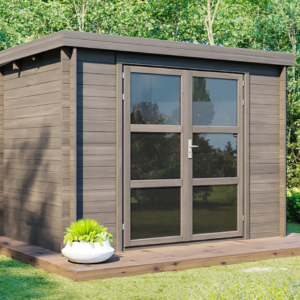
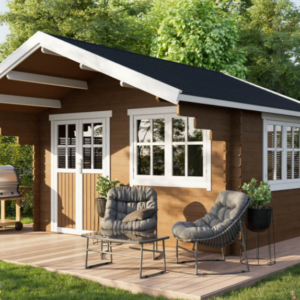
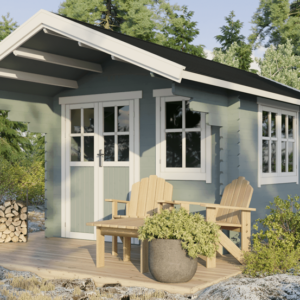
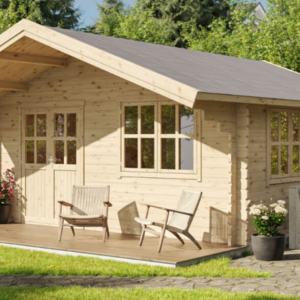
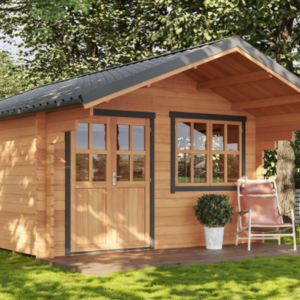
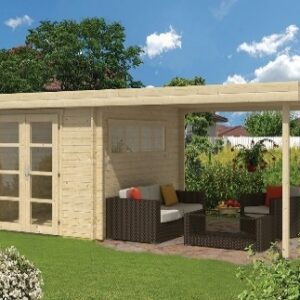
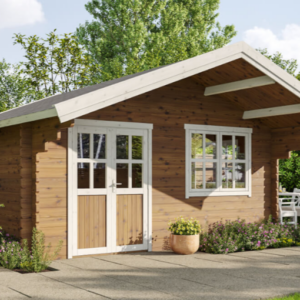
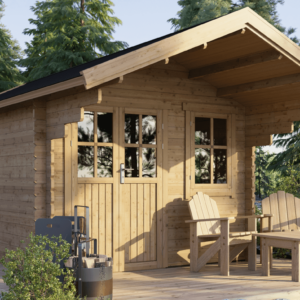
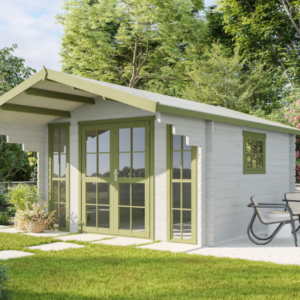
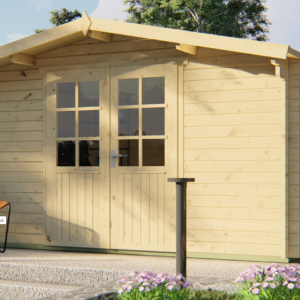
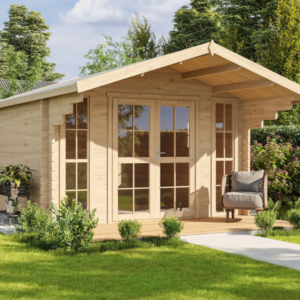
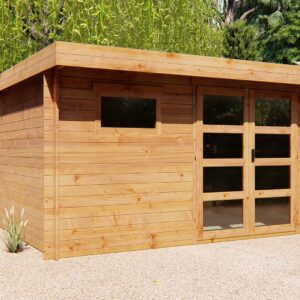
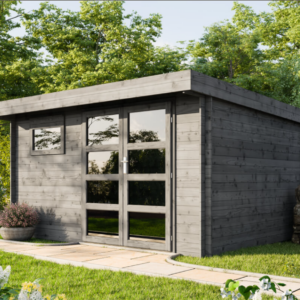
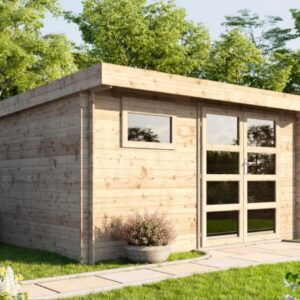
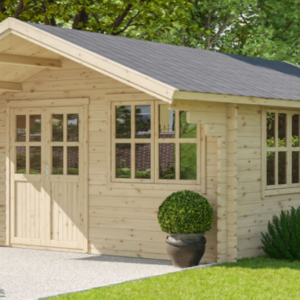
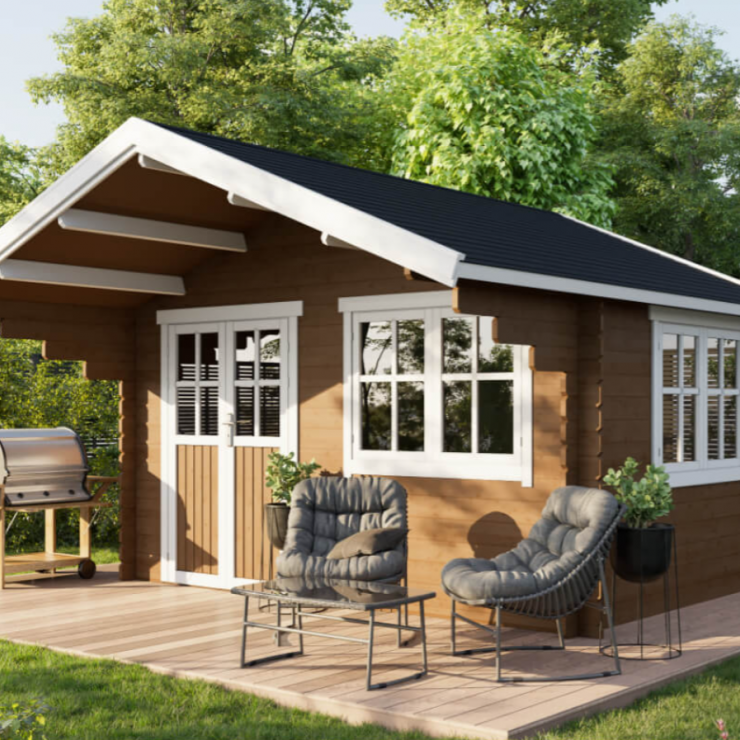
Are you dreaming of escaping the hustle and bustle and finding a tranquil haven in the heart of Ireland? Perhaps you envision a cozy retreat, a charming guesthouse, or a permanent residence with the warmth and character of a log cabin? If so, you’re in the right place. This comprehensive guide will explore the possibilities of log cabins in Ireland, with a specific focus on the picturesque area of Ballybrack. From understanding planning permission and construction costs to choosing the right timber and finding reputable suppliers, we’ll equip you with the knowledge needed to turn your log cabin dream into a reality.
Why Choose a Log Cabin in Ireland, and Specifically Ballybrack?
Log cabins in Ireland offer a unique blend of rustic charm and modern living. The natural beauty of wood creates a warm and inviting atmosphere, making them ideal for both family homes and holiday rentals. Moreover, log cabins can often be constructed more quickly than traditional brick-and-mortar buildings, allowing you to move into your dream home sooner. Ballybrack, a charming village near Dublin, provides the perfect backdrop for your log cabin, offering stunning coastal views, easy access to Dublin, and a strong sense of community.
Ballybrack’s proximity to Dublin means you can enjoy the peace and quiet of rural living while still having the convenience of city amenities within easy reach. The area boasts a vibrant local community, with friendly neighbours, local pubs, and shops. Imagine waking up to the sound of birdsong and the fresh sea air, all while being just a short drive from the cultural attractions and employment opportunities of the capital city. Building a log cabin in Ballybrack provides a unique opportunity to experience the best of both worlds.
Navigating Planning Permission for Your Log Cabin in Ireland
Before you begin any construction project in Ireland, securing planning permission is essential. The process can seem daunting, but understanding the regulations and preparing your application carefully can significantly increase your chances of success. It’s crucial to consult with the local county council (in this case, Dún Laoghaire–Rathdown County Council) and a qualified architect or planning consultant who can guide you through the intricacies of the process. They can provide expert advice specific to the Ballybrack area.
The key factors considered in planning permission applications for log cabins include the building’s size, design, and impact on the surrounding environment. You’ll need to submit detailed plans, including elevation drawings, site maps, and a description of the proposed materials and finishes. Consider how your log cabin will integrate into the existing landscape and avoid designs that are significantly out of character with the local architectural style. Sustainable building practices and energy efficiency measures are also increasingly important to demonstrate in your application.
Essential Steps in the Planning Permission Process
Firstly, consult with a planning professional early in the process. They can advise you on the likelihood of success based on local planning guidelines and any potential challenges. Secondly, prepare a comprehensive application package that includes all required documentation, such as detailed architectural plans and site assessments. Thirdly, submit your application to the Dún Laoghaire–Rathdown County Council, paying the required fees. Finally, be prepared to address any queries or requests for further information from the planning authorities during the assessment period.
Choosing the Right Timber and Construction Methods for Your Log Cabin
The type of timber you choose is critical to the longevity, durability, and aesthetics of your log cabin. Softwoods, such as pine and spruce, are commonly used because they are readily available and more affordable. However, these woods require regular treatment and maintenance to protect against rot and insect damage. Hardwoods, like oak and cedar, are more resistant to the elements but are typically more expensive.
There are several construction methods for log cabins. The most common is the log-on-log method, where logs are stacked horizontally and interlocked at the corners. Another option is the post-and-beam construction, which uses a timber frame with infill walls. Your choice will depend on your budget, desired aesthetic, and the level of insulation you require. Consider the local climate in Ballybrack, which is known for its mild and wet weather, when making your decision.
Understanding Different Timber Types for Log Cabins
Pine: A popular and cost-effective option, pine is readily available and easy to work with. It’s important to treat pine regularly to protect it from moisture and pests. Spruce: Similar to pine in terms of affordability and workability, spruce offers a lighter colour and is often used for internal walls. Cedar: Naturally resistant to rot and insects, cedar is a premium option known for its beautiful grain and aromatic scent. Oak: A hardwood that is exceptionally strong and durable, oak provides a long-lasting and aesthetically pleasing finish but is typically more expensive.
Finding Reputable Log Cabin Suppliers and Builders in Ireland
Selecting a reliable supplier and experienced builder is crucial to the success of your project. Research potential suppliers thoroughly, checking their online reviews, visiting their showrooms (if available), and asking for references. Look for companies that specialize in log cabin construction and have a proven track record of delivering high-quality results. Don’t hesitate to visit completed projects to assess the quality of their workmanship firsthand.
In addition to the supplier, you’ll need to find a qualified builder experienced in log cabin construction. Ask for their qualifications and check their references. Ensure that the builder is familiar with local building regulations and understands the specific challenges associated with log cabin construction. A good builder will work closely with you throughout the process, keeping you informed and addressing any issues that may arise.
Budgeting and Cost Considerations for Your Log Cabin Project
The cost of building a log cabin can vary significantly depending on factors like the size, design, materials, and construction methods. However, it’s essential to create a detailed budget that accounts for all potential expenses, including the cost of the log cabin kit, foundation work, site preparation, professional fees (architect, planning consultant), labour, utilities connections, and any interior finishing work. Obtain quotes from multiple suppliers and builders to compare prices and ensure you are getting a competitive rate.
Beyond the initial construction costs, consider the ongoing expenses associated with owning a log cabin. This includes regular maintenance, such as treating the timber, roof repairs, and general upkeep. Factor in the cost of heating and insulation, as log cabins are typically more energy-efficient than traditional buildings, reducing your long-term energy bills. Finally, remember to allocate a contingency fund to cover unexpected expenses that may arise during the project.
Designing Your Dream Log Cabin in Ballybrack: Inspiration and Ideas
Think about how you intend to use your log cabin. Will it be a family home, a holiday retreat, or a rental property? This will influence the layout, the size, and the design features. Consider incorporating large windows to maximize natural light and take advantage of the stunning views of the Irish coastline. A cozy fireplace, a spacious deck, and a well-designed kitchen are just a few features that can add to the charm and functionality of your cabin.
Explore different design styles and gather inspiration from online resources, magazines, and existing log cabins in Ireland. Consider incorporating local architectural influences to create a cabin that seamlessly blends into the surrounding environment. Use natural materials, such as stone and reclaimed wood, to complement the log cabin aesthetic. Don’t be afraid to add personal touches and create a space that reflects your individual style and preferences.
The Advantages and Disadvantages of Log Cabin Living
Log cabins offer numerous advantages, including their natural beauty, energy efficiency, and quick construction times. They provide a warm and inviting atmosphere, making them ideal for creating a cozy and relaxing living space. Log cabins can also offer a more sustainable building option, particularly if you choose locally sourced timber and incorporate energy-efficient features. The unique aesthetic often provides greater resale value than comparable brick-and-mortar homes.
However, there are also some potential disadvantages to consider. Log cabins require regular maintenance, including treating the timber and addressing any issues related to moisture. You may also need to comply with specific fire safety regulations. Before deciding to build a log cabin, weigh these factors against the numerous benefits and ensure it aligns with your lifestyle and preferences. Regular and proper maintenance minimizes any of the potential disadvantages.
Conclusion: Your Log Cabin Journey Starts Here in Ballybrack
Building a log cabin in Ballybrack is a rewarding endeavor that offers the opportunity to create a unique and beautiful home in a stunning location. By understanding the planning process, choosing the right materials, and selecting reputable suppliers, you can bring your dream of log cabin living to life. Ballybrack’s charm, combined with the warmth of a log cabin, promises an exceptional living experience. So, take the first step, do your research, and begin your journey towards a more relaxed and fulfilling lifestyle in your very own Irish log cabin.
“`
Looking for services in Ballybrack? You may also like: Flower Delivery 24.